


At NRF’s Big Show, executives from Mejuri, Coterie, and Beyond Yoga highlighted the significance of building strong communities to boost brand messaging and create viral moments that stand out in today’s crowded digital landscape.


Google announced that merchants can now provide discounts directly within AI-driven search results, enhancing user shopping experiences through AI integration.


Discover Google's new open standard for agentic commerce, along with innovative AI tools designed to help retailers engage customers effectively and boost sales in a rapidly evolving retail landscape.


Behind the dazzling AI demos and polished presentations at CES, the advertising sector has arrived in Las Vegas with noticeably more subdued questions and less fanfare than in past years, reflecting a period of cautious evaluation rather than bold declarations.

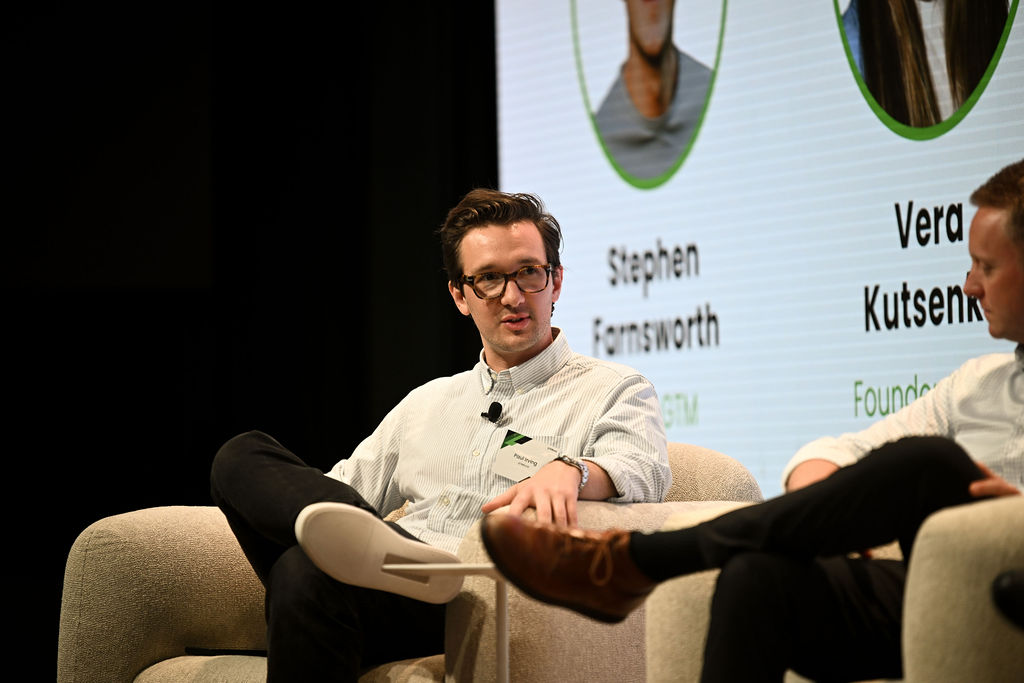
Launching software products is easier than ever, so why do many well-funded startups struggle despite having great products? In the season finale of Build Mode, guest Paul Irving explains that the key problem is an overemphasis on product development at the expense of mastering distribution strategies.

Top brands are winning by focusing on speed and relevance instead of sheer impression counts.

Instacart's Data Hub offers comprehensive insights into first-party grocery shopping behaviors, providing valuable metrics such as customer lifetime value and frequency of repurchases. This new clean room solution aims to empower CPG advertisers with more granular data to optimize their marketing strategies.

The landscape of traditional search is evolving quickly. With AI-powered answers becoming prevalent, brands find themselves more detached from consumers who initiate searches, leading to a noticeable reduction in web traffic sourced from search engines. Marketers are observing this shift, with research from Acquia highlighting that 62% have experienced fewer clicks and decreased web engagement.

The modern Chief Marketing Officer is adapting to new challenges by becoming a revenue-focused strategist who bridges marketing, communications, and financial goals amidst rising pressures from crises, cultural shifts, and cost constraints.


Six years ago, creating campaigns for Fortune 500 companies involved large budgets and lengthy processes. Today, AI tools have accelerated content creation, reducing time and costs dramatically. Brand leaders now face rapid innovation cycles and pressure to adopt AI quickly. However, they must also consider the ethical implications of using AI in marketing and storytelling. Beyond speed and efficiency lies the need for ethical intelligence—balancing technological power with human values and foresight. Leaders are urged to ask three key questions: How does the technology impact the communities it touches? Are we transparent about AI's role in shaping our stories? Are we protecting human dignity over mere data dominance? These questions are essential for maintaining trust, authenticity, and equity in AI-driven brand narratives. Transparent and responsible AI use will define the most forward-thinking brands of the future.
