


Many entrepreneurs overlook the immense potential within their own portfolio. Instead of competing, the businesses you already own can actually support and amplify each other’s growth. This guide reveals a practical approach to turning competition into collaboration, based on real-world experience.


According to Emarketer, Meta is on pace to overtake Google as the largest player in the digital advertising arena by the end of 2026. The research firm estimates that Meta’s global net advertising revenue will hit $243.46 billion this year, narrowly surpassing Google's forecasted $239.54 billion. This milestone would mark a historic shift in the digital advertising market landscape.


American Eagle plans to increase investments in digital channels and influencer partnerships as part of a strategic move to boost conversions during the upcoming back-to-school season. The retailer aims to adapt its marketing approach to respond to recent sales challenges and capitalize on key shopping periods.

The Delhi High Court has determined that Google infringed on trademark rights by permitting rivals to bid on the 'Hindware' brand name as an advertising keyword. This ruling clarified that Google's usual safe-harbor protections do not extend to this practice. The decision challenges the common notion in search advertising that platforms can auction off any term, including protected brand names, without legal consequences.

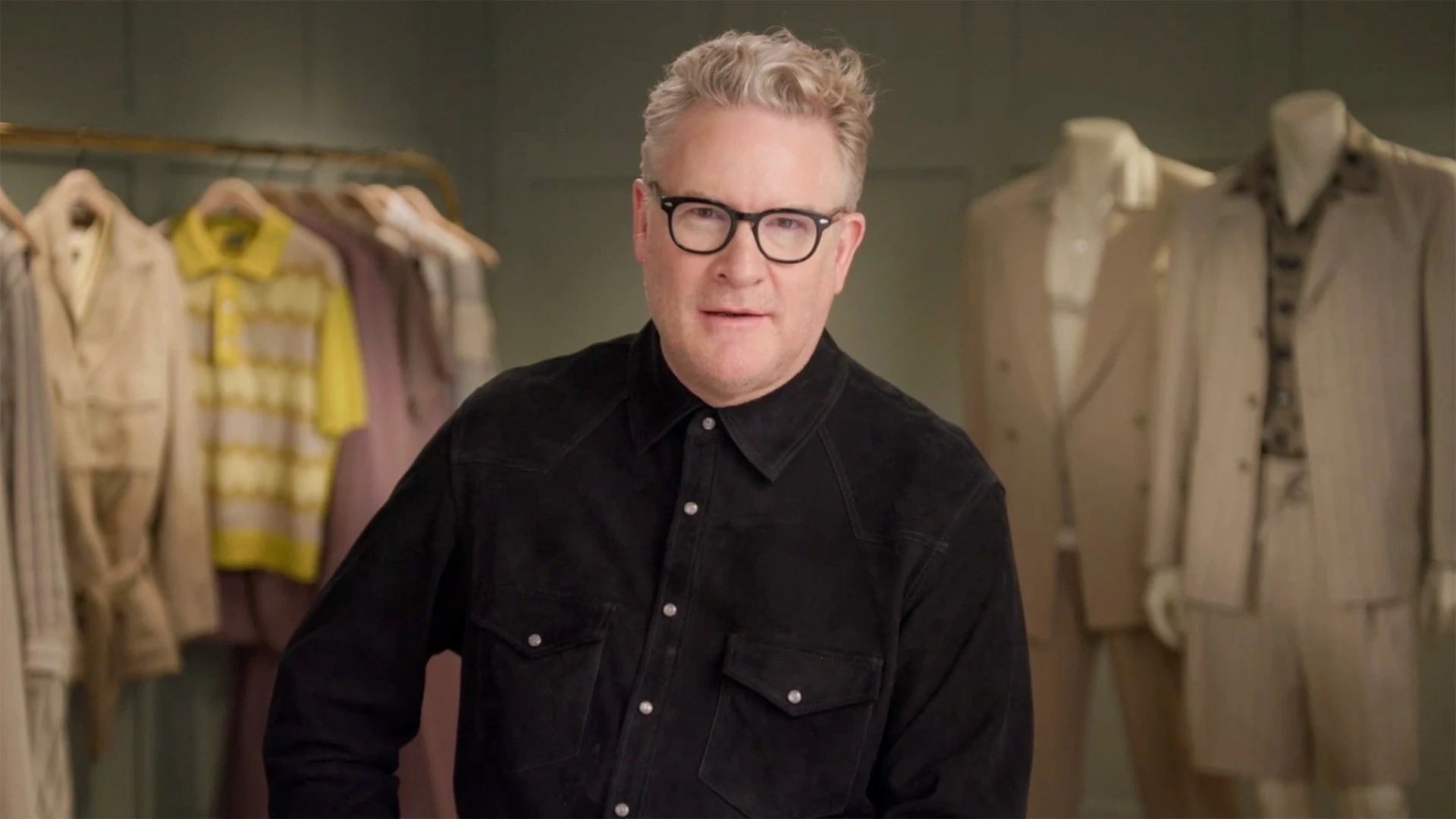
In the latest episode of Inc.'s Your Next Move series, menswear entrepreneur Todd Snyder shares insights on how he expanded his namesake brand from a modest t-shirt side hustle into a flourishing fashion empire.
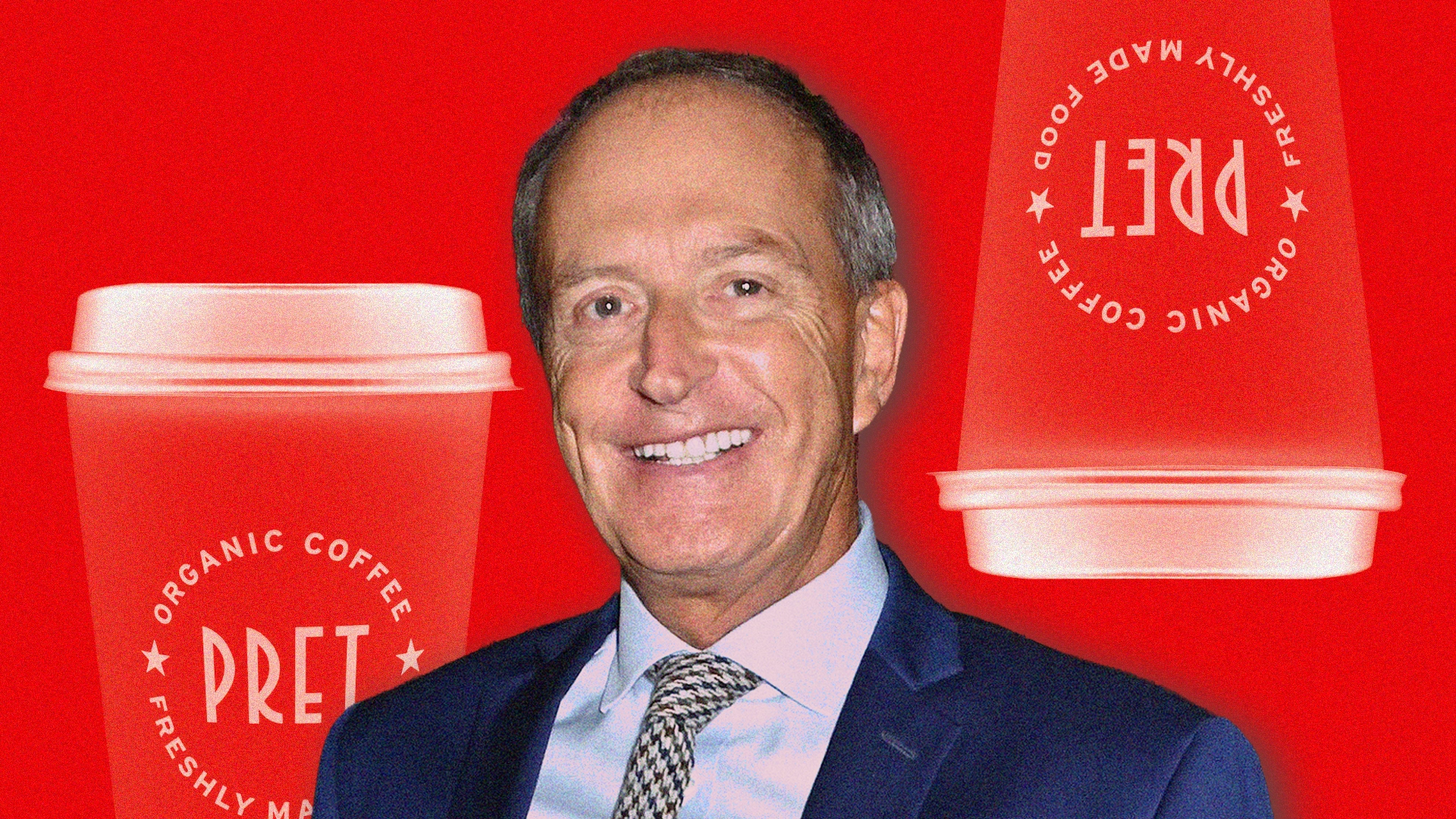
Julian Metcalfe created two internationally recognized food brands by applying four key principles that many entrepreneurs often ignore.

Vlad Stesin, CEO of Optable, discusses the limitations of traditional programmatic advertising, which relies on rapid auctions between buyers and sellers of digital media. Over time, issues such as fragmentation, changes in privacy regulations, and the increasing noise of signal data have weakened the foundations of programmatic advertising, affecting the reliability of related workflows. Instead of collapsing suddenly, this degradation has been gradual, prompting the search for more effective solutions, such as agentic advertising.

Scotts Miracle-Gro is enhancing its marketing approach by leveraging influencers, artificial intelligence, and sports partnerships to remain continuously engaged with gardeners of every generation.


Marketing leaders have always been focused on driving growth and proving marketing’s role as a business driver. The rise of AI hasn’t changed marketing fundamentals like trust and differentiation—it has transformed how buyers discover information by accelerating marketing’s ability to link actions to results. However, traditional metrics such as website traffic and engagement are declining as AI systems summarize and recommend content without clicks. This means CMOs face the challenge of deciding what marketing efforts to keep, drop, or scale for an AI-driven world. "Keep" content that signals authority through deep, data-backed expertise and clear structure. "Drop" content that exists only to game algorithms, such as keyword-stuffed posts or gated assets with information now easily obtained through AI. "Scale" content that emphasizes explainability, provenance, and context, making it trustworthy and easy to cite. The marketers who succeed will be those who thoughtfully discard outdated tactics and focus on clarity and trust in this evolving AI-driven landscape.

Liz Roche, VP of media and measurement at Albertsons Media Collective, shed light on the company's innovative use of AI in advertising during a session at the NewFronts, emphasizing the importance of transparency in retail media.
