Gap Inc. is introducing a creator program available to its corporate, distribution, and store employees. This initiative offers opportunities to contribute across newsletters, social media, branded content, product storytelling, and other platforms, empowering staff to share their unique perspectives and enhance the brand's communication.


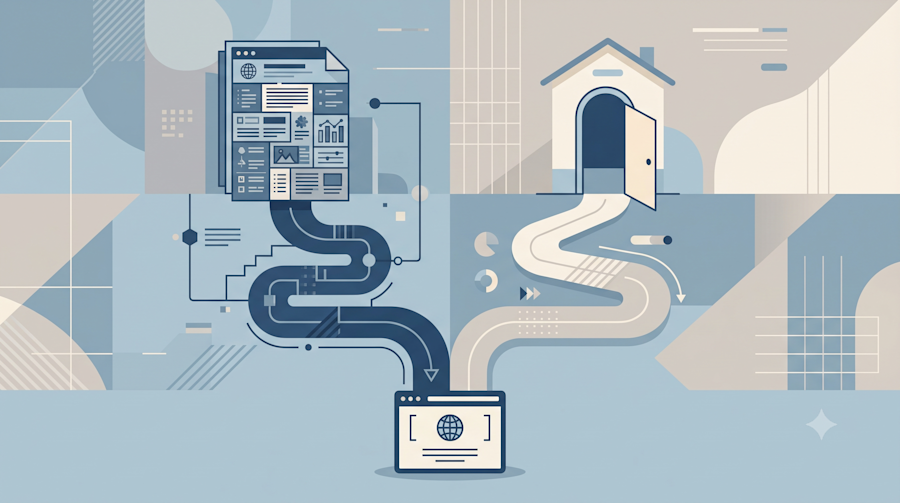
In recent years, the way users interact with the web has shifted dramatically due to AI-powered search summaries. Studies reveal that when AI provides summarized answers, users click on traditional search results only 8% of the time, and links within AI citations receive just about 1% of clicks. This trend has caused significant declines in page views for many publishers, with smaller sites especially hard-hit, some shutting down as a result. However, AI platforms are consuming web content more than ever, using it to generate answers and citing deep, specific pages. The issue is that while detailed articles are referenced by AI, users are mostly directed to brand homepages, changing the traffic flow and impacting revenue models based on clicks of individual content pages. The evolving landscape also features conversational advertising inside AI chats, disrupting traditional search ad auctions, with Google both competing in and disrupting its core search business. Publishers must adapt by structuring deep content to be AI-citable, redesigning homepages for pre-informed visitors, and investing in internal site search which is becoming a key navigation tool. This shift signals the end of the traditional click economy and underscores the importance of being recognized by machines while effectively engaging human visitors.

Michaels revealed initial findings showing that its new AI assistant, powered by Google Gemini, achieves twice the conversion rate of traditional search methods.


Since 2017, Google has assured users that their Gmail content won't be used to target ads. However, with the rise of AI-powered features like Personal Intelligence, Google may soon leverage insights from Gmail and other personal data to personalize ads more deeply. Although currently Google states it does not use Gmail data for advertising, it acknowledges that AI interactions involving email data might influence ad personalization in the future. Personal Intelligence, an opt-in feature available to U.S. users, draws on data from Gmail, Calendar, and Photos to enhance AI-powered search experiences by understanding user preferences, such as shopping habits or travel history. While this creates more tailored AI responses, it also raises concerns about privacy and ad targeting, as Google’s search history and AI interactions could be used for advertising purposes. Experts highlight the value of email data for predicting user intent but urge transparency about how this information is employed. As Google navigates these developments, users should monitor any changes to privacy policies and ad practices related to AI-driven personalization.

As AI makes it easier for businesses to start and grow, the real edge lies in building a unique brand and delivering exceptional customer experiences that set you apart from the competition.
A recent survey by 51toCarbonZero reveals a growing concern among marketers: while the majority acknowledge that AI contributes to higher emissions, only 36% are actively measuring its full environmental footprint.

Marketing faces a pivotal debate: is mass communication to millions still effective, or is it wiser to engage with a smaller, trusted audience of thousands? This question challenges the traditional value of big brand advertising in today's landscape.

Despite significant rises in advertising budgets by Kalshi and Polymarket, online betting represented only 2% of the total ad impressions during the World Cup event.


Alphabet has unveiled an AI-driven marketing framework showcasing impressive results. This 4-step playbook offers valuable insights that any business can adopt to enhance their marketing efforts using AI.

Marketing's influence on business decisions is growing, yet traditional tools to gauge this impact are losing accuracy. Consumer decision-making has evolved, and it's crucial that our methods of measuring marketing effectiveness evolve too. CEOs focusing solely on website traffic numbers could be missing the bigger picture of how marketing drives engagement and conversions in today's landscape.