Whether you operate a medical practice or a law firm, getting recognized by AI search engines hinges on three key strategies. Surprisingly, most businesses fail to implement any of these crucial steps.


Snapchat is expanding its focus on partnerships to better align with client needs, explained Adrian Mulryan, Vice President of Global Agency and Strategic Accounts. By integrating with HubSpot, the app aims to strengthen its lead generation advertising capabilities and offer more tailored solutions for its users.

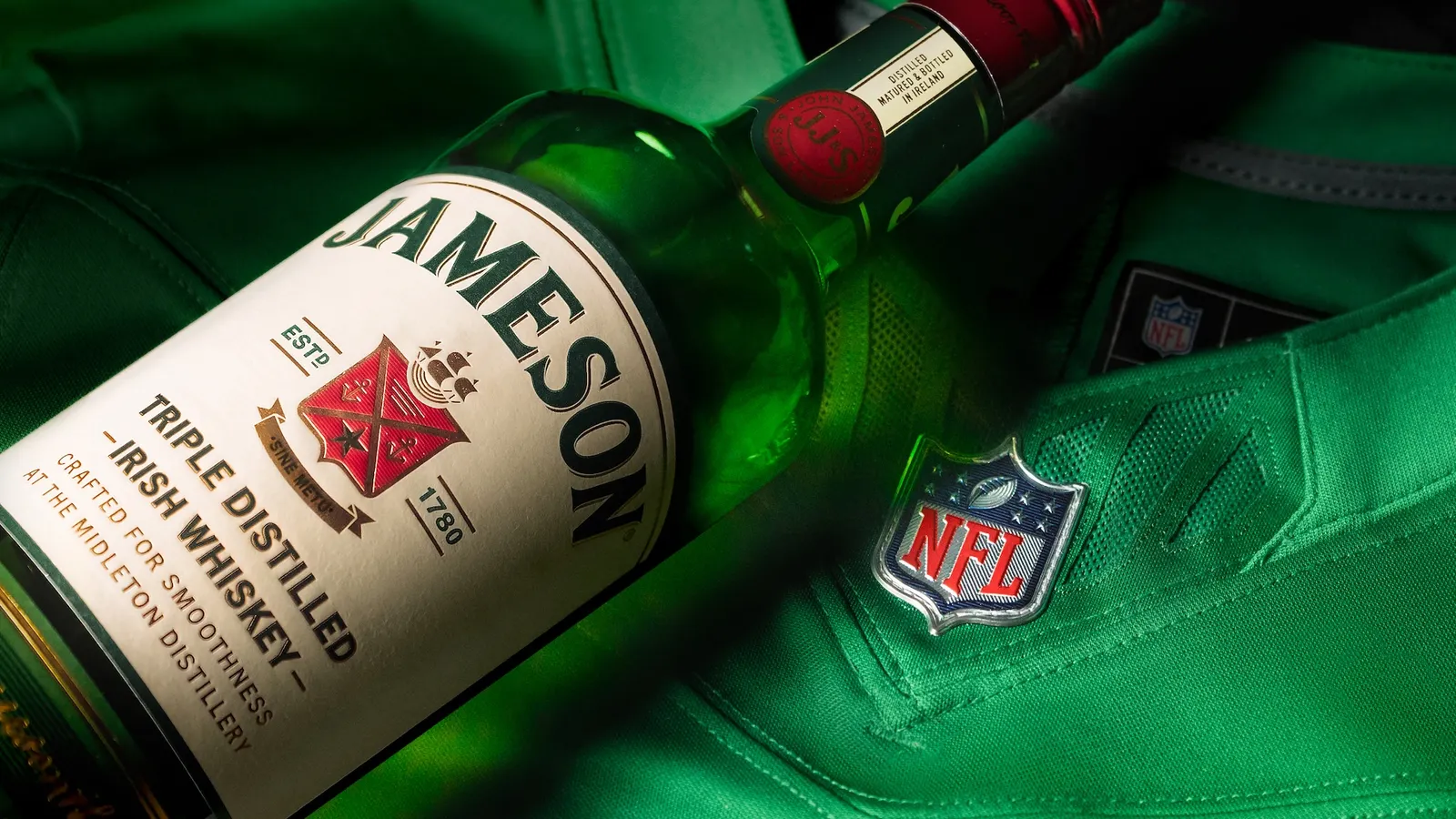
Jameson, a Pernod Ricard brand, has secured exclusive marketing rights as the official spirits sponsor of the NFL. This partnership supports the league's ongoing efforts to expand its presence globally while navigating difficulties in the spirits market.

This week, major advertisers highlighted their media effectiveness initiatives during quarterly earnings calls with analysts and shareholders, signaling a notable shift in how executive leadership views advertising investments.

Brands that engage with multiple sports gain greater unique reach and connect with a more affluent audience compared to those focusing on just one sport.
Brands are evolving the role of creators from merely producing sponsored content to actively participating in the creative process, changing the dynamics of who holds influence over marketing decisions.

Marketing capabilities—comprising the essential skills, processes, and organizational knowledge that drive customer-related initiatives and adaptability—are widely considered crucial for business success. However, the rapid integration of AI technology is reshaping marketing practices, particularly in content creation, customer targeting, and performance measurement, introducing new roles such as managing generative engine optimization (GEO).
For 18 years, The CMO Survey has tracked marketing trends, and its latest 2026 edition, which gathered input from 308 U.S. marketing leaders, reveals troubling insights. Marketing requirements are evolving faster than ever due to AI, yet marketing teams are struggling to build and sustain the necessary capabilities. This disconnect presents a paradox: companies acknowledge the importance of training and hiring to develop marketing skills but are consistently cutting budgets and headcount, undermining their own progress.
Despite recognizing agility as a key success factor, marketing teams excel more at responding to immediate challenges than at investing in the capabilities that would enable smoother, more strategic responses in the future. Seven core obstacles fuel this paradox, including a widening gap between technology adoption and the ability to use it effectively, a strong present-focused mindset that leaves little room for future planning, weak partnerships with CFOs limiting investment, and a persistent preference for building capabilities internally even as resources dwindle.
AI adoption in marketing is rapidly increasing, but organizational readiness lags behind, exacerbating capability deficits. Moreover, marketers often justify capability investments solely by short-term ROI, ignoring their long-term strategic benefits such as competitive differentiation and talent retention. The resulting vicious cycle of underinvestment restricts marketing's ability to prove value, further weakening executive support.
To address these challenges, companies must protect capability investments from short-term budget cuts, reframe them as strategic assets critical to competitive advantage, and reconsider the internal build-only mindset by embracing external partnerships where beneficial.
Ultimately, the marketing capability dilemma reflects a strategic failure to invest in the very strengths that drive lasting business results. In an era defined by AI-driven transformation, overcoming this paradox is essential for maintaining competitive leadership and organizational resilience.

The Interactive Advertising Bureau (IAB) is working to establish a common language and standardized metrics for the advertising industry. This comes as a variety of inconsistent measurement tools flood the market, complicating efforts to accurately assess brand visibility in an AI-driven landscape.


Walmart has completed its acquisition of Vibe.co, a TV advertising company, integrating it into Walmart Connect, the retailer's platform for connected TV advertising. The deal, initially announced in June, aims to strengthen Walmart's presence in the connected TV advertising market.
Ad aversion continues to challenge marketers, but research from Omnicom reveals that delivering higher-quality creative experiences significantly boosts consumers' intent to purchase.