


The Group of Seven (G7) wrapped up a three-day summit in the French Alps, focusing on the future of artificial intelligence (AI) and ongoing geopolitical issues. Key AI figures including OpenAI's Sam Altman, Google DeepMind's Demis Hassabis, and Anthropic's Dario Amodei participated alongside U.S. President Donald Trump and other world leaders. Discussions also covered economic growth and major global conflicts such as the Russia-Ukraine war. Trump is scheduled for a high-profile dinner at the Palace of Versailles before returning to Washington. The summit involved G7 nations and guest countries like Brazil, India, and the UAE.

Nvidia CEO Jensen Huang shared his insights on the accelerating impact of artificial intelligence in a recent interview. He emphasized the need for society to adapt alongside AI, encouraging everyone to engage with the technology to improve lives. Huang highlighted AI's potential to drive faster economic growth and scientific advances, while addressing concerns about job losses and ethical implications. He advocated for balanced government regulations focusing on national security without stifling innovation, and pointed to America’s current energy challenges as a critical factor for AI’s future development. Despite criticism over his close ties with former President Trump, Huang emphasized bipartisan support for advancing AI’s benefits for the country, noting AI’s role in creating jobs and boosting numerous industries. The CEO also reflected on personal moments and compared societal adaptation to AI with how society changed its norms around automobiles to ensure safety.

Financial crises typically develop gradually, with warning signs buried in vast amounts of data that humans often cannot analyze quickly enough. Before the 2008 crisis, issues like rising leverage and slipping underwriting standards were missed signals. Similarly, in 2023, the Silicon Valley Bank collapse revealed how concentrated deposits and eroding confidence can spark rapid financial turmoil. The challenge lies in connecting fragmented data points scattered across balance sheets, regulatory reports, and market signals, which increasingly move faster than traditional monitoring systems can keep up with.
Other industries, such as aviation and public health, use continuous real-time data monitoring to prevent crises. The financial sector generates similar data volumes but has lacked the ability for ongoing, integrated analysis — until now. AI technology can aggregate diverse data sources, detect hidden patterns and anomalies, and provide early warnings about emerging risks. For example, AI might have flagged vulnerabilities in Silicon Valley Bank related to deposit concentrations long before its failure.
Today, regulatory examinations are infrequent and backward-looking, often relying on outdated data. AI does not replace human judgment but equips regulators with real-time insights, allowing them to focus where risks are actually building. Transparent, interpretable AI models foster trust and enable leaders to act decisively. Using AI, institutions and regulators can detect pressure points earlier and intervene before localized issues escalate into systemic crises.
While AI improves safety, it requires human oversight and accountability. Properly implemented, AI transforms supervision from reactive to proactive, making the financial system more resilient and reducing the likelihood of taxpayer-funded bailouts. The next financial meltdown doesn’t have to be inevitable if we leverage AI to connect the dots and stop crises in their tracks.
Sean Kamkar is CTO of Zest AI.


AI has evolved beyond a mere technological hurdle; it now serves as a critical measure of leadership. Success in the modern business landscape depends on leaders who can leverage AI effectively to drive growth and innovation.


At the G7 summit, Anthropic CEO Dario Amodei and Google DeepMind’s Demis Hassabis privately advocated for a US-led coalition focused on establishing global AI regulations and standards. This proposal was confirmed by sources familiar with the discussions who wished to remain anonymous. Notably, Canadian Prime Minister has expressed support for this collaborative effort to guide the future of artificial intelligence internationally.
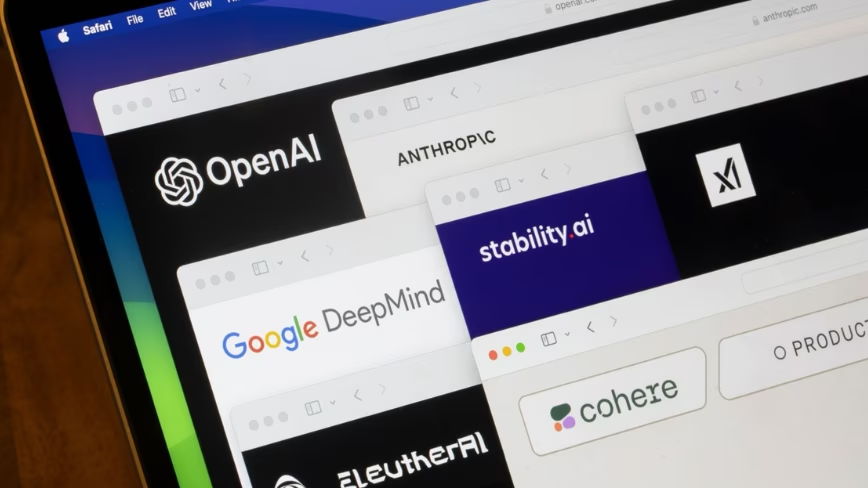

At the recent G7 summit, French President Macron and Indian Prime Minister Modi expressed serious concerns that the United States might abruptly restrict access to American AI technology. Their fears were validated when Anthropic experienced a sudden blackout, highlighting the risks of dependency on U.S.-controlled AI systems.
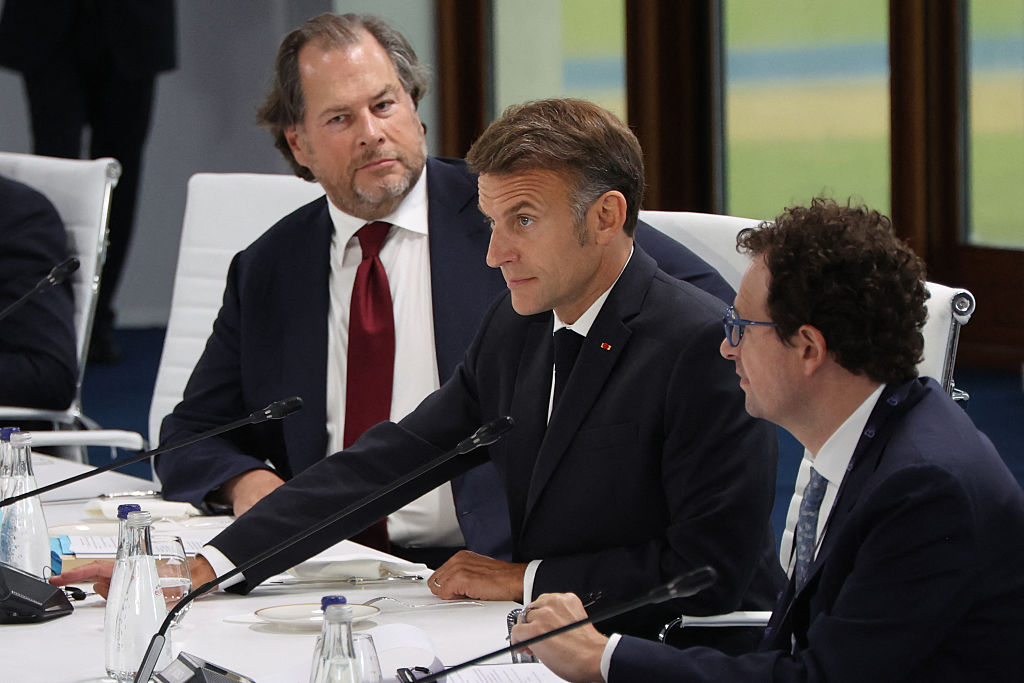
Roelof Botha, former head of Sequoia Capital, has been appointed to SpaceX's board of directors, filling an existing vacancy. This move comes shortly after SpaceX completed the largest IPO in history.


In this episode of the Me, Myself, and AI podcast, Bernard Hampton, head of Bank of America's Academy, discusses the banking giant’s comprehensive strategy to prepare over 200,000 employees for an AI-driven future. Hampton highlights the Academy's focus on blending technical skills with essential human qualities like empathy and judgment to cultivate workforce agility. He explains a three-tiered AI adoption approach tailored to different roles, ensuring employees become proficient in AI while retaining human oversight. Hampton also shares how AI-powered interactive simulations help employees practice real-world scenarios to enhance client service and decision-making skills. The conversation touches on the importance of internal upskilling, thoughtful AI deployment in a regulated industry, and fostering curiosity and continuous learning to stay relevant in a rapidly evolving landscape.

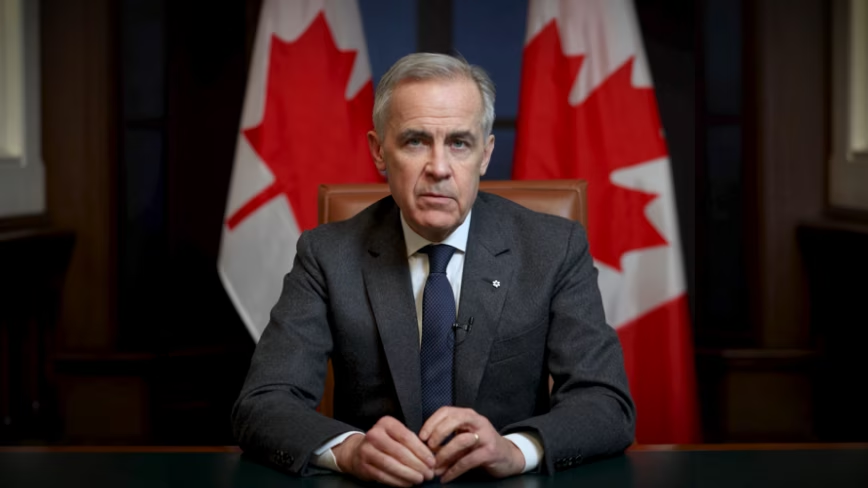
Canadian Prime Minister Mark Carney highlighted the US export ban that led to Anthropic halting Fable 5 and Mythos 5 as a stark example of the perils of over-reliance on a few dominant AI models. During his visit to Ireland, Carney emphasized that this situation serves as a clear warning about systemic risks inherent in concentrating too much power within limited AI technologies.
Finnish quantum computer manufacturer IQM Quantum Computers has added Barbara Venneman, a current Vanguard board member, to its board as it nears the pioneering Nasdaq listing for a European quantum computing firm. Venneman brings extensive investment management expertise from Vanguard, positioning IQM strongly for this major milestone.
