


Anton Osika, a respected CEO, has highlighted that Europe's AI startups aren't facing a shortage of talent but rather a lack of confidence. In a recent post on X, Osika pointed out that many founders believe moving to San Francisco is necessary to build a serious AI company. However, he argues that the true obstacle is the confidence to succeed locally, not the availability of skilled professionals.
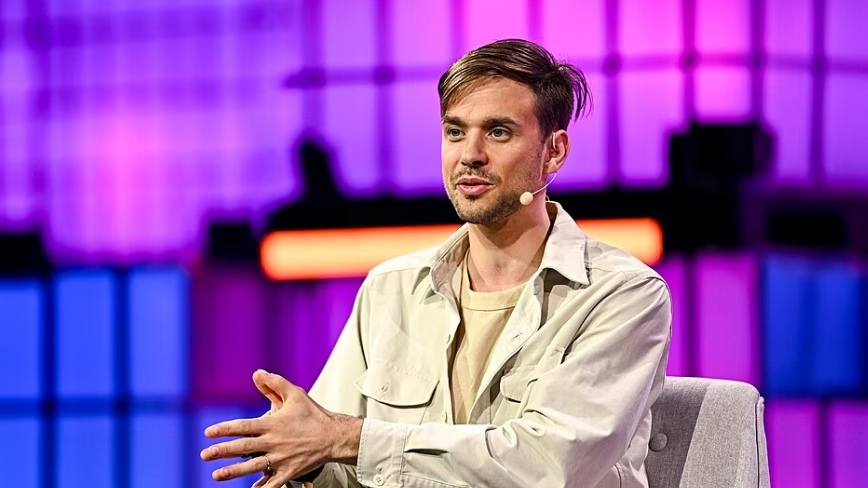

Will Cathcart is transitioning to a new role within Meta, paving the way for Kunal Shah, founder of Indian fintech firm CRED, to step down as CEO and become the new head of WhatsApp. Alongside this leadership shift, Meta has announced a $900 million investment in an Indian startup, signaling a deepened focus on the region's tech ecosystem.

Amazon’s VP of Security, Eric Brandwine, has expressed skepticism about the reliability of human-in-the-loop oversight in AI governance. Speaking to The Register, Brandwine pointed out that humans tend to lose focus and are inconsistent, which undermines the belief that human oversight is the best standard for AI security. This perspective challenges a widely held assumption among companies about the effectiveness of human-in-the-loop systems.
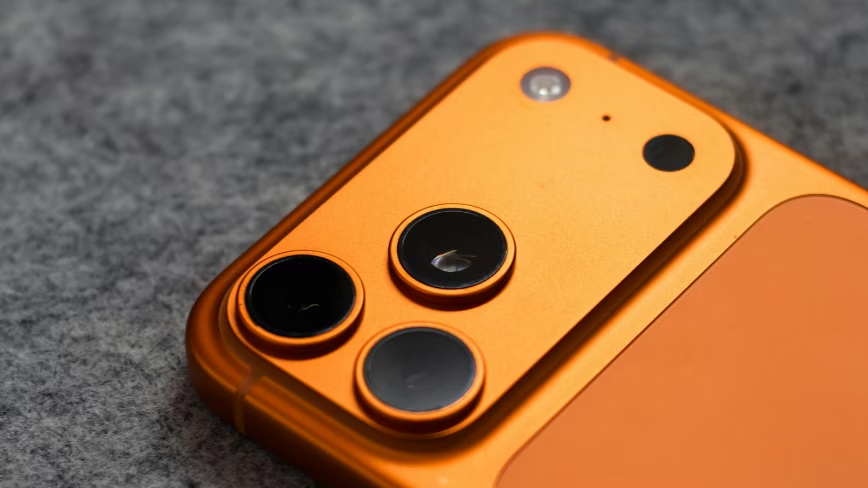
Apple’s once highly influential industrial design studio has seen significant departures, especially of designers from Jony Ive’s era. Reports indicate the team has lost influence and credibility within the company, now functioning more as a service unit rather than a core strategic player. Incoming CEO John Ternus has stated his intention to restore the design team's prominence and influence within Apple.

I’ve designed leadership programs at Amazon, Microsoft, and beyond, and a common misconception is that knowledge only flows downward. Traditionally, senior leaders teach and junior employees learn. But today, some of the most critical knowledge comes from those new to the workforce—especially in AI and digital tools. Younger employees grow up fluent in AI agents, generative processes, and automation, while many senior leaders are still catching up. This creates a unique opportunity where the youngest team members hold vital practical business insights.
Research shows that the majority of senior directors acknowledge the business impact of AI-driven innovations from younger colleagues, and Gen Z employees save significant time using AI for daily tasks. Yet most organizations lack formal methods to harness this advantage. Reverse mentoring programs, like those at Accenture and Target, prove effective when they have structure, goals, and accountability. It’s not just about flipping traditional mentoring but embedding teaching as a core leadership skill across all levels.
Effective programs align mentoring with real skill gaps, create frequent feedback, and measure meaningful impact. Senior leaders must model learning humility, openly appreciating the value of younger employees’ expertise. When done right, this approach not only boosts business agility but also fosters trust, engagement, and leadership growth. The knowledge is in your organization; the key is creating systems to unlock its full potential.


AI can process information quickly, but truly effective decisions require thoughtful reflection and slower, deliberate consideration.


Asmita Dubey, L’Oréal’s Chief Marketing Officer, is focused on maintaining the company's competitive edge amid evolving digital trends like zero-click search and the rapid rise of AI-driven creative content production.

Gone are the days when new CEOs had a generous 'first 100 days' to get acclimated, listen carefully, and build trust before making big decisions. Now, boards expect them to deliver sharp judgment from day one with nearly zero tolerance for uncertainty. Successful CEOs must come fully prepared—knowing the true organizational culture, hidden challenges, and decision-making nuances even before starting. This shift is particularly stark in education and edtech sectors, where AI is rapidly changing strategies and operations. Leaders need targeted pre-arrival briefing to grasp informal power dynamics and industry-specific realities. Waiting to 'learn the ropes' on the job can be a red flag that signals indecisiveness to boards and investors. Top CEOs act immediately, setting culture, clarifying decision pathways, and driving focus. Importantly, AI readiness is no longer optional or a side topic—it’s a core mindset and strategic priority. CEOs who fail to recognize the cautious pace at which educational institutions adopt AI risk losing trust and miscalculating timelines. Today’s executive onboarding is a pre-loaded launch, with no grace period. The clock starts ticking before day one, demanding leaders arrive in motion, clear on their objectives and relationships. Are you truly ready when it begins?

John Jumper, vice president at Google DeepMind and recipient of the 2024 Nobel Prize in Chemistry for his work on AlphaFold, is leaving the company after nearly nine years. Jumper shared on X that he plans to take a break to recharge before joining Anthropic, the maker of Claude. Both Google DeepMind and Anthropic are known for their advancements in artificial intelligence and related technologies.

OpenAI is preparing for its upcoming IPO by bringing in top talent, including Noam Shazeer, co-inventor of the Transformer model from Google DeepMind, and Dean Ball, a former AI policy advisor under the Trump administration, all within the same week.
