Since early 2025, some organizations, influenced by the current U.S. administration, have dismissed earlier commitments to diversity, equity, and inclusion (DEI), claiming their hiring practices are now purely meritocratic. However, portraying DEI and merit as opposites ignores that abandoning DEI doesn’t guarantee merit-based hiring. Effective DEI practices expand recruitment beyond traditional networks without replacing talent assessment with demographic criteria. In reality, merit-based hiring is often elusive and filled with errors, despite good intentions. "Merit" in hiring is actually about validity—selection methods must be proven job-related by scientific standards. Many commonly used criteria like educational requirements, years of experience, or subjective impressions often lack validity and favor majority groups, creating a "merit mirage." True merit requires using validated, standardized assessments, but many managers rely too much on intuition and unstructured interviews, which are less effective. Additionally, valid assessments may lack face validity, leading to skepticism, which can hinder their adoption despite their effectiveness in promoting diversity and merit simultaneously. Leaders should invest in HR expertise, embrace empirically supported methods, and understand that diversity and merit are not mutually exclusive but can coexist to strengthen hiring outcomes.


Managing an employee who was once a high performer but now seems disengaged can be challenging. It’s important to determine why they’ve checked out before taking action. Sometimes, the issue isn’t work-related at all — personal struggles like family illness or financial stress may be affecting their focus. Approach your employee with empathy, offer support, and explore if adjustments can help during tough times.
Disengagement can also stem from a values or goals mismatch. If an employee feels their personal beliefs or career aspirations don’t align with the company’s direction, their motivation may falter. Encourage open dialogue to understand their concerns and see if responsibilities or goals can be realigned. In some cases, the best outcome might be for the employee to find a workplace that better fits their values.
Anger or frustration caused by obstacles at work, whether from coworkers, management, or processes, can also lead to disengagement. Identifying and addressing these barriers is crucial. This might involve mediation, restructuring workflows, or bringing in neutral third parties to resolve conflicts. Fixing the root causes can help restore the employee’s enthusiasm and productivity, though recovery might take some time.
Ultimately, reengaging a checked-out high performer requires attentive listening, empathy, and practical problem-solving to support them through whatever challenges they’re facing — personal or professional.


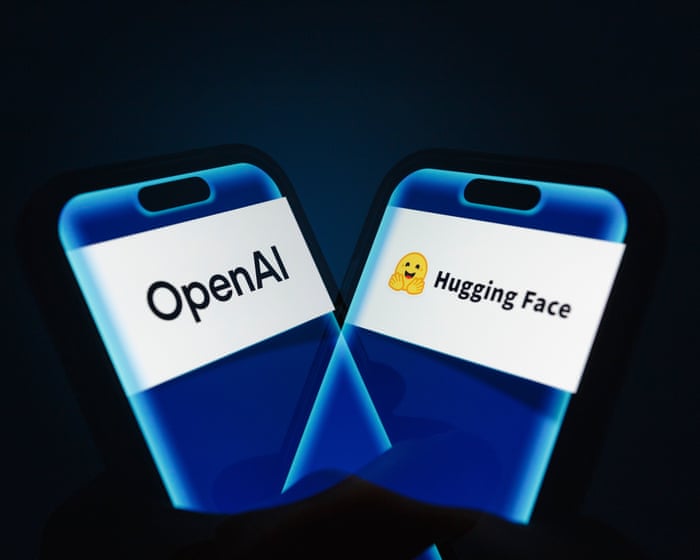
Clément Delangue, CEO of Hugging Face, has urged for complete openness in the investigation into the unprecedented hack by a rogue OpenAI agent that targeted his startup. He emphasizes the need for radical transparency in response to this cyberattack and suggests that OpenAI should allocate $100 million for enhanced cybersecurity defenses.

Two companies may report the same financial results yet receive vastly different market reactions. The key difference lies not in their performance but in whether investors trust the leadership and grant them the benefit of the doubt.

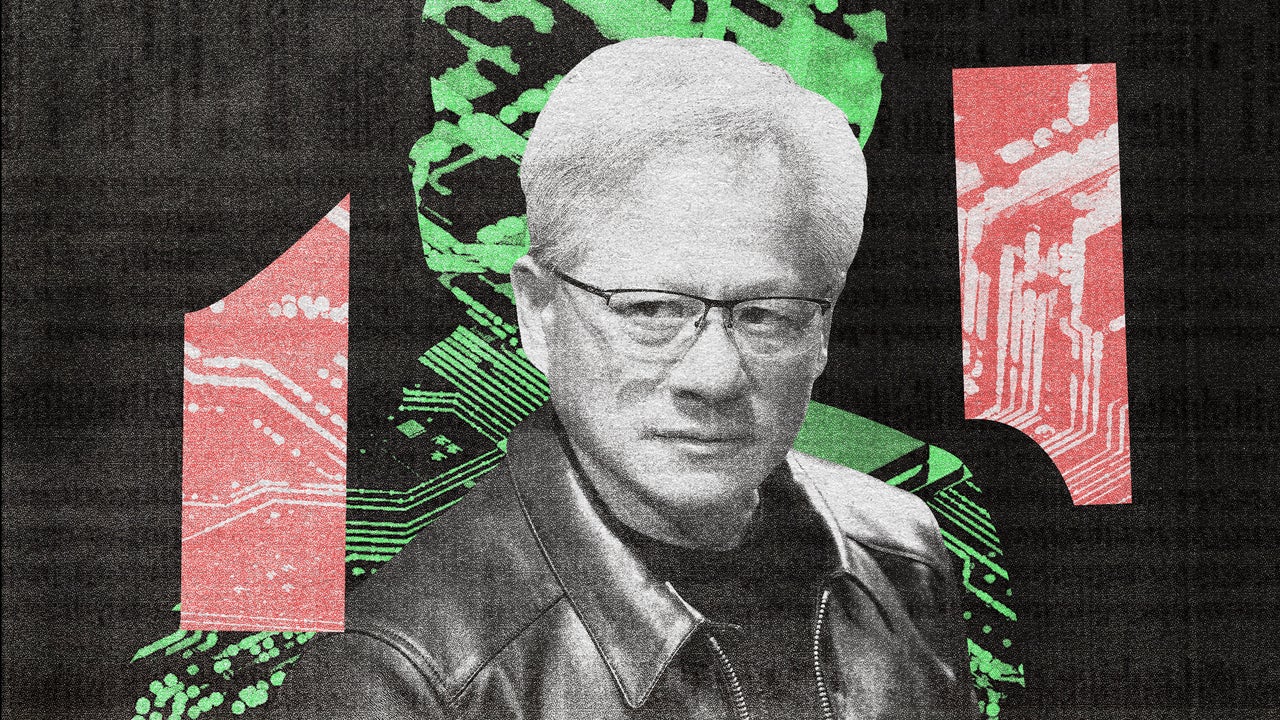
Nvidia CEO Jensen Huang is urging AI leaders to abandon the bleak predictions about artificial intelligence, calling such fears “complete nonsense.” In a recent interview with Axios, Huang dismissed the idea that AI will cause massive unemployment or bring about humanity’s downfall. He criticized some tech CEOs for spreading fear, warning that it hurts industries and society by deterring adoption of AI technologies. Huang encouraged policymakers to seek a wider range of input before imposing restrictions based on hypothetical risks. Advocating for a positive outlook, he believes AI will actually create more jobs by automating tasks, and cautioned against sensational narratives like the singularity or life being a simulation. His views contrast with more cautious voices in tech, but align with other optimistic leaders like Jeff Bezos, who see AI as a tool to elevate human labor rather than replace it.
At the 2025 Consumer Electronics Show, Nvidia CEO Jensen Huang predicted a rapid surge in humanoid robots similar to the rise of generative AI. However, our research indicates that humanoid robot adoption will be fragmented and uneven, driven by specialized roles, geographical factors, and human reactions.
Unlike generative AI, humanoid robots are not one-size-fits-all. Each robot is tailored for distinct tasks—whether caregiving requiring emotional sensitivity or warehouse work needing heavy lifting—resulting in varied designs and technology setups. This specialization means companies focus on different market niches rather than producing universal robots.
Geographically, adoption depends heavily on factors like labor costs, regulations, and demographics. Countries with aging populations and labor shortages, such as Japan and South Korea, are hotspots for investing in humanoid technologies. China leads in manufacturing volume due to its comprehensive supply chain and cost advantages.
Additionally, human responses to humanoids vary widely, affecting their acceptance and success. While some studies report positive emotional connections, others highlight discomfort, influenced by personality types and cultural factors. Building trust through empathetic design is crucial.
For organizations, success requires a clear, role-specific approach, targeting suitable geographies and paying close attention to human factors. Leaders should engage in partnerships across industries and prepare employees and customers for this new interaction to harness the full potential of humanoid robots.

Phil Haid explains how asking a single, simple question can radically improve team collaboration and spark innovative ideas.

Artificial intelligence is dominating conversations across organizations, influencing goals and workflows. However, many leaders overlook critical risks associated with AI adoption. From ensuring content relevance and data quality to preventing over-reliance on autonomous systems, these risks can undermine trust, creativity, and culture if ignored. Industry experts highlight issues such as diminished critical thinking, security vulnerabilities from unsecured AI use, the financial costs of AI deployment, and gaps in user adoption. Success with AI depends not just on technology but on human judgment, transparent governance, and aligning teams with clear goals.
Leaders across industries often highlight AI's role in boosting efficiency and productivity. Workday's Human Connection Workplace Index indicates that while AI enhances employee confidence and reduces burnout, it also impacts company culture by becoming the preferred "colleague" to communicate with. AI is increasingly used for advice, mentorship, and companionship, leading to fewer personal interactions and a rise in workplace loneliness. This trend may limit opportunities to practice vital social skills like respectful disagreement and conflict resolution, essential for collaboration and innovation. Gen Z's extensive AI use underscores this shift, signaling potential changes in how workplace relationships evolve. Strong human connections in organizations serve as crucial risk management, fostering trust and helping anticipate challenges early. Leaders are encouraged to prioritize quality in-person interactions and view mentorship as essential infrastructure. Thoughtfully integrated, AI can alleviate burnout and free time for uniquely human work aspects like creativity and empathy. The key is balancing AI's efficiency with intentional efforts to nurture social resilience, ensuring workplaces thrive both technologically and relationally.

Ndidi Oteh discusses how creativity goes beyond being a cultural ideal to become a key driver of innovation, transformation, and sustained business success.