AI and product management are converging in two key ways, presenting new opportunities and challenges for companies. To stay competitive, businesses must integrate expertise in both areas effectively.


Waymo, Alphabet’s self-driving car division, faces unique challenges where AI performance directly impacts safety on the streets. Their approach to AI development prioritizes continuous and comprehensive evaluation over simply achieving strong model results. Manasi Joshi, Waymo’s director of engineering, shared insights on this at VB Transform 2026, highlighting their strategy of “eval-centric development.”
This means that a project’s readiness is judged by the maturity of its evaluations, not just the model’s output. Waymo conducts ongoing assessments during and after model training, combining real-world driving data with extensive simulations to ensure safety and effectiveness. Evaluations continue post-launch to adapt to evolving conditions and maintain high standards linked directly to key business outcomes.
Safety remains paramount, with detailed attention to rare and hazardous scenarios like construction zones and vulnerable road users. Human oversight remains crucial; automated systems do not make release decisions alone. Efficiency in computing resources is balanced carefully against reliability to meet growing demands without sacrificing quality.
Internally, AI agents assist engineering teams, and these agents themselves undergo rigorous testing to confirm accuracy and trustworthiness. Joshi emphasized that successful deployment of agentic AI depends on clear objectives, representative data, continuous evaluation, scalable infrastructure, and accountable human leadership to build and maintain trust.
Summary:
Waymo sets an industry benchmark by embedding continuous, rigorous evaluation into AI development, focusing on safety and trustworthiness beyond mere model performance. Their approach offers valuable lessons for enterprises deploying AI, emphasizing ongoing testing, human oversight, and linking evaluations to real-world outcomes.
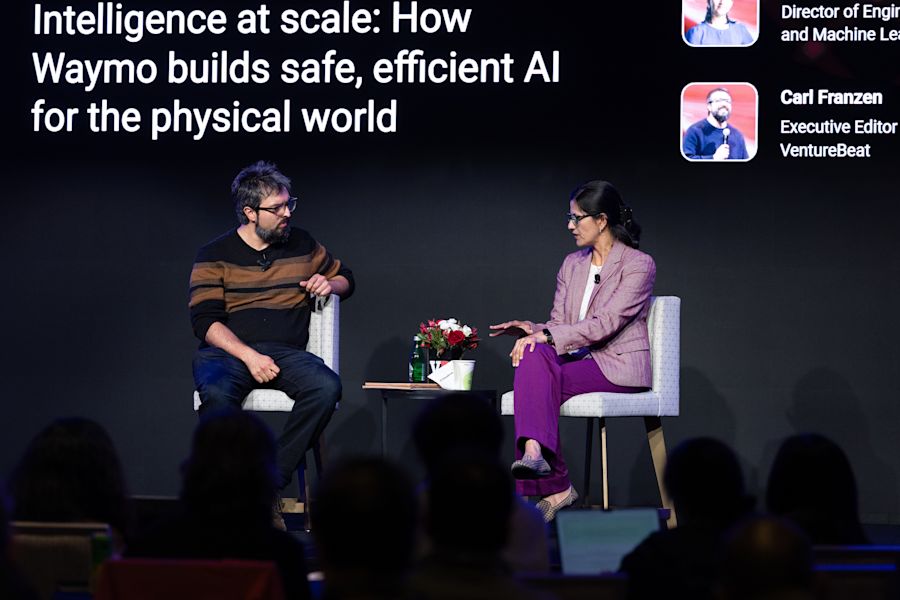
Siobhán Mc Feeney, Target's Senior Vice President, highlights that the true competitive advantage in AI comes not from the models themselves, but from the robust frameworks and systems built around them. At VB Transform 2026, she explained that while AI models are crucial, they aren't sufficient alone to deliver value. Target carefully evaluates whether an AI agent is needed, what kind of agent to deploy, and ensures each agent earns its autonomy gradually. These agents are deeply integrated into Target’s infrastructure, enhancing supply chain efficiency, demand forecasting, and product availability.
Mc Feeney detailed how their approach involves comprehensive governance layers, continuous monitoring, and evaluation of AI agents’ performance and autonomy. This systematic architecture enables scalability and cost-efficient use of frontier AI models suited for complex tasks. Agents operate within clearly defined guardrails and can lose their autonomy if they underperform, ensuring transparency and reliability.
The process also requires a cultural shift where builders and engineers adapt to managing AI alongside human workers, developing new skills to maintain accountability as AI adoption accelerates. This layered approach to AI adoption exemplifies how Target maximizes value in its AI initiatives by focusing on the entire ecosystem around the models, not just the models themselves.
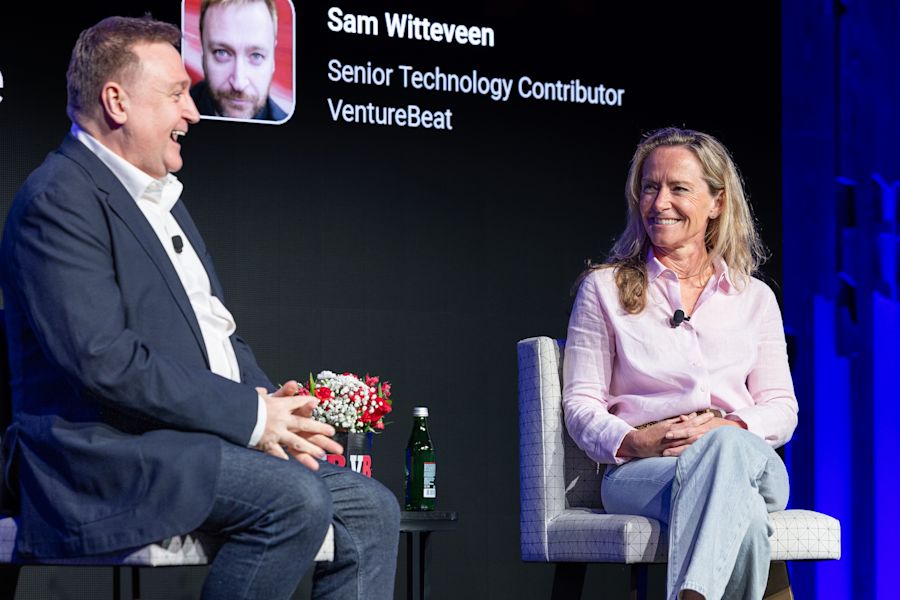

Experts from IAS and Rent the Runway discuss how artificial intelligence is reshaping research and development within organizations. Their insights highlight the significant role AI plays in accelerating innovation and improving R&D processes.

The next generation of leaders might not be the ones actively pursuing traditional promotions.


Over recent decades, growing attention has been given to how organizations and leaders can help employees cope with trauma, particularly childhood adversity known as adverse childhood experiences (ACEs). Approximately 60% of adults worldwide have faced at least one ACE, and these experiences profoundly influence employees’ sense of self, behaviors, and workplace relationships, often to their detriment. ACEs include various early-life challenges such as abuse, neglect, family dysfunction, and economic hardship, which cause lasting psychological and physiological impacts that affect adult functioning.
Trauma from ACEs can manifest as low self-worth, emotional distress, and challenges in job performance and relationships. However, neuroscience indicates that the adult brain remains adaptable through neuroplasticity, meaning workplace experiences can play a pivotal role in recovery. Supportive, stable, and predictable work environments that foster emotional regulation, autonomy, and positive social interactions promote neuroplastic changes that help trauma survivors develop healthier responses and build resilience.
Healthy workplaces offer safe and respectful climates, encourage employee agency, and provide empathetic leadership that helps employees manage anxiety, build self-esteem, and regain control. Such environments reduce defensive reactions, support healthy boundaries, and motivate personal growth. Leaders can cultivate these cultures by modeling respectful behavior, appreciating contributions, encouraging feedback, and offering strengths-based development. Simple, consistent micro-behaviors in daily interactions have powerful effects in healing trauma’s long-term effects and enhancing overall employee well-being.

The focus in hiring executives is shifting from past achievements to future potential, driven by advancements in AI technology.


Leaders of the Federation of State Medical Boards share their perspectives on the emerging issue of whether artificial intelligence should be licensed to practice medicine. They explore the implications and challenges involved in governing AI within medical practice.


Anthropic has appointed Mariano-Florentino Cuellar as its first chief global affairs officer, a strategic hire during a period of strained relations with the US government. Reporting directly to Anthropic president Daniela Amodei, Cuellar will operate out of the company's San Francisco headquarters. His role will focus on navigating the complex geopolitical landscape affecting the AI industry.

Knowing the right moment to step down is an essential aspect of strong leadership.