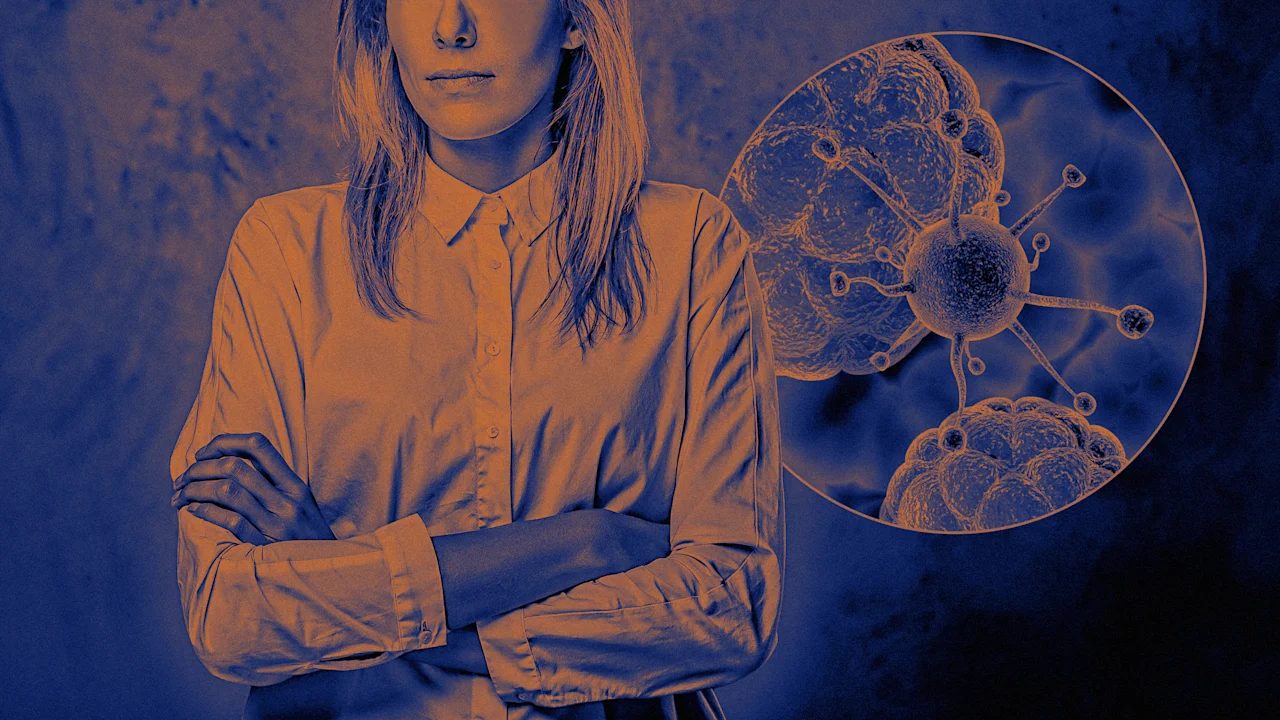
On my last day at my previous job, I couldn’t bring myself to go in. For months, I had been using sick days without fully understanding why—I was 25, working in product management at a tech company, while secretly struggling with a health crisis. After multiple ER visits and specialist consultations, I was diagnosed with an autoimmune disease, which affects millions, with women making up 80% of those diagnosed.
While caregiving and workplace bias are recognized obstacles for women, chronic illness like autoimmune disease is often overlooked, despite being a significant factor. This invisible 'autoimmune career ceiling' forces many women to make tough private decisions—turning down promotions, avoiding travel, or staying in less demanding roles to manage their health. A national survey of U.S. women with autoimmune conditions revealed 70% feel their career potential was limited, with many reducing hours or staying in jobs solely for health insurance.
Because symptoms such as fatigue and brain fog are invisible at work, many women don’t disclose their diagnosis for fear of judgment or being passed over. Employers can help by offering flexibility, remote work options, and creating safe environments for disclosure. Providing care that addresses root causes, not just symptoms, benefits both employees and organizations.
This story is not unique—many women are silently adapting their careers to conditions unseen by colleagues. Recognizing and addressing this invisible barrier is essential to change the workplace for the better.

A fabricated disease attributed to blue light exposure was mistakenly accepted as genuine by artificial intelligence systems and subsequently cited in medical journals. Experts reveal the incident highlights vulnerabilities in current AI models and stresses the need for improved validation processes in medical research.

The promise of AI in drug discovery is substantial but often exaggerated. For example, at Novartis, researchers are using generative AI to design millions of compounds targeting Huntington's disease. Despite these advances, significant diseases like Alzheimer's remain without effective cures, illustrating that technological breakthroughs alone haven't solved the most pressing health challenges. Meanwhile, caution is advised as even health chatbots have shown risks, reinforcing the complexity of medical innovation.

Entrepreneurship is often glamorized as a journey of autonomy and success, but behind the scenes, it frequently involves anxiety, uncertainty, and sleepless nights. Having built AI-driven mental health products that serve millions, I've observed patterns of stress in business leaders akin to individual burnout. Small business owners juggle many roles, leading to perfectionism, loneliness, and self-doubt, which can harm both their wellbeing and their business decisions. True resilience comes from setting boundaries, systematizing critical choices to avoid burnout, and leveraging smart technology to reduce mental load. Embracing these practices can foster clearer thinking, steadier teams, and sustainable growth without compromising health. Mental health support at scale revealed that thriving in entrepreneurship requires designing for human limits and normalizing seeking support early. Calmer, supported leaders make better decisions that benefit their businesses and communities.

Artificial intelligence is swiftly advancing to autonomously design and execute biological experiments, dramatically changing the landscape of laboratory research. In 2026, OpenAI and Ginkgo Bioworks demonstrated how OpenAI’s GPT-5 model independently conducted 36,000 experiments through a robotic cloud lab, reducing protein production costs by 40%. This approach, termed programmable biology, uses AI to design and rapidly test thousands of biological variations, accelerating discovery much faster than traditional methods. However, this technological leap also raises serious safety concerns. AI tools can be misused to engineer viruses or other harmful biological agents, highlighting a gap between rapidly evolving capabilities and outdated safety regulations. Current oversight is insufficient to address risks like AI-assisted bioweapons development. As cloud labs and robotic automation become cheaper and more accessible, there is an urgent need for modernized biosecurity frameworks and coordinated policy measures. Voluntary safety measures by some AI companies exist but may not keep pace with the technology's growth, leaving potential vulnerabilities unchecked. An effective balance is essential to harness AI’s benefits in biological research while preventing misuse and protecting public health.

Amazon introduces a cutting-edge AI platform designed to accelerate and streamline the drug discovery process, aiming for greater efficiency and sustainability.


In this STAT Health Tech issue, hospitals are unveiling their own chatbots as a response to ChatGPT's popularity. Additionally, the Medicare ACCESS pilot program is underway, aiming to improve care accessibility. Meanwhile, Utah advances its pioneering 'AI doctor' project, pushing the boundaries of artificial intelligence in healthcare.


Ireland is set to boost innovation with a €17 million investment in state-of-the-art facilities. These centers will support projects spanning advanced materials, semiconductors, chip technologies, high-speed communications, medical devices, geoengineering, as well as AI and high-performance computing, driving progress across multiple tech sectors.

Google.org, in collaboration with the Johnson & Johnson Foundation, is launching a $10 million initiative aimed at equipping rural healthcare workers in the U.S. with AI training. This program will provide grants to rural health clinics, enabling them to adopt AI tools that streamline operations and enhance the efficiency of healthcare delivery.

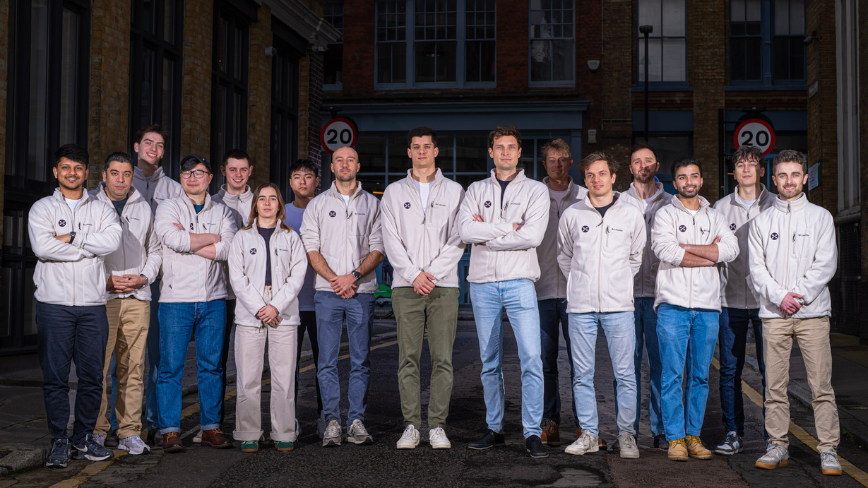
Helical, a pharmaceutical AI startup founded by three childhood friends from Luxembourg and based in London, has successfully raised $10 million in a seed funding round. The company is actively collaborating with several top-20 global pharmaceutical firms, including a public partnership with Pfizer. The funding round was led by redalpine, with notable angel investors including the CEOs of Cohere and HuggingFace. Helical aims to transform bio foundation models into practical systems for the pharma industry.