Anthropic has acquired the stealth biotech AI company Coefficient Bio in a stock transaction valued at $400 million, as reported by The Information and Eric Newcomer.
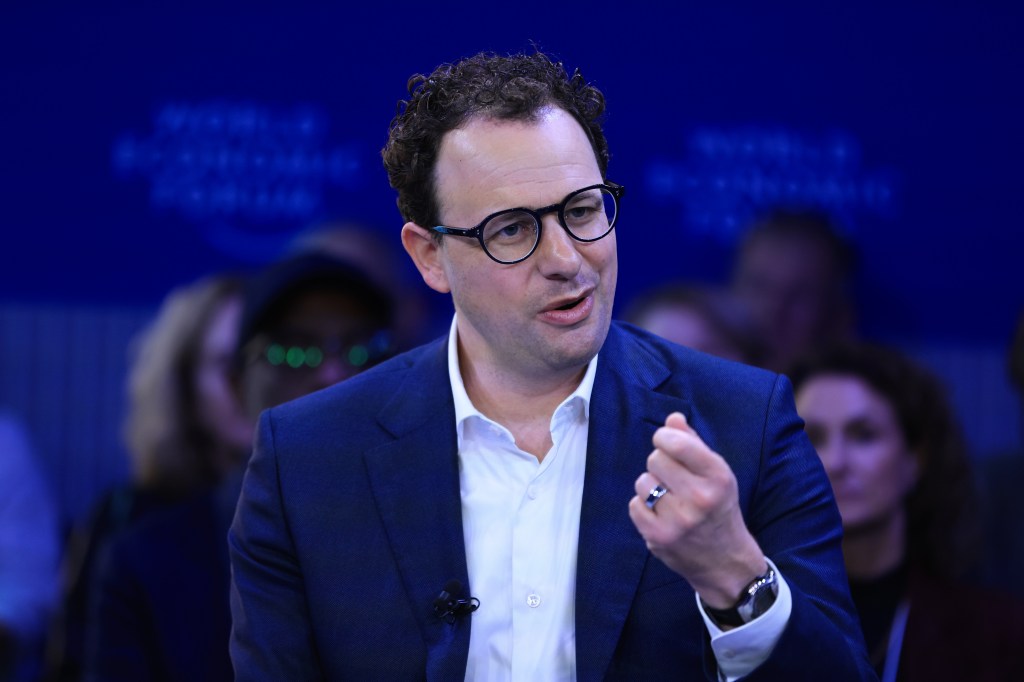
OpenAI has restructured its executive team, assigning COO Brad Lightcap to oversee special projects within the company. Meanwhile, CMO Kate Rouch will be temporarily stepping away to focus on her cancer recovery, with plans to return once she is able.

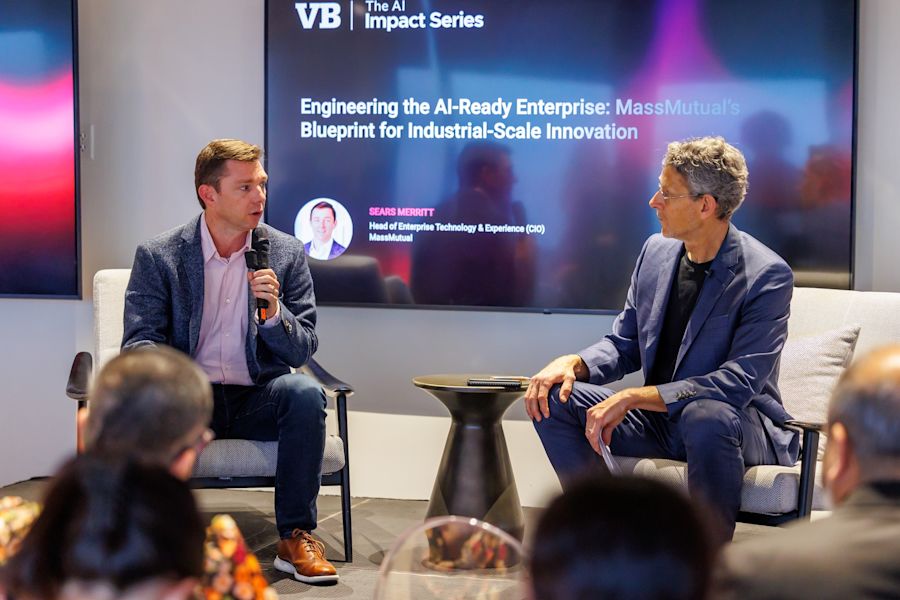
Large-scale AI initiatives often struggle not due to flawed concepts but because they linger in pilot phases without clear governance, stalling progress to production. Leaders from MassMutual and Mass General Brigham shared insights on moving beyond this challenge through structured approaches and disciplined execution.
MassMutual reported tangible gains like a 30% boost in developer productivity, faster IT help desk resolutions, and drastically shorter customer service calls. Their approach centers on defining clear success metrics and rigorous feedback loops, ensuring every AI application delivers measurable business value. They emphasize flexibility, avoiding commitment to any single model and enabling seamless upgrading of AI components.
Conversely, Mass General Brigham initially allowed widespread experimentation but later ended non-governed pilots to focus resources more strategically. By collaborating with primary platform providers and embedding AI champions within teams, they foster controlled innovation with real-time monitoring to manage risks and maintain safety standards, especially in clinical environments. Their experience highlights the importance of governance, adaptability, and embedding AI thoughtfully into workflows to achieve sustainable impact.

A small biotech company has been compelled to begin winding down its operations after the FDA unexpectedly postponed a critical meeting by four months. This delay has significant implications for the company's progress and highlights challenges within regulatory timelines. Meanwhile, Neurocrine Biosciences announced a new deal, signaling ongoing activity in the biotech sector despite setbacks faced by smaller players.


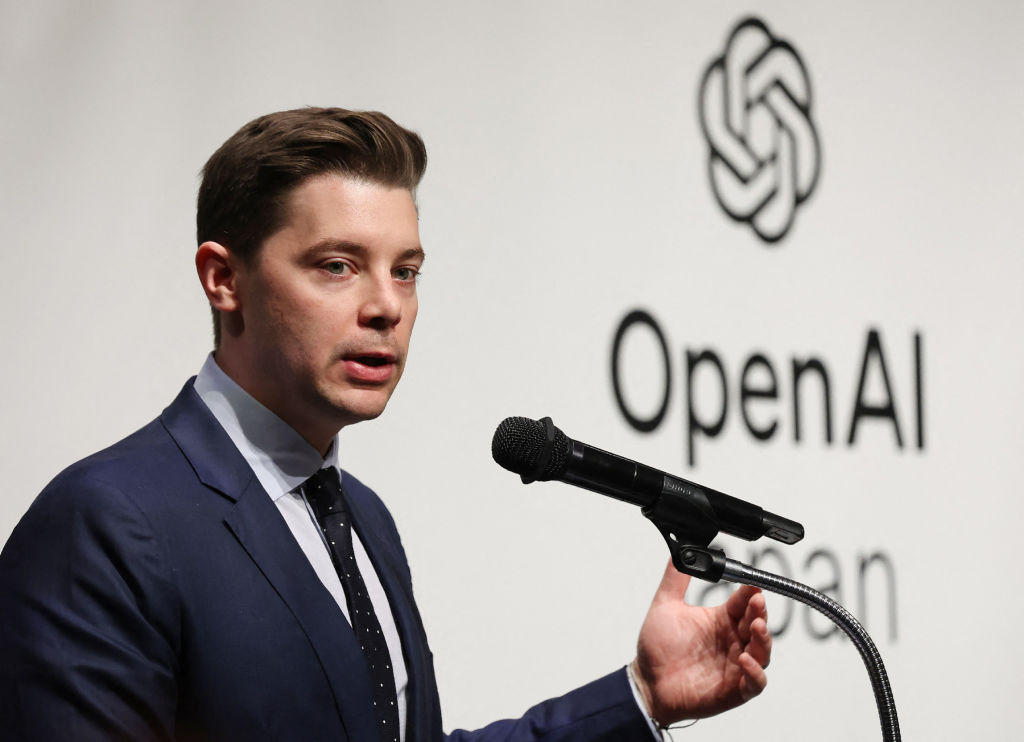
COO Brad Lightcap has transitioned to a special projects role at OpenAI, while product chief Fidji Simo has taken medical leave to focus on a neuroimmune condition. These adjustments come as the company adapts its leadership to support ongoing projects and executive health needs.
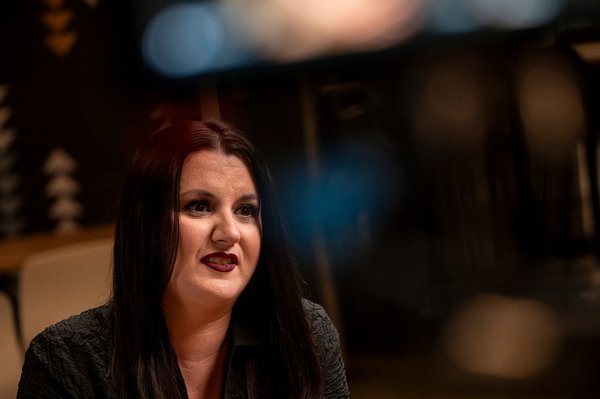

Berkeley-based HexemBio is pioneering a groundbreaking therapy that replicates the embryonic conditions where blood stem cells first develop, offering an alternative to traditional chemical or genetic reprogramming of aged cells. Their flagship program focuses on improving outcomes for bone marrow transplants in blood cancer patients and has earned FDA Orphan Drug Designation. The company’s public debut comes with a $10.4 million seed funding led by prominent investors.
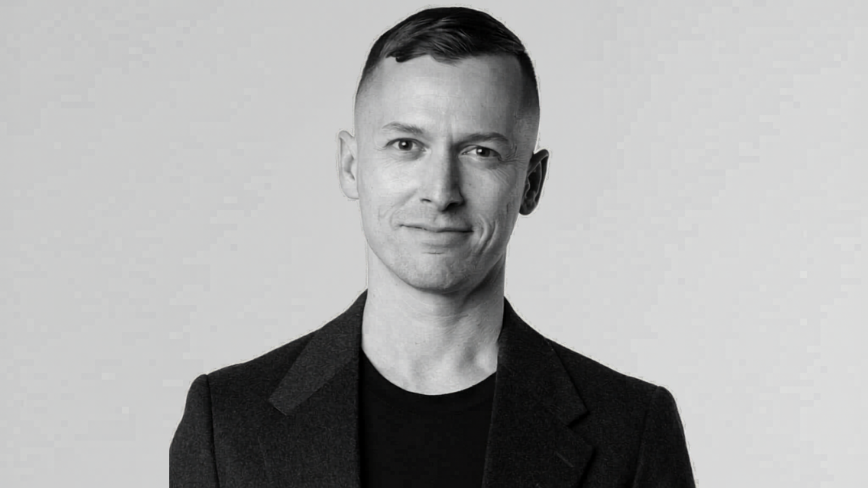

David Ko, the CEO who led Calm to over 180 million downloads across 190 countries, has stepped down to take on a senior adviser role. Ko reflects on his decision, driven by the interconnected challenges in mental health spanning employers, technology, and policy. Despite the pressures of leading a top mental wellness brand, Ko emphasizes the importance of quality sleep and vulnerability in leadership. Under his guidance, Calm grew significantly, partnering with health insurers and integrating celebrity voices to make mental health more approachable. Ko stresses the ongoing need for authentic leadership support in mental health, revealing that many executives face hidden stress but often lack safe spaces to share it. He aims to continue impacting Calm's mission on a global scale beyond the CEO role.

Behind closed doors, health insurers and hospitals acknowledge that AI scribes are driving up healthcare expenses. However, they remain divided on how to address this growing financial challenge.


As artificial intelligence reshapes traditional online ranking systems, major companies like Pfizer and other prominent brands are setting up dedicated internal AI search hubs to maintain influence over their digital presence and strategies.

For many years, venture capitalists in biotech have depended on a well-established formula to generate profits through drug development. However, this reliable method is now being challenged by rapid changes in the industry, forcing investors to adapt to new trends and uncertainties.