Google is actively contesting a federal court's ruling that labeled it an illegal monopoly in the online search market. The company submitted an appeal notice on Friday, seeking to suspend the court-mandated measures designed to revive competition in the sector. Lee-Anne Mulholland, Google's VP of regulatory affairs, argued that the court overlooked the fact that users choose Google voluntarily. She emphasized that the decision did not consider the fast-moving innovation and robust competition Google faces from both established companies and emerging startups.


When a public relations crisis arises, it's crucial for both your legal and communications teams to collaborate closely and share the same understanding to manage the situation effectively.


TikTok is set to introduce improved age-verification technology throughout the European Union in the next few weeks. This move aligns with growing global calls, including in the UK, to adopt stricter social media restrictions for users under 16, similar to Australia’s approach. Owned by ByteDance, TikTok and other platforms like YouTube face mounting pressure to more effectively identify and remove underage accounts.


Following a directive from Brazil's competition regulator, WhatsApp has reversed its stance on prohibiting third-party AI chatbots in the country. The messaging platform will continue to permit AI providers to offer their chatbots to Brazilian users, even as it moves forward with restrictions elsewhere like Italy.

Brazil's antitrust authority has mandated WhatsApp to suspend its policy that prohibits third-party AI developers from utilizing its business API to deploy chatbots on the platform. Additionally, the regulator has initiated an inquiry to assess whether this policy restricts market competition.

Authorities across Europe and Asia are probing into Elon Musk's chatbot, Grok, following complaints about the dissemination of sexualized content. Despite mounting pressure, Musk remains steadfast in his support of the technology.


Docusign has unveiled new AI tools designed to make contracts easier to comprehend and faster to prepare. The latest feature enables users to request concise summaries of contracts and their key terms, as well as ask specific questions about details such as cancellation policies, fees, timelines, or warranty terms. This technology aims to build trust by helping signers understand documents more clearly and speed up the signing process. Using Docusign’s Iris AI, which is specialized in handling contract data with in-document citations to avoid misinformation, users can now access AI assistance tailored specifically for contracts. While the tool is not a substitute for formal legal advice, it offers a quick, clear overview to help users make informed decisions. Additionally, Docusign is rolling out AI capabilities to enhance the drafting process by automatically converting parts of imported documents into fillable digital fields and validating recipient contact information to reduce errors. These developments support both individual signers and organizations by improving contract clarity and efficiency.

The UK media regulator is probing whether 'X' has violated the Online Safety Act, raising questions about potential consequences. The government is considering extreme measures, including a ban on the social media platform, after it allowed the Grok AI tool to produce indecent images of women and children without their knowledge. Ofcom has launched an investigation, and ministers have expressed readiness to support a ban if deemed necessary. The likelihood of such a ban, however, remains uncertain.

The UK is set to enforce a law criminalizing the creation and commissioning of nonconsensual intimate deepfake images, a measure triggered by the rise of such content on X linked to the Grok AI chatbot. The Data Act, passed last year, designates this act as a criminal offense. Liz Kendall, the UK Secretary of State for Science, Innovation and Technology, announced that this offense will also be prioritized under the Online Safety Act to strengthen protections.

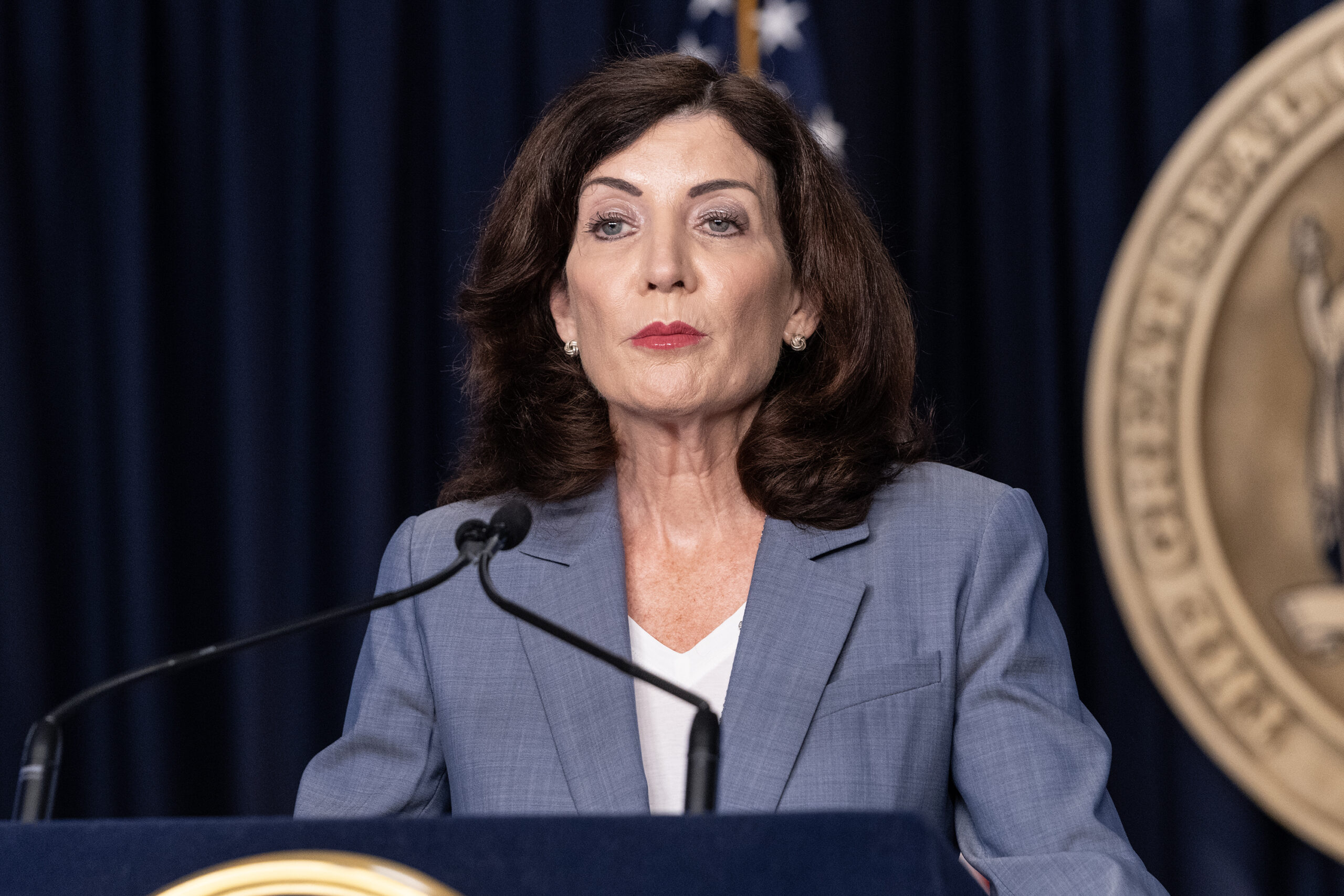
New York Governor Kathy Hochul is prioritizing children's online safety as a key focus of her administration, setting her sights on Roblox, a platform often overlooked in regulatory discussions. With federal progress on internet reforms slow, New York is stepping up with state-level measures to enhance protections for kids online. Hochul unveiled a comprehensive plan to strengthen parental controls and implement age verification, drawing on legislation proposed by state lawmakers Andrew Gounardes and Nily Rozic. This initiative aims to address current regulatory gaps and boost security on platforms popular with young users.