


Meta's oversight board has directed the company to remove deepfake videos featuring a Labour councillor and a Muslim campaigner from Facebook. The board criticized Facebook for allowing an AI-manipulated video showing the councillor making offensive remarks about refugees to remain online. Additionally, it condemned the platform for not taking down an AI-generated video misrepresenting a Muslim campaign volunteer giving false health advice while engaging in strange behaviors. This ruling highlights ongoing concerns about the spread of AI-generated misinformation and calls for stronger measures to prevent such content from proliferating.

The Albanese government is exploring a pioneering ban on the use of smart glasses within its offices and service centers, responding to growing privacy and security concerns. While there is no outright ban on importing these camera-equipped devices, the government strongly encourages individual workplaces to implement their own restrictions. This move aligns with local councils across Australia that are restricting smart glasses in public spaces to safeguard privacy.


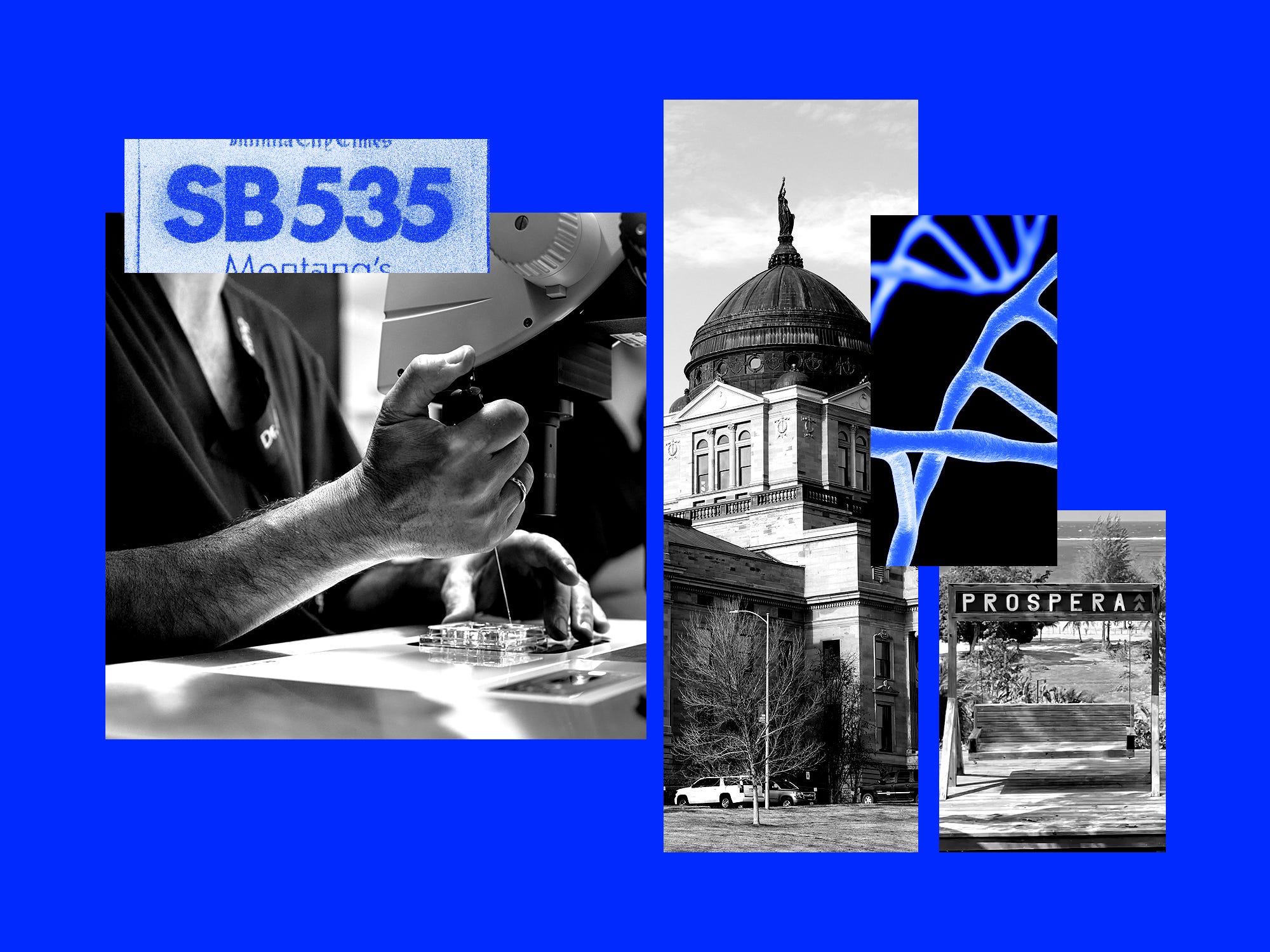
In Montana, investors aligned with libertarian ideals in the biotech sector are pioneering a new approach to healthcare by enabling broader access to experimental medications. This legislative shift hands significant control to venture capitalists, aiming to accelerate innovation and availability in drug development.

OWASP’s 2026 Top 10 list for large language model (LLM) applications has shifted its focus, raising 'excessive agency' from sixth to third position and moving 'improper output handling' down from fifth to tenth, reflecting insights drawn from recent incident data. Meanwhile, Europe’s new Cyber Resilience Act, effective from 11 September, mandates that product vulnerabilities be reported within 24 hours. However, this legislation targets product security rather than the specific ways AI agents are deployed. These developments underscore the evolving landscape of AI security regulations and highlight the pressing challenges in managing agent permissions and outputs.


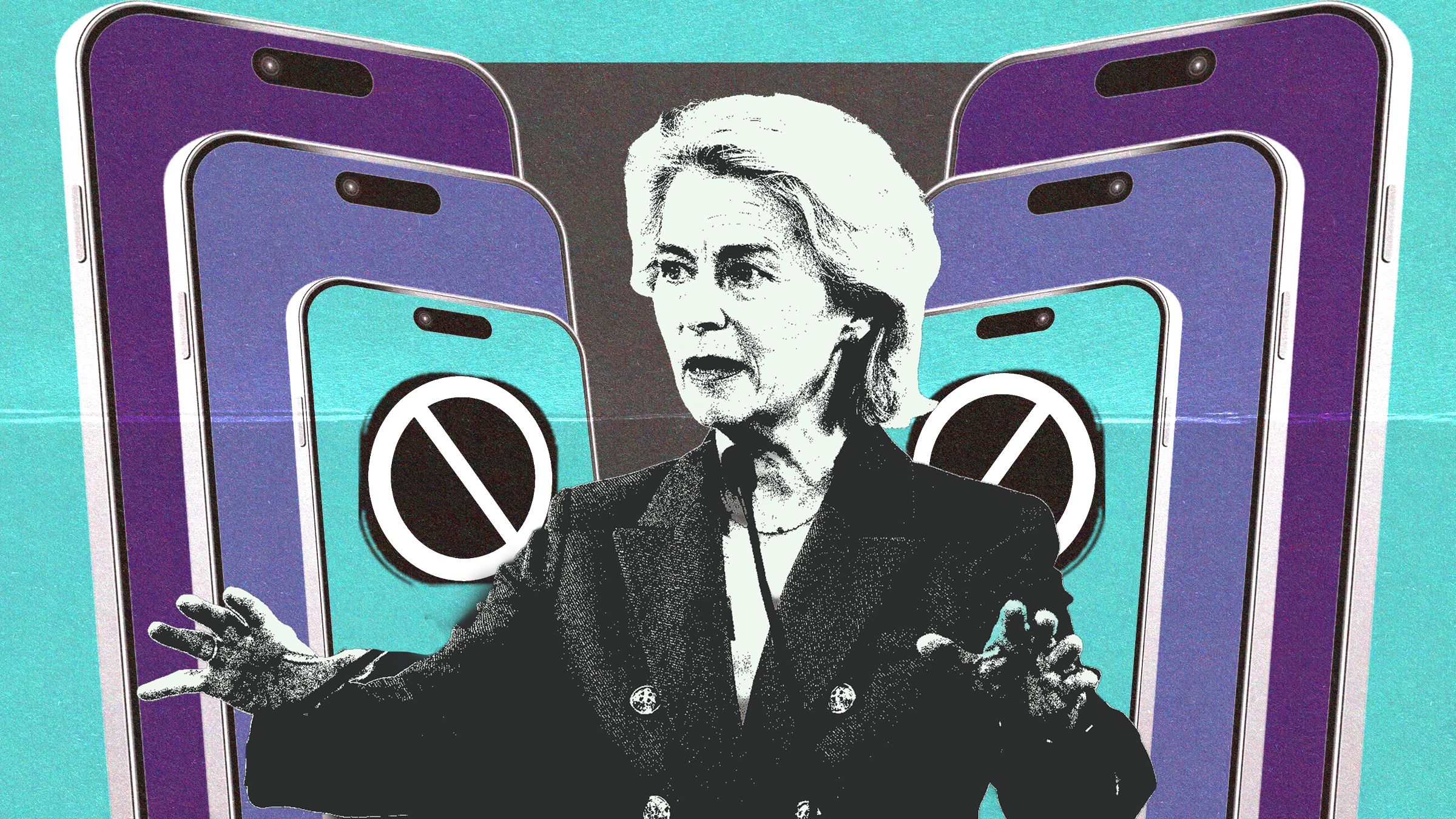
The European Union plans to introduce the EU Kids Act aimed at limiting Big Tech's influence over children by banning social media access for those under 13. However, challenges such as enforcing age verification, ensuring parental control, and addressing privacy issues may complicate the law's implementation.
A Texas judge has ruled that TikTok violated state law by falsely assuring parents that its app was safe for children. District Judge Cory Liu determined that TikTok deliberately misled the public about the safety measures of its platform, issuing the ruling through summary judgment, which means the decision was made without a full trial.

IDScan, a leading identity verification company, has confirmed a significant data breach compromising the personal information of millions. The stolen data includes full names, driver's licenses, and various government-issued identity documents.


A commission in the U.K. has put forward a set of recommendations aimed at regulating the use of artificial intelligence in healthcare. These guidelines are designed to ensure safe and effective integration of AI technologies in medical practice across the country.


Here's a look at how Google's GAM might evolve in the next 30 days as the company moves past the conclusion of its extensive antitrust trial.

The Department of Justice is intensifying its inquiry into Fox's $22 billion acquisition of Roku, amid escalating scrutiny over the DOJ's approach to overseeing major mergers. This heightened investigation coincides with growing criticism regarding potential political influences impacting how these large-scale deals are reviewed and approved.
