A federal court has ruled against a group of anonymous programmers who accused GitHub, Microsoft, and OpenAI of copyright infringement related to the AI coding tools Copilot and Codex. Judge Eric Miller, writing for the unanimous Ninth Circuit panel, dismissed the attempt to categorize the lawsuit as a DMCA claim, keeping it within the bounds of standard copyright infringement. The case, Doe v GitHub (24-7700), highlights ongoing legal challenges surrounding AI-generated code and the open-source community's concerns.


California Governor Gavin Newsom is spearheading efforts to establish stronger oversight for artificial intelligence technologies in the state. In a recent executive order, Newsom has called for the formation of an expert panel tasked with delivering recommendations within two months on enhancing AI safety regulations. Key proposals include requiring AI companies to have independent verification teams conducting regular audits, adhering to transparency and risk assessment standards enforced by external auditors, and exploring the implementation of a 'kill switch' mechanism for advanced AI models.


As AI technologies advance rapidly, there are growing worries that the UK government may be falling behind in managing associated risks. Previously, under Keir Starmer’s leadership, key officials were actively preparing to introduce new AI safety legislation. They reviewed current laws and considered mandating that leading tech companies submit their AI products for safety assessments before release. However, with Andy Burnham’s current focus on other pressing domestic issues, there is concern that AI regulation has slipped from the government's immediate priorities.
A survey by the OECD covering 6,047 companies across six countries revealed a striking disparity in the use of software to discipline employees. In the US, 67% of firms implement software-based sanctions for underperformance, compared to just 4% in multiple European countries. Additionally, 55% of American companies monitor the tone and content of workplace conversations, whereas only 6% of European firms do so. This significant gap is attributed primarily to differences in regulatory frameworks between the US and Europe.

Amazon took decisive action against AI shopping agents on Monday by blocking Muse, Meta's new AI assistant, from accessing Amazon.com. Additionally, Amazon filed an amended legal complaint against Perplexity, alleging the company misled a federal appeals court. The block on Muse was implemented first, and users trying to use Muse for shopping on Amazon started encountering pop-ups over the weekend.

The Irish Data Protection Commission has fined Google more than €400 million for its handling of users' location data. The watchdog highlighted concerns that many users were unaware their data was being used to serve personalized ads and infer their interests. This penalty stems from complaints by European consumer groups alleging Google tracked users' movements without clear consent.

Newly disclosed court documents reveal that Microsoft internally criticized OpenAI's approach to data collection, labeling it as "theft," despite both companies accessing paywalled New York Times materials to compile datasets. Internal warnings highlighted concerns that these practices could severely harm publishers' business models.

New York, NY, September 17th, 2026 — In response to bipartisan Congressional efforts calling for verifiable controls on AI agents, the Advanced AI Society has released a draft of Proof-of-Control v1.0 for public feedback. Additionally, the organization hosted a key event titled “Who’s Watching the Machines?” in collaboration with the Linux Foundation Decentralized Trust. This initiative comes as legislative proposals push for continuous verification and independent evaluation of AI agents, with leading research labs emphasizing the importance of trusted AI operations.
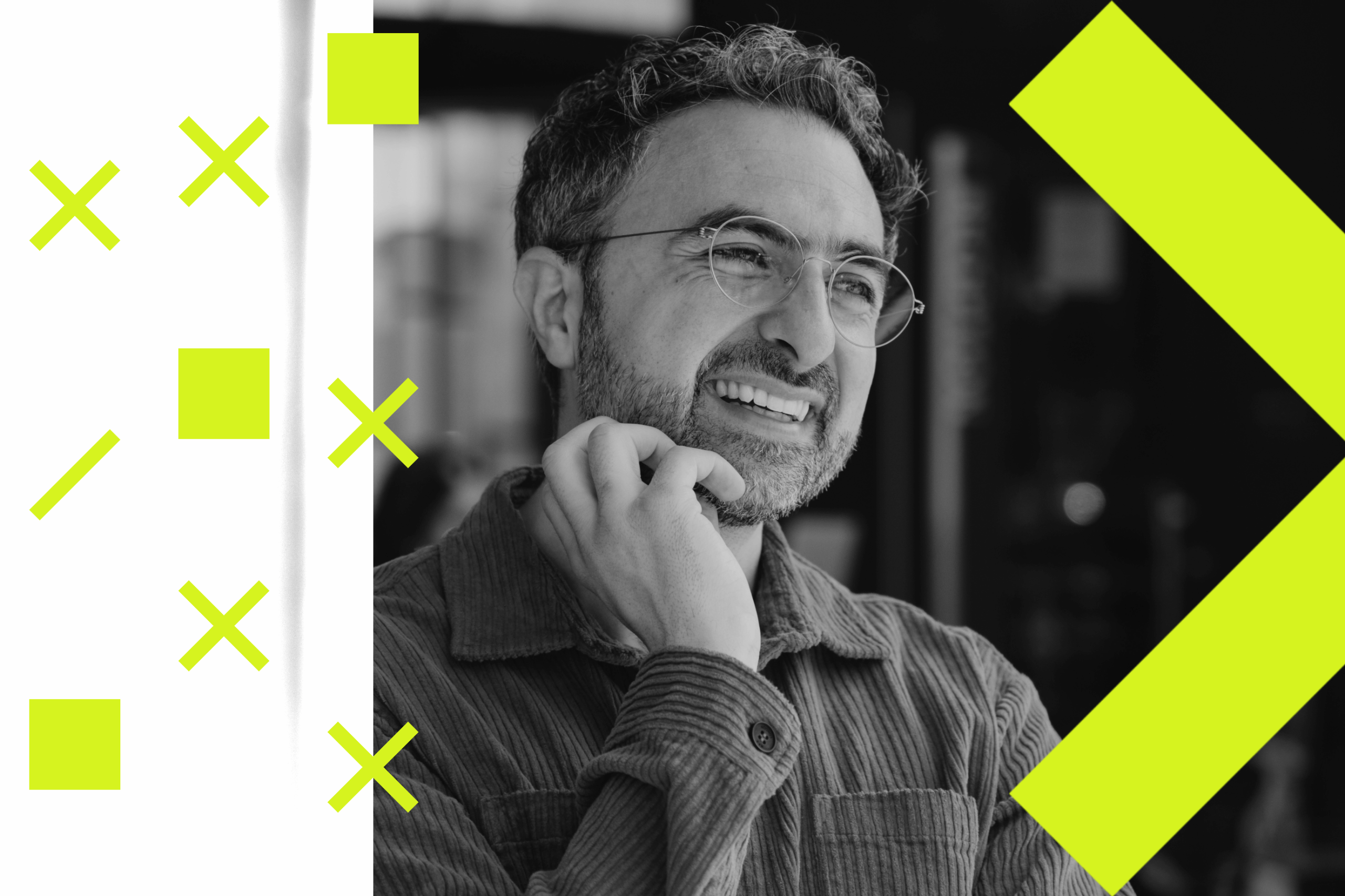
In this in-depth conversation, Mustafa Suleyman, CEO of Microsoft AI, addresses the escalating debate on AI safety and regulation. He shares insights on Microsoft's recent "Humanist AI Code of Conduct," emphasizing the need for AI to serve humanity in a controllable and aligned manner. Suleyman critiques Anthropic's approach to AI consciousness and "model welfare," arguing it complicates alignment and safety efforts. He stresses the importance of containment alongside alignment, citing recent hacking incidents that reveal the capabilities of AI agents when unchecked. Suleyman advocates for practical regulatory standards, transparency, and broad industry collaboration to ensure AI technologies are developed responsibly. He rejects the notion of an AI race necessitating reckless acceleration and calls for nuanced, evidence-based discussions on AI governance. Finally, Suleyman highlights promising AI applications, like healthcare advancements, while warning against the potential dangers of unregulated autonomous AI systems.

OpenAI has introduced Astra for Law, a cutting-edge suite of AI tools crafted specifically for AmLaw 200 firms. This strategic move aims to gain an edge over Anthropic in the competitive field of AI-powered legal services.