


Opo is revolutionizing retail trading by offering intelligent tools traditionally reserved for institutional investors, leveling the playing field for everyday traders.


Anthropic is reportedly negotiating a funding round that could push its valuation near the trillion-dollar mark, potentially surpassing OpenAI.

Alphabet’s Isomorphic Labs has successfully raised $2.1 billion in a Series B funding round. The substantial investment will be dedicated to accelerating the deployment of its advanced AI model on a larger scale, enhancing its impact in drug discovery and related fields.


Defense technology startup Anduril, after reporting $2.2 billion in revenue in 2025, has successfully closed another significant funding round. The $5 billion raise was led by prominent investors Thrive and a16z, marking a substantial growth milestone for the company.

Mind Robotics, initially unveiled in late 2025, has successfully raised over $1 billion in total funding, following its latest $400 million financing round.

Fervo Energy, a pioneer in enhanced geothermal technology, saw its IPO demand surge, prompting multiple increases in fundraising. Investors were eager, questioning why the company hadn't raised a larger sum initially, reflecting strong confidence in the sector fueled by AI data center expansion.

Notion has introduced a developer platform that empowers teams to seamlessly integrate AI agents, external data streams, and custom coding capabilities directly within their workspace. This strategic move highlights Notion's commitment to enhancing productivity through advanced, agent-driven software solutions.


At a recent ads showcase, TikTok emphasized driving consumer intent and action through its new TikTok Go travel booking feature, alongside showcasing enhanced AI capabilities. This move highlights TikTok's push to evolve from a platform for brand discovery to one that facilitates direct consumer transactions and experiences.


Many everyday innovations—from curb cuts to automatic doors—originated as disability accommodations but now benefit everyone. Often, workplaces are designed around the idea of an "ideal" able-bodied worker, ignoring the needs of broader and aging workforces. When teams include people with disabilities, coworkers tend to spot inefficiencies and rethink how work is done to improve safety, ease, and effectiveness for all employees. Instead of just giving individual accommodations, redesigning tasks can reduce physical strain and errors for the entire team. For instance, replacing heavy lifting tasks with assistive tools benefits all workers by lowering fatigue and injury risk.
Research shows that exposure to disability prompts coworkers to generate more creative and practical solutions to improve workflows, workspace setup, communication tools, and brainstorming processes. Innovations like documented workflows, captioning in meetings, and structured idea sessions emerged from inclusive practices that address diverse needs, boosting productivity and collaboration.
Managers concerned about slowing down work or singling out individuals should focus on small, reversible changes aimed at improving jobs rather than spotlighting people. Involving employees who experience challenges, running assumption reviews on high-friction tasks, and treating accommodation requests as opportunities to redesign jobs can lead to more sustainable, inclusive workplaces. Embracing disability as a natural diversity factor inspires continuous, practical innovation that benefits everyone—in ways large and small.
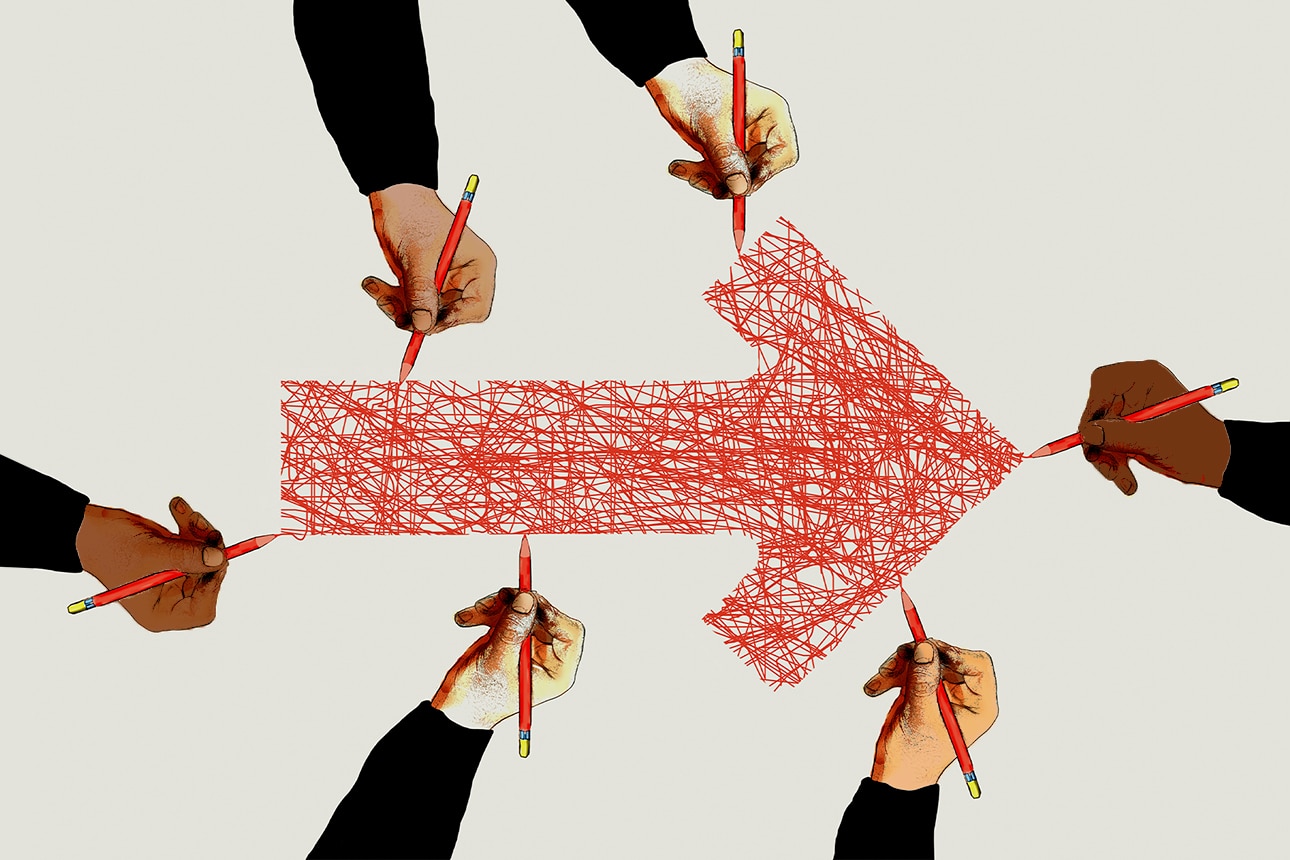

A comprehensive guide to developing a distinctive brand in an overcrowded AI market where many products appear identical and share similar messaging.
