This year, numerous major firms such as Amazon, eBay, and Pinterest have implemented layoffs as they adjust to evolving economic pressures and the rise of AI technologies. These changes reflect broader trends affecting the business sector.

At Google, managers are increasingly emphasizing AI adoption across various roles, including non-technical employees. Reports indicate that the extent to which staff utilize AI tools will now influence their performance evaluations, signaling a broader push for AI integration company-wide.


Alice Mollon/Ikon Images
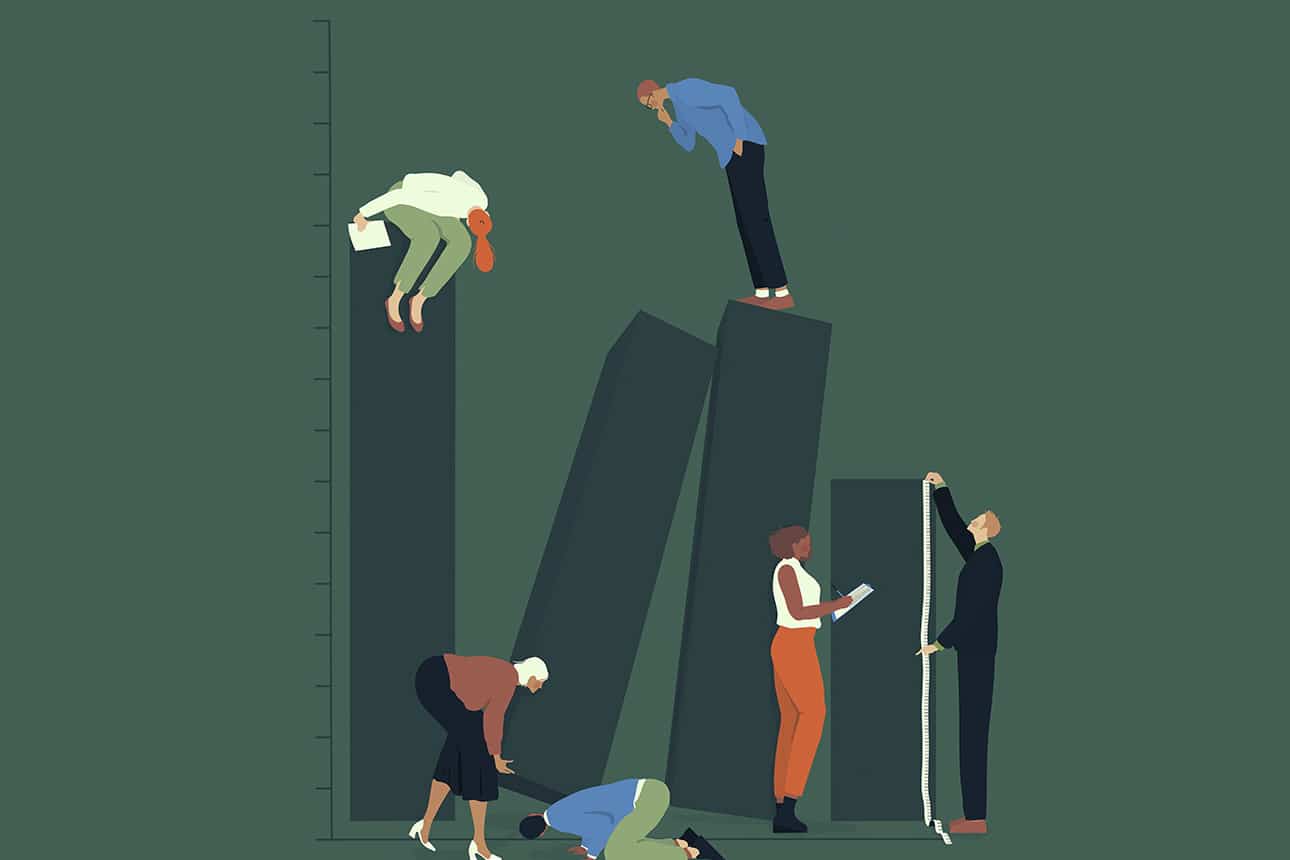
Implementing a data-centric method to gauge and enhance customer experience (CX) is essential for organizational success. However, the overwhelming number of CX metrics—often running into the hundreds—complicates management and application of insights across the customer journey. Modern customers frequently encounter CX surveys shortly after interactions like purchasing or service calls, yet businesses sometimes collect metrics without strong relevance to improving CX outcomes.
This challenge was highlighted through our collaboration with 14 subscription service companies, where we identified which CX metrics truly impact key outcomes like churn and net promoter score (NPS). By focusing on a selective set of metrics—spanning customer perceptions, operational efficiency, and financial impact—and aligning them carefully with the customer journey stages, companies can reduce redundant or low-value measures. This not only lowers costs but also combats survey fatigue among customers.
Our statistical analysis revealed that certain call center metrics, such as IVR deflection rate, strongly predict customer satisfaction, while others like service level and call transfer rates offer little insight and could be eliminated. Mapping these metrics to onboarding stages—from prepurchase through post-purchase—clarifies how customers’ knowledge, attitudes, and behaviors evolve, helping companies tailor CX efforts more precisely.
Ultimately, refining the CX metrics portfolio empowers companies to concentrate on meaningful data, optimize resource use, enhance employee understanding, and improve customer relationships through targeted strategies. This approach encourages a culture focused on customer needs rather than just operational efficiency, facilitating better business outcomes across industries.

WPP is overhauling its organizational structure by moving away from the holding company model under its new Elevate28 plan. This strategy consolidates the company into a unified entity consisting of four distinct units. Alongside this change, WPP is implementing a talent framework designed to nurture a culture focused on high performance and growth.


As artificial intelligence integrates deeper into office workflows, insightful leaders are revisiting their strategies around returning to physical workplaces.


Anthropic has rolled out significant upgrades to its Claude Cowork platform, enabling the AI to assist with a broader array of routine office tasks. Now, Claude Cowork integrates seamlessly with widely used office software such as Google Workspace, Docusign, and WordPress. The platform also introduces new plug-ins designed to automate workflows in diverse departments like HR, design, engineering, and finance. Notably, Claude can manage complex, multi-step processes across Excel and PowerPoint, maintaining context between the two. This update follows the platform's initial launch last month, underscoring Anthropic's commitment to expanding AI's role in practical business environments.

AI succeeds when leaders actively engage in its implementation rather than merely assigning tasks.

Leadership demands a commitment to exceptional standards and consistent effort. It's a discipline that drives performance and success, and thus requires dedicated investment and focus.

In today's fast-paced world, the true edge lies in attentively hearing what customers have to say and building their trust above all else.

Leaders who prioritize trust and credibility as key strategic assets position their organizations for sustainable growth and long-term success.