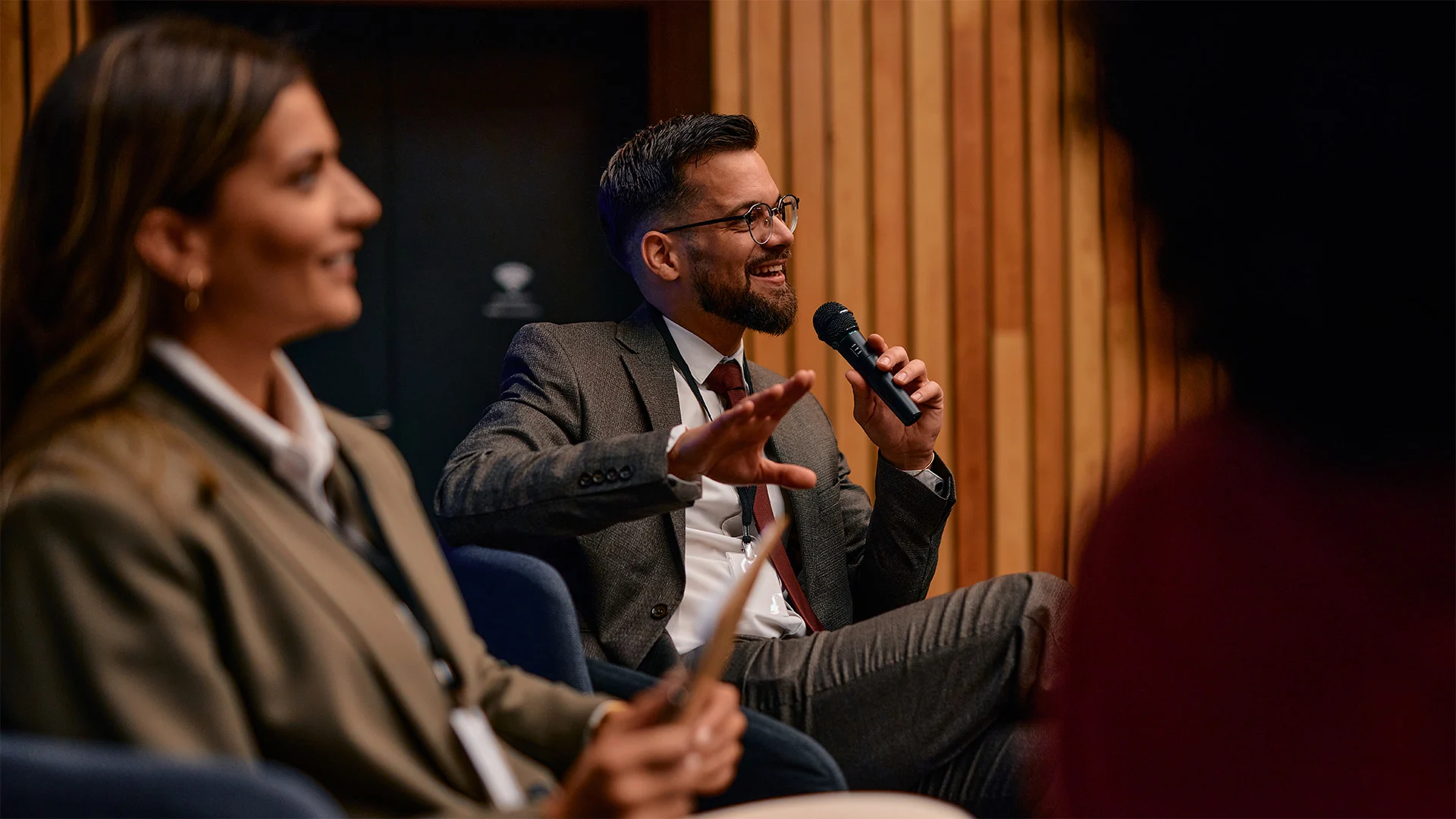
Successful leaders distinguish themselves by embracing AI early, learning through experience, and continuously improving their skills with it.

With the workforce now spanning five generations, millennials and Gen Z make up the majority, yet leadership remains dominated by older generations. The average CEO age in S&P 1500 companies has risen to nearly 59, while only a small fraction of younger directors are present on major boards. This imbalance risks stagnation as business environments evolve rapidly. Age-diverse leadership teams bring a dynamic blend of experience and fresh perspectives, fostering innovation and resilience. Younger leaders boost curiosity and challenge norms, while seasoned leaders provide valuable expertise, crucial for sustainable growth and adaptation. Organizations can foster this balance through three key strategies: consultation, decision rights, and building intergenerational leadership pipelines. Examples include reverse mentoring, shadow boards like Gucci’s, and integrating younger executives in decision-making roles as seen at Telstra and Ford. Embedding these approaches facilitates ongoing generational collaboration, driving innovation, inclusion, and long-term competitive advantage.


Uri Gal from the University of Sydney sheds light on the underlying factors reshaping the job market in tech, beyond AI's influence.

Meta has reportedly been evaluating plans for a potential 20% reduction in its global workforce. In response to these speculative reports, a Meta spokesperson stated that such discussions remain theoretical at this stage. For more detailed insights, readers can visit the original report from Silicon Republic.


Brands rushing to adopt AI-driven systems risk losing their most valuable asset: trust. Integrating human verification into AI processes is crucial to maintaining credibility and protecting your brand's reputation.

Many startups struggle because their founders focus intensely on problems that don't truly matter. Redirecting energy toward the right challenges is key to success.


After-hours meetings have become more frequent, with 33% of US knowledge workers routinely participating in them in 2025, up from 23% in 2024, according to a survey by AI-driven workspace provider Miro. Experts suggest that while AI tools could help reduce late-night meetings through features like AI note takers and asynchronous collaboration, technology alone won’t fix a culture that often schedules unnecessary meetings without clear agendas or outcomes. The rise in after-hours meetings is partly driven by flexible and global work arrangements, with meetings spanning multiple time zones making it hard for workers to maintain boundaries between work and personal life. Industry voices warn that better meeting habits and intentional workplace policies are essential to truly address the challenges associated with increasing meeting demands.

At the 2026 World Economic Forum in Davos, Schneider Electric was awarded twice by the WEF’s MINDS program for its impactful AI-driven solutions in energy management, distinguishing it uniquely. CEO Olivier Blum underscored the inseparable future of AI and energy, emphasizing the need for enhanced energy intelligence. Under the leadership of Chief AI Officer Philippe Rambach, the firm has implemented nearly 100 AI applications, evenly divided between customer-focused solutions and internal operational enhancements, from manufacturing to customer service.
Schneider Electric advances AI by embedding it directly into existing platforms and workflows instead of standalone products. This approach includes AI enhancements in sales tools and agentic AI systems that improve sales productivity despite their developmental stage. Training programs are tailored to different employee roles to facilitate AI integration and culture.
The company’s AI deployment model bypasses prolonged pilot testing, focusing instead on scalable implementations verified through strict stage-gate processes and comprehensive business cases, ensuring immediate and significant impact. Value measurement strategies vary between customer-facing and internal uses, emphasizing adoption and performance metrics, allowing Schneider Electric to lead in practical, large-scale AI adoption while balancing analytical and generative AI methods.
Lessons from Schneider Electric highlight the importance of business-driven AI initiatives, front-line employee involvement, embedded AI in workflows, scalability from the outset, specialized training, and a balanced AI technology portfolio—offering a robust template for successful AI integration across enterprises.
Leaders who show genuine respect to their teams foster greater engagement, enhance collaboration, and ultimately achieve superior results.

Effective leaders aren't those who rush to respond in Q&A sessions, but those who stay calm and grounded while addressing questions.