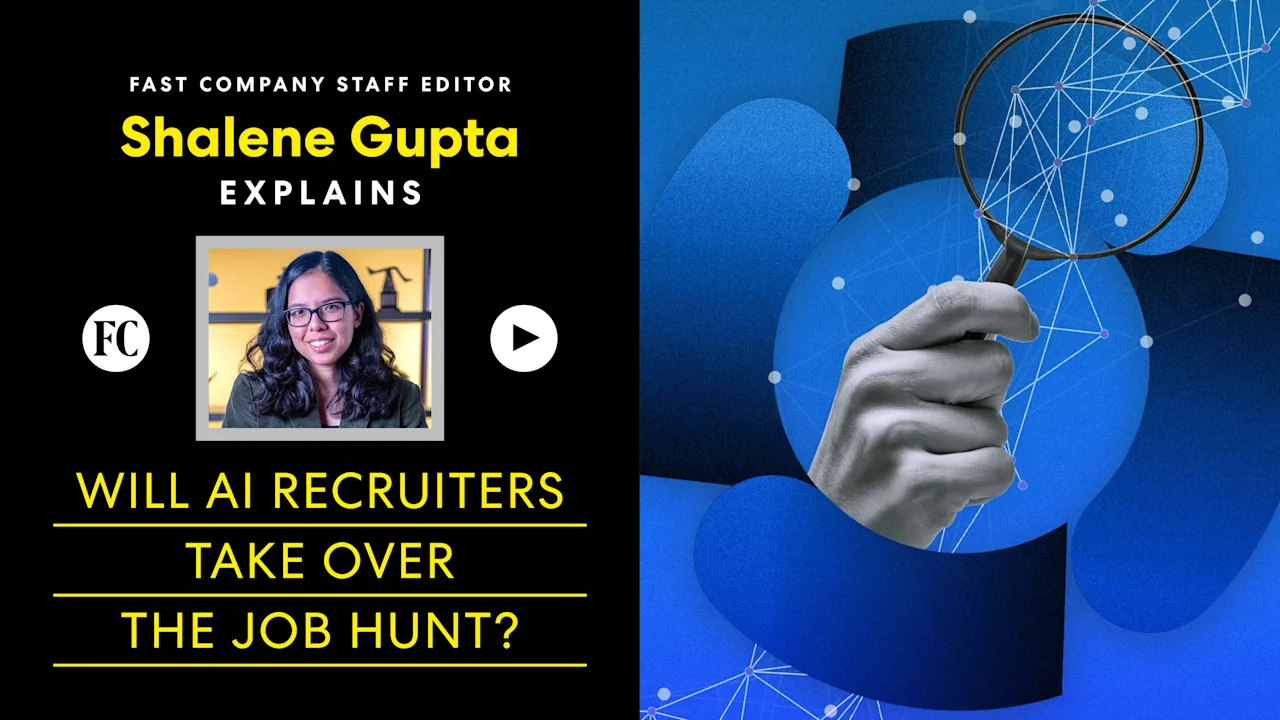
Artificial intelligence is reshaping the recruitment landscape, impacting candidates, employers, and recruiters alike. Innovations such as AI-assisted video interviews and platforms like Paraform, which incentivize recruiters for precise candidate matches, are accelerating changes in hiring. Despite these advancements, the central question remains: Do human recruiters still have an essential role to play?

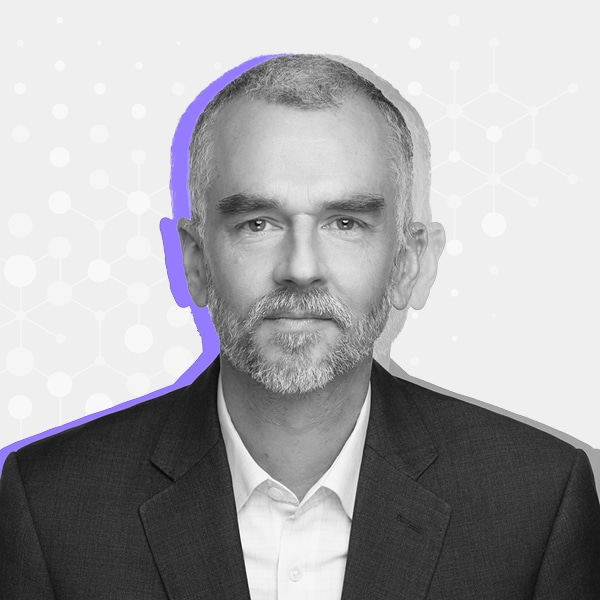
Mark Surman, president of Mozilla, emphasizes that governance and responsibility are essential foundations for fostering trust in artificial intelligence. CEOs must prioritize ethical frameworks and accountability to counter widespread doubts about AI's reliability and impact.

Recent findings highlight that a deficiency in 'interpersonal diversity' among leadership teams leads to organizational blind spots, negatively impacting executives and employees alike.

Organizations should transition from traditional role-based platforms to talent systems that focus on capabilities to better align with workforce needs and future challenges.


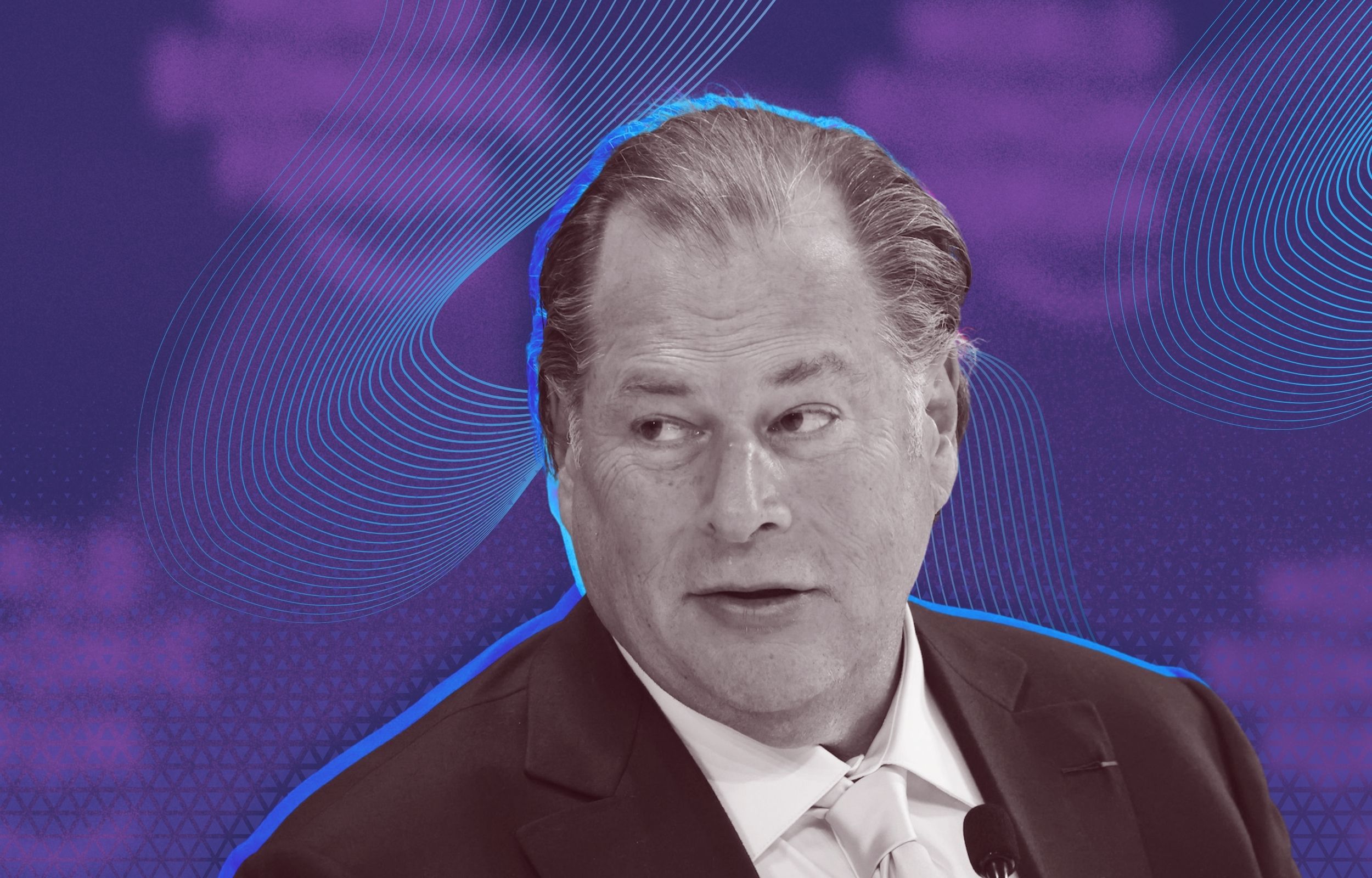
Marc Benioff, CEO of Salesforce, has disclosed how AI embedded in workplace tools grants detailed insight into employee conversations, sparking concerns about privacy and surveillance at work.

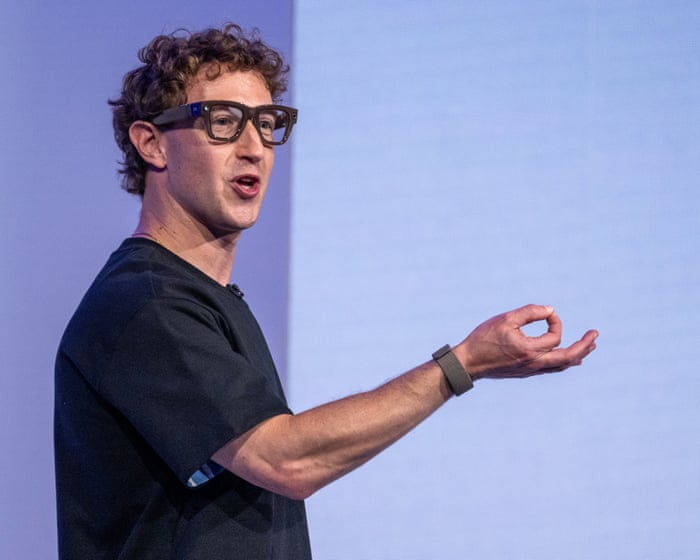
On May 20, Meta will initiate layoffs affecting about 8,000 employees, marking the largest workforce reduction since its 2023 restructuring. This move highlights CEO Mark Zuckerberg's strategic focus on investing heavily in AI infrastructure, prioritizing technological advancement over workforce retention. Additionally, Meta is halting recruitment for 6,000 open positions, underscoring a shift in resource allocation towards AI development.


Standard Chartered, headquartered in London, will cut more than 7,000 positions over the next four years as it leverages artificial intelligence to streamline its operations. The bank is reducing back-office roles and plans to transition some affected employees into new positions, aiming to boost profitability and stay competitive in the evolving financial landscape.

Meta is swiftly realigning its workforce to emphasize artificial intelligence. Over 7,000 employees are being reassigned to new roles focused on AI agents and cloud infrastructure. Some have already been moved to newly created teams, including one dedicated to AI cloud infrastructure and another working on an internal AI project called Hatch. Recently, engineers were notified of mandatory transfers to these teams, a continuation of Meta's broader effort to integrate AI across its operations. Earlier movements included shifting at least 1,000 engineers to the Applied AI (AAI) data labeling team, initially voluntary but now required, reflecting the company's urgent pivot towards AI development.

In this episode of Me, Myself, and AI, Andrew Palmer, senior editor at The Economist, discusses the thoughtful experimentation with generative AI within organizations, highlighting how The Economist integrates AI to enhance editorial and publishing processes while maintaining high standards through human oversight. Andrew shares insights from his role hosting the Boss Class podcast, exploring management and workplace issues, particularly the nuanced effects of AI on jobs and productivity.
Andrew emphasizes the need for measured adoption rather than rushing headlong, noting both the promise and limitations of AI tools in their early stages. He recounts a personal experience of rapidly prototyping a style-checking tool using AI, which then required significant refinement and governance before practical deployment. The conversation delves into challenges like managing AI-driven workloads, maintaining quality, and avoiding organizational bottlenecks.
The discussion also covers recruitment, transparency in AI use, and the balance between automation and human judgment in hiring and management. Andrew advocates for systems thinking and self-awareness as essential skills in navigating the evolving workplace. Ultimately, the episode underscores the importance of nuance and clarity in integrating AI, promoting experimentation with caution and a strong grounding in human factors and organizational dynamics.
The rapid advancement of AI, especially generative AI, poses significant uncertainty about the future of entry-level white-collar jobs, with a large portion potentially disappearing soon. Industry leaders like Dario Amodei of Anthropic predict major reductions in hiring, while companies like Goldman Sachs are already cutting thousands of jobs each month. Former Google CEO Eric Schmidt raises concerns about AI's unpredictable capabilities and suggests extreme caution, even recommending halting AI development if necessary. This situation presents a dilemma where executives, insulated by their status, prioritize short-term profits and shareholder value, overlooking long-term societal impacts and the essential role of nurturing new talent. Drawing parallels to the sluggish corporate response to climate change, the author argues for a shift in corporate strategy to maintain jobs and invest in human capital rather than relying excessively on AI-driven automation. Companies that retain and develop their workforce may gain a competitive advantage in the future. The piece calls for thoughtful business decisions and policy intervention to manage AI's disruptive effects responsibly, emphasizing the importance of balancing innovation with collective well-being and sustainable economic growth.