Dario Amodei emphasizes that fostering a culture where employees feel safe to question leadership openly is crucial for the company's success.


COO Brad Lightcap has transitioned to a special projects role at OpenAI, while product chief Fidji Simo has taken medical leave to focus on a neuroimmune condition. These adjustments come as the company adapts its leadership to support ongoing projects and executive health needs.


In this episode of the Me, Myself, and AI podcast, Jacqui Canney, Chief People and AI Enablement Officer at ServiceNow, discusses how AI is fundamentally transforming workflows and employee experiences. ServiceNow, with its massive scale of 80 billion active AI-powered workflows, integrates AI to automate routine processes like employee onboarding, enabling staff to focus on more valuable tasks. Canney emphasizes that AI adoption is not just about technology but heavily relies on effective change management, workforce training, and talent development, including personalized AI skills assessments. She reflects on emerging roles, the importance of blending soft skills with technical expertise, and how AI blurs traditional organizational boundaries, pointing to a future where AI and human collaboration reshape leadership and work. The conversation explores practical AI use cases, challenges in scaling AI across large organizations, and the critical role of culture and people in realizing AI's full potential.


In 1986, Toyota's design branch, Calty, crafted a replica American dining room in Japan to teach its executives more than just the physical difference in size between Japanese and American people. The setup—a spacious dining table with six chairs far apart—highlighted Americans' preference for roominess, luxury, and comfort, reflecting cultural values like individualism compared to Japan's collective mindset and space restrictions. This experience helped the executives understand American consumers' expectations and ways of thinking, which was key to Toyota's success in the U.S. market. This story serves as a powerful reminder to any leader or business aiming to enter new markets: to truly connect with customers, one must appreciate their cultural context and lifestyle, essentially stepping into their shoes and experiencing their world firsthand.

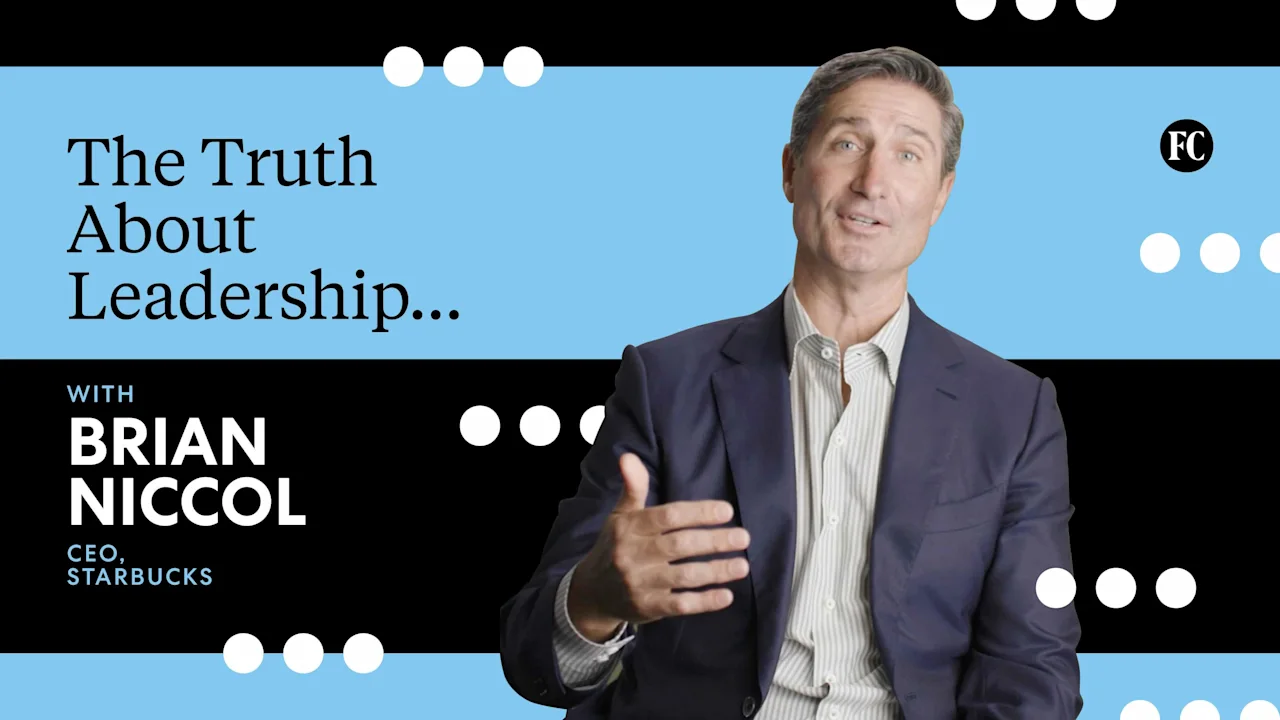
Starbucks CEO Brian Niccol emphasizes that effective leadership extends beyond issuing directives. He advocates that the most undervalued leadership quality is the ability to listen attentively to your team rather than dominating conversations.
While white-collar workers have been the focus of much discussion about AI's impact on jobs, a new report shows that workers without four-year degrees are also facing significant disruption. AI threatens not just individual job roles but entire career pathways, especially those involving "Gateway" jobs that serve as stepping stones for millions of workers without college degrees (known as STARs) towards better-paying roles. Over 15 million such workers are in positions highly exposed to AI-driven changes, particularly in clerical and administrative sectors dominated by women. These Gateway roles are critical for upward mobility into "Destination" jobs like sales and accounting, many of which are also threatened by AI. This shifts the traditional job pipeline, risking the career progression of lower-wage workers and creating challenges for employers seeking experienced candidates. Furthermore, variations in industry dominance mean AI's impact varies across regions, necessitating targeted policy and collective efforts to rebuild career pathways and support affected communities. Experts highlight the importance of regional responses to create mobility opportunities for all workers and meet employer needs.

Burnout isn't the real issue behind creative teams losing their drive. There's a deeper, often overlooked factor causing disengagement and stifling innovation.

The urgency of quarterly earnings reports has diminished over time. Moving away from this practice could create positive outcomes for companies, investors, and the broader market by allowing for more strategic, long-term planning.

Despite facing setbacks and uncertainty, many CEOs remain committed to integrating AI technology, driven by its potential impact and future opportunities in the workplace.


A recent joint report highlights the challenges many organizations face when integrating generative and agentic AI technologies into their workflows. The study reveals that 60% of companies are considering layoffs for employees who do not adapt to AI tools and processes.