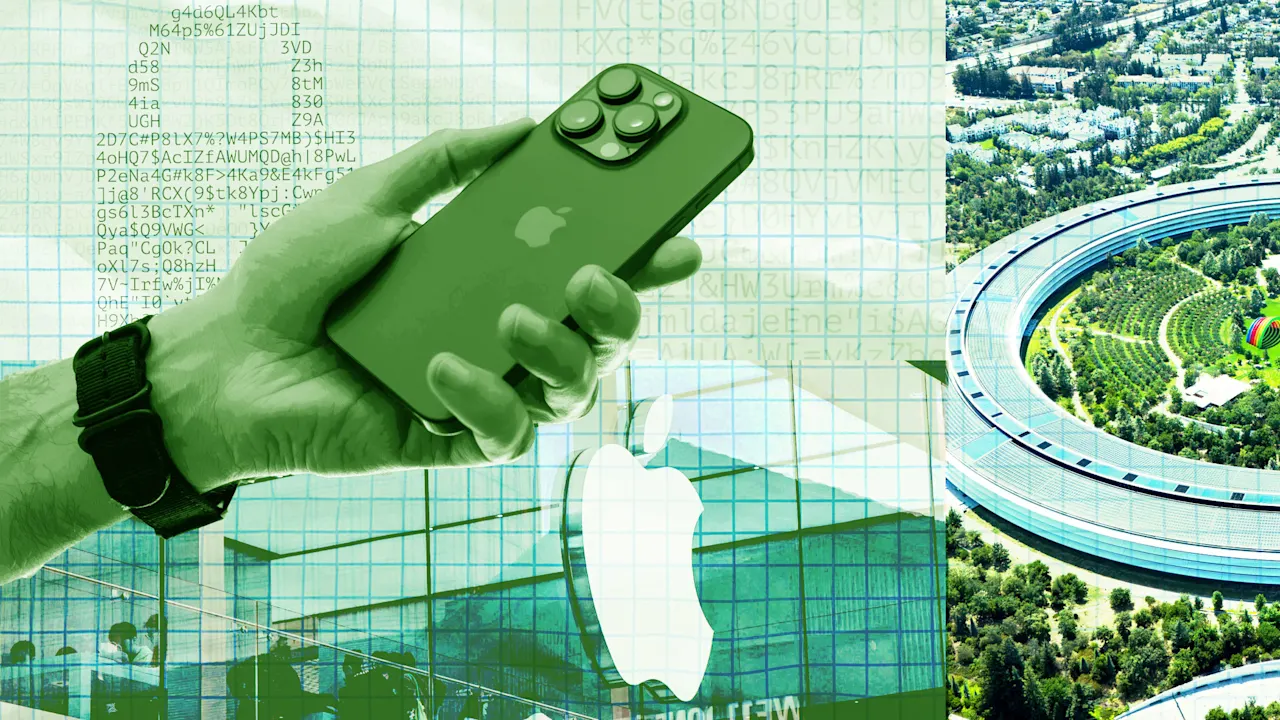
April 1st marks the 50th anniversary of Apple’s founding. While many retrospectives highlight Apple’s iconic products like the Macintosh, iPod, and iPhone, the company’s most significant impact is not hardware—it’s its pioneering commitment to user privacy. Apple's groundbreaking policy treats privacy as a fundamental human right, shaping the design of products to protect user data.
Unlike many tech giants that profit by monetizing user data, Apple redefined the landscape by championing end-to-end encryption with iMessage fifteen years ago. This shift gave everyday users access to privacy protections previously reserved for enterprise systems. Apple has consistently led the charge, blocking trackers in Safari, allowing users to restrict location sharing, and encrypting health data and iCloud storage to prevent even Apple's own access.
While Apple’s hardware sales provide a different business model than ad-driven companies, its vocal privacy stance influences industry standards and consumer expectations globally. As AI technologies emerge that demand even greater data usage, Apple’s privacy-first ethos remains crucial. Its role in advancing privacy protections could shape the future of technology for decades to come, maintaining its influence through both ideology and innovation.
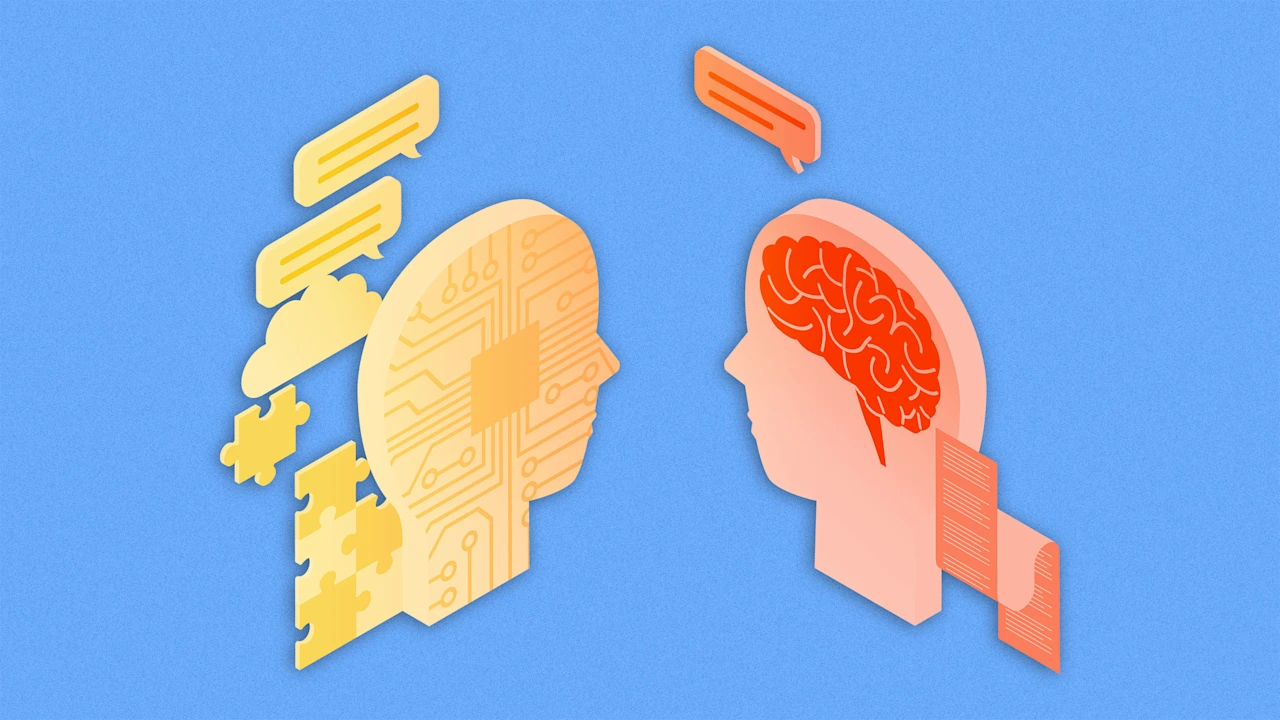
Anthropic, a leading AI company, has recently published a report highlighting a growing divide in AI skills among workers. The data reveals that employees with at least six months of experience using Anthropic's chatbot, Claude, tend to perform better in collaboration tasks compared to those less experienced with AI. This gap could create disparities in job success as AI technology becomes increasingly integrated into various professions.
Peter McCrory, head of economics at Anthropic, noted that the report doesn't yet show a widespread impact on unemployment, especially in jobs requiring physical interaction. However, the potential for job displacement remains, especially in entry-level white-collar positions, which could face significant changes over the next five years, according to CEO Dario Amodei.
The report emphasizes the importance of monitoring AI's effects on the workforce to respond effectively with appropriate policies. As companies rapidly adopt AI tools across sectors like banking and retail, uneven training and adoption rates lead to workplace tensions and inefficiencies. Experts suggest that mastering AI as a collaborative tool rather than fearing automation will be crucial. While anxiety about AI's impact on jobs persists, there's still an opportunity for workers to improve their AI proficiency and remain competitive in the evolving job market.
For years, concerns about the impact of social media on youth mental health—from addiction to exploitation—have been raised by parents, experts, and whistleblowers. Now, landmark jury decisions in Los Angeles and New Mexico hold Meta and YouTube accountable for the harm their platforms allegedly inflict on children. These rulings mark a significant shift, signaling that Big Tech’s traditional legal immunity is eroding as courts increasingly recognize the consequences of platform design choices that encourage addiction and expose minors to risks. While Meta and Google plan to appeal, advocates see these judgments as a turning point that may spur stronger regulations and a reevaluation of corporate responsibilities toward young users. The cases circumvented Section 230 protections by focusing on deliberate product design harm, setting new precedents reminiscent of past public health-related litigations. Despite the lengthy legal journey ahead, public awareness about social media’s dangers is growing, evidenced by rising concern among teenagers themselves. As the industry grapples with these challenges, emerging technologies like AI chatbots present new arenas for ensuring safer digital environments for youth.

Job searching today has become tougher, especially for white-collar roles, as companies hold onto current staff and hiring slows down. Automated hiring systems make applying easy but also increase competition, with recruiters facing many more applications than before. AI can be a valuable tool here—to refine résumés, personalize cover letters by analyzing company data, and prepare for interviews through mock questions. However, experts caution against using generic AI-driven résumés that look similar and discourage tricks like hidden keywords to bypass automated screening. Candidates should also be honest and authentic since AI usage guidelines are emerging. Using AI to practice interview responses is helpful, but relying on it to cheat during remote interviews is easily spotted and frowned upon. Job seekers should prepare for AI-conducted initial interviews, which are becoming more common and offer a fair screening process. Beware of AI-powered job scams that trick applicants with fake offers; always verify jobs through official company channels. Employers, in turn, are increasing identity checks to avoid hiring fraudulent candidates. Understanding how to ethically and effectively leverage AI can give applicants a competitive edge in today's challenging job market.

There is a significant and overlooked opportunity in marketing to empty nester women, currently numbering around 35 million in the U.S., many of whom are single. This group is not retreating but actively embracing new activities with time, money, and motivation. Historically overlooked or approached merely for spending growth, the true potential lies in addressing systemic market failures that have underestimated women, especially single empty nesters. Instead of validation, these women seek acknowledgment through brands that dismantle barriers such as the 'single supplement' in travel, which unfairly charges more for solo lodging. Empty nester women also remain key influencers in multi-generational family dynamics, often managing and funding activities for adult children and grandchildren. Their lifestyle is marked by vitality and empowerment rather than vanity, as many launch businesses and lead trends. Brands that take time to understand their needs and design inclusively can unlock wider markets, as seen with QVC’s success targeting this demographic through tailored strategies. To truly tap into this vast market, marketers must shift their focus from traditional demographics to genuinely solving the real-world challenges faced by empty nester women, recognizing their value beyond age or wallet size.

Today's business discussions show a waning enthusiasm for sustainability and ESG, topics once championed by investors and marketers but now often met with skepticism and sidelined amidst political controversies. Meanwhile, AI has surged as the centerpiece of strategic growth, promising efficiency and innovation. However, the fundamental driver of long-term brand loyalty and trust is not ESG or AI alone but a clear and authentic sense of purpose — a human-centered commitment that answers the critical "Why?" behind what companies do. Despite a decrease in public sustainability messaging, research indicates sustained or increased investment in ESG practices, though meaningful long-term success hinges on deeper factors than public reporting alone.
AI’s rise intensifies the need for purpose, as technological advances make products and services more uniform and competition fiercer. When aligned with purpose, AI amplifies a company's mission, enabling personalized consumer experiences that resonate on an individual level. Trust and authenticity become paramount in an environment where AI can rapidly generate content and complexity increases across supply chains. Companies that clearly communicate their purpose and integrate it into every facet of their operations are the ones that outperform peers, securing stronger growth, higher trust, and better resilience.
The shift in consumer mindset from collective ideals to individual needs means businesses must forge personal, transparent connections, moving beyond mere narratives to demonstrate genuine value and integrity. Abandoning purpose risks eroding customer loyalty, trust, and employee engagement — especially as AI reshapes roles and market dynamics. The most competitive organizations will be those that embed purpose into their core strategies, embracing it not as a marketing slogan but as an operational imperative in today’s AI-accelerated landscape.
Kristy Caylor, CEO of Trashie, emphasizes that purpose is evolving — becoming more personal and systemic, and crucial for sustaining competitive advantage in a rapidly changing world.
The state of behavioral health presents a complex picture. On one side, mental health challenges affect 62% of U.S. adults, with severe mental illness increasing significantly over the last decade. On the other, progress is evident: stigma around seeking care has lessened, treatment rates have risen, and investments plus workforce growth in behavioral health have increased substantially.
Despite these improvements, the industry still battles staffing shortages, clinician burnout, and difficulties in outcome measurement. Central to these challenges is outdated technology. Much behavioral health software was designed over 15 years ago for compliance purposes, primarily supporting billing rather than clinical care, leading to inefficiencies and administrative burdens on clinicians.
There's a growing need for next-generation electronic health records (EHRs) that prioritize care delivery, featuring foundational interoperability between healthcare systems, integration of AI to ease administrative tasks, and built-in support for outcomes reporting. These advancements can help providers manage complex care coordination, reduce clinician workload, and improve data-driven decision-making.
Given ongoing demand, evolving regulations, and workforce limitations, technology has become crucial. Systems that seamlessly connect stakeholders, reduce administrative strain, and empower clinicians to focus on patient care will be essential in transforming growth into sustainable improvement in behavioral health outcomes.
Josh Schoeller, CEO of Qualifacts, emphasizes that the evolution of technology in this sector will be key to ensuring better care quality and workforce sustainability as behavioral health services expand.

Henry Shevlin, a philosopher and AI ethicist at the University of Cambridge, recently received an unusual email from an AI agent calling itself Claude Sonnet. Unlike typical automated messages, this email engaged deeply with Shevlin's academic work on AI consciousness, indicating the agent’s ability to reflect on its own existence and limitations. Created by Stanford student Alexander Yue, this autonomous AI agent was programmed with persistent memory, web access, and the ability to choose its actions—leading it to reach out directly to researchers. While intriguing, both Shevlin and Yue caution against interpreting this as true AI consciousness, noting the influences of human-trained data. This incident marks an important moment in the evolving relationship between humans and AI, suggesting that personalized, thoughtful communication from AI could soon become common—posing new challenges for how we manage digital interactions. Shevlin even considers using an AI to help filter future emails from such agents.

Generative AI technology has woven itself into everyday digital platforms, from social media to creative apps, sparking a mix of fascination and concern. Recently, OpenAI made a surprising move by shutting down Sora, its AI-powered video app designed as a TikTok alternative, only months after launch and despite significant investment from Disney. Sora's end has triggered a wave of reactions online, with many seeing it as a sign that the AI hype might be waning. Criticism of Sora included issues like easily generated deepfakes and low-quality output, which raised legal and ethical flags. However, the closure of Sora doesn’t signal the demise of AI. ChatGPT, OpenAI's core product, continues to grow with hundreds of millions of active users, and investors, including Disney, remain interested in AI innovation. The shutdown represents a recalibration rather than a retreat, emphasizing the ongoing evolution and regulation needs of AI technology.

Many tech companies mistakenly treat brand or product names as mere marketing tools, but names function as critical infrastructure, not just superficial branding elements. When names are poorly chosen, they silently hinder everything built upon them. Infrastructure can be thought of beyond physical systems—it's the unseen framework that supports everything else, and language acts the same way. Naming is essential before technology gets adopted; it must be understandable, repeatable, and trustworthy to spread effectively.
Language today isn't just descriptive; it operates as an interface, especially in AI-driven contexts, where words trigger actions. Good names, like Google's Antigravity or Vercel, go beyond branding—setting user expectations and enabling scalability by making complex technology feel approachable and reliable.
Poor naming induces friction that slows adoption and complicates sales and support, whereas strong linguistic choices simplify complexity and position the brand for growth. Naming should be viewed systemically, considering cultural, linguistic, and cognitive factors over time.
In the era of intelligent systems, clear, precise language makes interfaces more usable and trustworthy. The best tech companies have seamless naming systems that scale effortlessly, freeing teams to build rather than debate terminology.
Ultimately, naming is not just a creative task but an act of infrastructure engineering—the foundation for how humans engage with complex technology.