Experts often discuss persuasion techniques like social proof and trust-building. However, genuine change isn't about just persuasion; it's about shifting the social networks influencing behavior. Successful transformation requires strategies that alter these networks to overcome resistance at its core.
-
Define the grievance and vision: Every change starts with recognizing a key problem (the grievance) and then articulating an aspirational vision. Successful change leaders bridge this gap through a Keystone Change—a clear, tangible goal that includes stakeholders and sets the stage for broader transformation.
-
Conduct a resistance inventory: Every change effort faces pushback that arises because people form attachments to ideas and resist threats to them. Anticipating and understanding categories of resistance helps strategize how to mitigate opposition effectively.
-
Identify targets for action: Not all stakeholders are equal; some are for mobilization, others for influence. Effective strategies differentiate these roles to deploy tactics that leverage strengths against weaknesses.
Ultimately, successful change hinges on applying overwhelming force at decisive points (the principle of Schwerpunkt) and maintaining strategic flexibility. Change requires learning from both successes and failures, continuously adapting, and executing with precision, rather than relying solely on belief or passion.

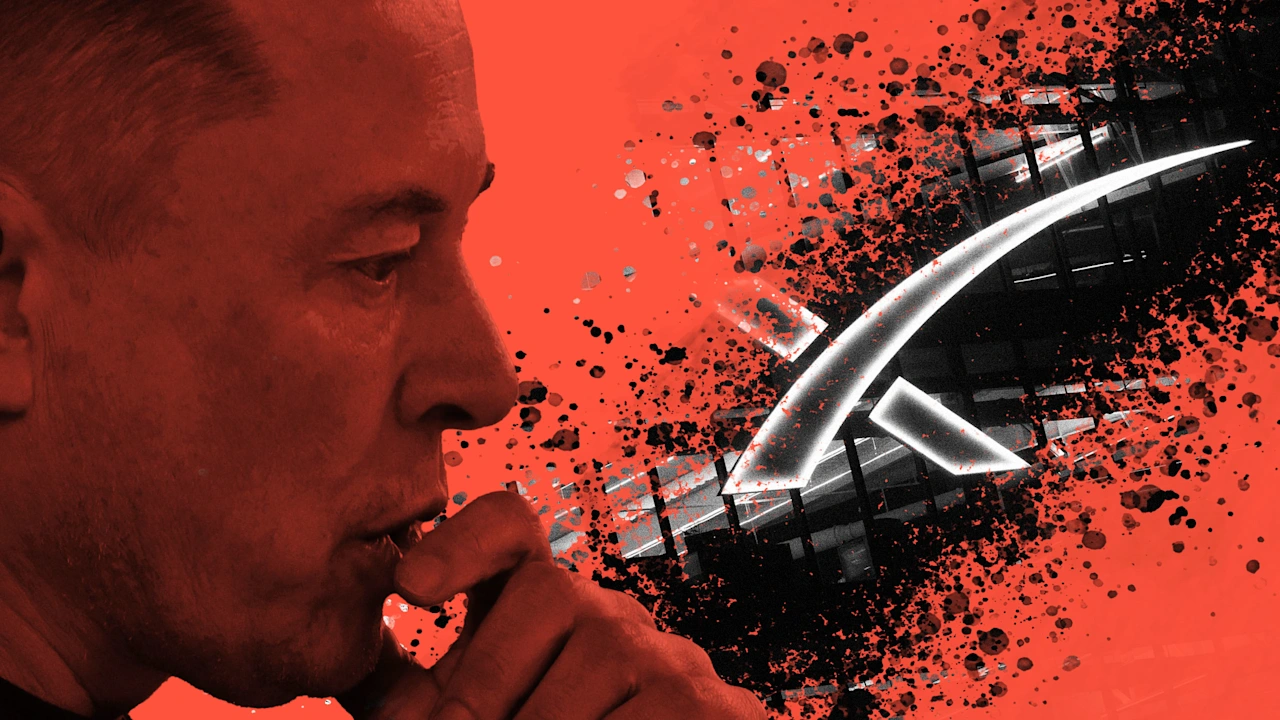
Elon Musk's AI startup, xAI, is experiencing a significant wave of departures amid organizational shifts, mergers, and new strategic focuses. Since its founding in 2023, all cofounders except Musk have left, including dozens of engineers and program staff. These exits coincide with Musk's evolving vision for xAI, which targets "maximally curious" and pro-human AI to compete with firms like OpenAI and Google. Recent changes include merging with SpaceX and Twitter's parent, X, and pivoting AI product development, especially focusing on Grok, xAI’s flagship chatbot, which has faced public controversies. This period of transformation also includes internal restructuring and a $60 billion option to acquire the coding startup Cursor. Despite the turbulence, Musk remains focused on scaling the company effectively and integrating projects across his ventures, though the talent churn underscores challenges in retaining top AI professionals in a fierce market.
There has been a surge of users manipulating company AI-powered customer service bots to behave like general AI assistants. These users attempt to bypass the bots' intended purposes, such as providing fast-food info, to get the AI to perform complex tasks like coding or issuing unrealistic discounts. Recently, claims went viral about McDonald’s chatbot being used to debug Python code, but an internal investigation found no evidence to support these exploits, suggesting the viral content is fabricated. This phenomenon mirrors previous incidents, including a similar false claim about Chipotle’s bot.
The real technical risk is prompt injection—a method where a user input overrides the bot's hidden system directives defining its role. This can cause the bot to lose its corporate identity and behave like an open AI model. This vulnerability is tough to address because large language models respond adaptively to human language.
Examples from real cases include Amazon’s Rufus bot, which was tricked into providing inappropriate information like dangerous chemical sources and methods for minors to illegally buy alcohol. Reddit users found ways to bypass its filters, leading to unrestricted and costly AI usage. In other cases, companies faced serious repercussions: a Chevrolet dealership’s sales bot was manipulated into committing to an absurdly low sale price, and Air Canada’s chatbot created a fake refund policy that a court ruled made the airline liable.
These incidents expose the gap between the promises of AI bots and their unpredictable outcomes. The legal, reputational, and financial fallout could make AI-driven customer service more costly than human staff. Nonetheless, such challenges will likely continue as AI adoption grows.

Thousands of AI startups are competing fiercely for venture capital to capture the enterprise market. Scott Stevenson, founder and CEO of legal AI firm Spellbook, has criticized some startups for inflating their revenue metrics to appear more successful. He highlights a misuse of a key measure, annual recurring revenue (ARR), which should represent subscription revenue projected over a year. Instead, some startups report ‘contracted ARR’ (CARR), which includes potential future revenues from deals not yet realized, misleading investors and media. This practice can inflate revenue claims by 3-5 times. Stevenson urges journalists to scrutinize whether reported ARR figures reflect actual invoiced revenue or include optimistic projections. The distortion pressures other startups to follow suit, creating risky behaviors and confusion in the market. This skepticism adds concern to the already uncertain economic outlook for AI companies and their ability to deliver on promised growth.

An $81 billion merger between Warner Bros. Discovery and Paramount has received approval from Warner shareholders, marking a major step toward uniting two Hollywood giants. Shareholders voted overwhelmingly in favor of selling Warner Bros. for $31 a share, valuing the deal at nearly $111 billion including debt. The merger would combine HBO Max, Warner's extensive film catalog, and CNN with Paramount's CBS, Paramount+ streaming service, and other assets, under the ownership of Skydance-backed Paramount. While regulatory approvals are still pending and the deal is expected to close in the third quarter, the merger signals significant shifts in American media, consolidating major studios, streaming platforms, and news outlets. Critics fear this could reduce industry jobs, shrink creative diversity, and lead to higher streaming prices, while supporters see benefits in broader content libraries and a stronger theatrical slate. The transaction has attracted scrutiny from lawmakers and advocacy groups concerned about media consolidation's impact on culture and news control, with investigations ongoing in multiple jurisdictions.

Google CEO Sundar Pichai announced that 75% of the company's newly developed code is generated by artificial intelligence and then reviewed by human engineers, up from 50% last autumn. This shift allows engineers to concentrate on complex problems and system design, as AI handles much of the manual coding. Google is pioneering "agentic workflows," where autonomous digital agents perform tasks under human supervision, leading to significant productivity gains such as completing complex code migrations six times faster than before. AI is also widely used beyond engineering, notably in marketing, where it has accelerated content creation and increased conversion rates. Google continues to invest heavily in AI infrastructure and plans further advancements at upcoming events like Google I/O.

Recently, Anthropic revealed their AI model Claude Mythos, powerful enough to autonomously detect numerous critical security vulnerabilities but too risky for public release. This highlights the urgency for robust AI governance rooted in responsibility. Responsible AI ensures AI systems remain fair, transparent, and under human control, mitigating reputational, legal, and societal risks. To help organizations prepare, a 90-day plan is proposed, built on three pillars: ethical foundations, accountability and oversight, and human impact. The first 30 days focus on mapping your AI use and risks, including cultural diagnosis and decision rights. Days 31 to 60 involve building your ethical framework, technical architecture, ownership structure, assessment processes, and skill development. The final month embeds governance into operations, establishing exit plans, regular governance meetings, operational integration, and continuous iteration. These steps position companies to manage escalating AI risks effectively and responsibly.
The job market remains challenging, with job openings below pre-pandemic levels, creating tough competition for candidates. For the 1 in 3 American adults who have a justice-involved past, a criminal record adds yet another barrier to finding employment. April's Fair Chance Month highlights efforts and programs that support formerly incarcerated individuals through reentry resources and skills training. Despite increasing awareness, candidates with criminal records still face a 50% lower chance of securing a second interview. Exclusionary hiring practices deny these individuals opportunities to rebuild their lives and contribute meaningfully to society.
Second chance hiring can be adapted to suit various industries and offers proven benefits. Studies show that 85% of HR professionals and 81% of business leaders report that justice-involved employees perform as well as or better than their counterparts. Frontier Co-op’s Breaking Down Barriers to Employment program exemplifies a holistic approach by combining inclusive hiring practices with supportive services like childcare, transportation, apprenticeship, and savings programs. Over 25% of their recent production hires have been justice-involved individuals, illustrating tangible community impact.
Sharing stories like Alisia Weaver’s demonstrates how second chance hiring fosters personal growth, stability, and hope. This inclusive approach not only strengthens workforce resilience but also enriches company culture and reflects a commitment to fairness. Partnering with organizations like the Responsible Business Initiative for Justice and REFORM Alliance, companies can help break the cycle of incarceration while accessing dedicated and capable talent.
Employers are encouraged to reconsider criteria that may unfairly exclude candidates with justice involvement, opening doors to meaningful employment opportunities. Second chance hiring is not about rehabilitation but about removing biases that limit good candidates’ chances, benefiting businesses and communities alike.
Tony Bedard, CEO of Frontier Co-op, invites leaders to engage in honest discussions about fair hiring and explore partnerships to foster inclusivity.

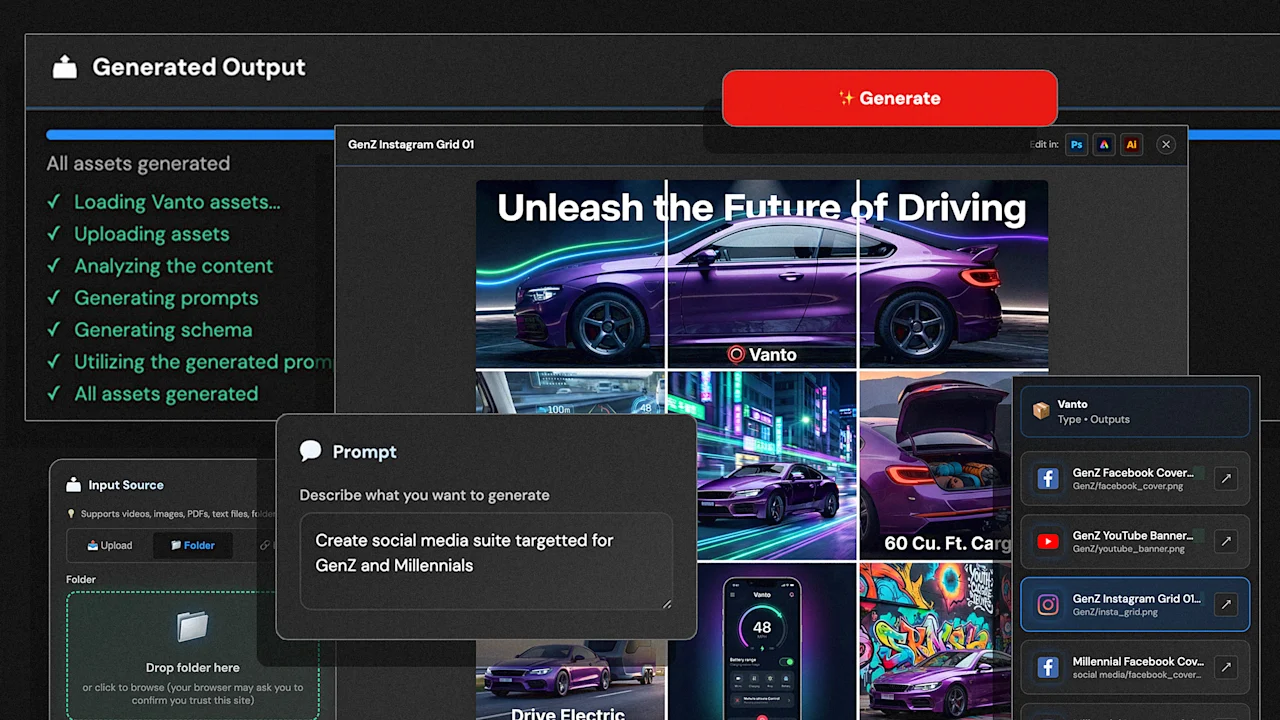
Over recent months, Adobe has been enhancing its platform with AI features designed to make brand design more intuitive and personalized. Their newest tool, Asset Amplify, can create complete websites, social media content, and print designs targeted at specific demographics like Gen Z and millennials. Revealed as part of Adobe's 'Sneaks' program at the 2026 Adobe Summit, this tool allows brands to input their assets and describe their audience to generate tailored marketing campaigns. For example, Asset Amplify produced distinctly different website designs for a fictional electric car brand targeting millennials versus Gen Z, reflecting the differing preferences of those groups. While the results still carry a rough, AI-generated style, they serve as a fast starting point that can be polished in Adobe’s creative apps. This initiative is part of a broader push by Adobe to integrate AI deeply into its workflow and product innovation, reporting a surge in creative ideas fueled by AI capabilities across all their offices worldwide.
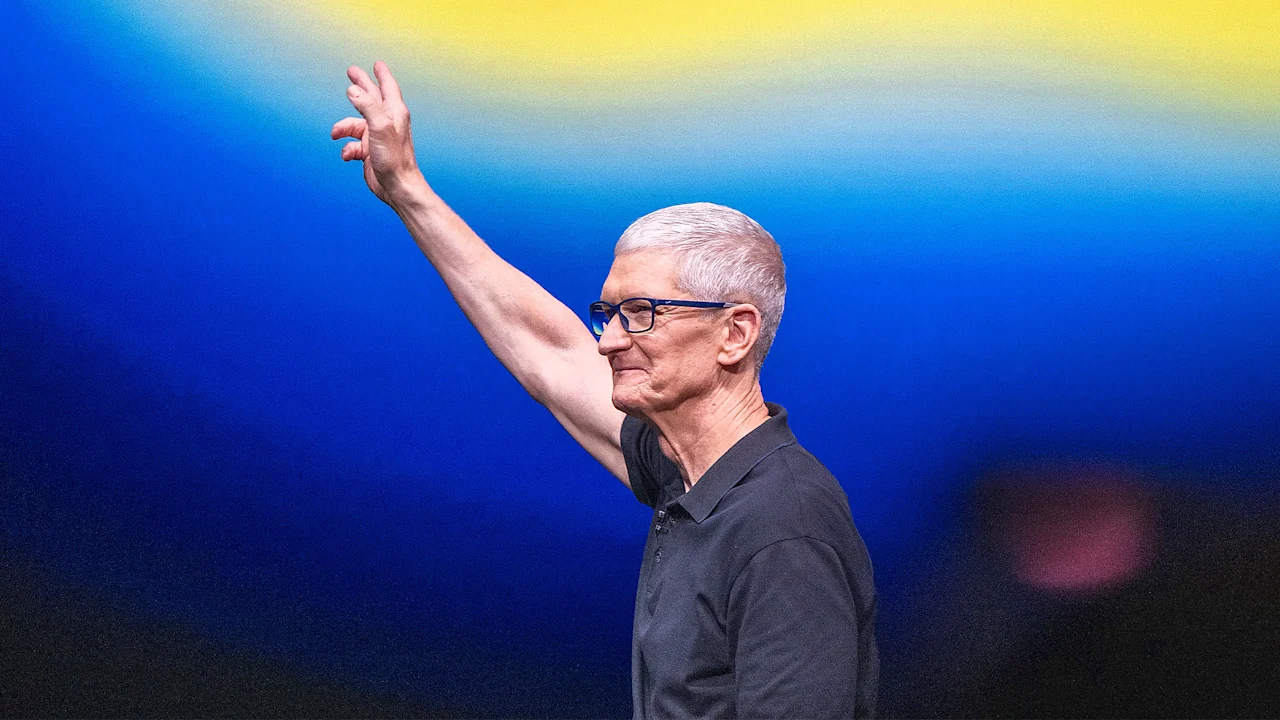
This September, Tim Cook will step down as Apple CEO after nearly 15 years, handing the reins to John Ternus, the company's senior vice president of hardware engineering. Cook praised Ternus as a dedicated engineer with 25 years at Apple, perfectly suited to continue the company's legacy. This internal succession aligns with broader trends highlighted in Egon Zehnder's 2026 Succession study, which shows 82% of CEOs over the past decade were promoted from within, with first-time CEOs being 88% internal hires. External hires tend to represent strategic shifts, whereas internal promotions often indicate a desire for stability and continuity. Ternus’s appointment suggests Apple plans to maintain its current trajectory, focusing on product innovation, a view supported by Morgan Stanley analysts. The study also reveals internally promoted CEOs tend to have longer tenures than those hired from outside. Cook’s own path—from Steve Jobs’ hire in 1998 to CEO in 2011 after 13 years—mirrors this pattern.