In the evolving landscape of marketing, relying solely on great content is no longer enough. Brands now face fierce competition from savvy content creators and algorithm-driven platforms that prioritize user engagement velocity over content quality. Social media algorithms reward content that keeps users scrolling and interacting, often amplifying manipulated content and overshadowing authentic brand storytelling. Strategic brand leaders must develop an algorithmic literacy to navigate these shifts effectively. This means staying informed about platform updates, crafting adaptable content plans, and prioritizing owned channels like websites and community platforms over social media alone. Genuine, audience-centric storytelling remains crucial, especially amidst the rise of rapid AI-generated content. By understanding and leveraging algorithmic behaviors ethically, brands can connect deeply with their audiences, outperform competitors, and sustain long-term relevance. Cardi B's hair care brand, Grow-Good Beauty, exemplifies success through authentic engagement built over years of genuine audience connection.

Higher education faces intense pressure to evolve due to funding challenges, policy shifts, and diminishing public trust, while employers grapple with ongoing talent shortages and skill mismatches. This has propelled the need for practical, outcome-focused collaboration between educators and employers. These partnerships can bolster workforce infrastructure, better align education with labor market demands, and open up career pathways. One pressing issue is the middle skills gap—jobs requiring education beyond high school but less than a four-year degree are left unfilled due to insufficient qualified candidates. Stackable credentials offer a flexible, incremental way to build skills aligned with employer needs, improving hiring and retention while keeping educational programs responsive without full redesigns. Successful models like IBM's P-TECH, Toyota’s FAME program, and Northeastern University’s co-op showcase how intentional collaboration—through co-developed curricula, hands-on experience, and clear pathways—can enhance student outcomes and strengthen talent pipelines. When designed thoughtfully, these partnerships provide tangible benefits for employers and educators alike, creating a more effective, meaningful educational experience that prepares students for success in the workforce beyond the classroom.

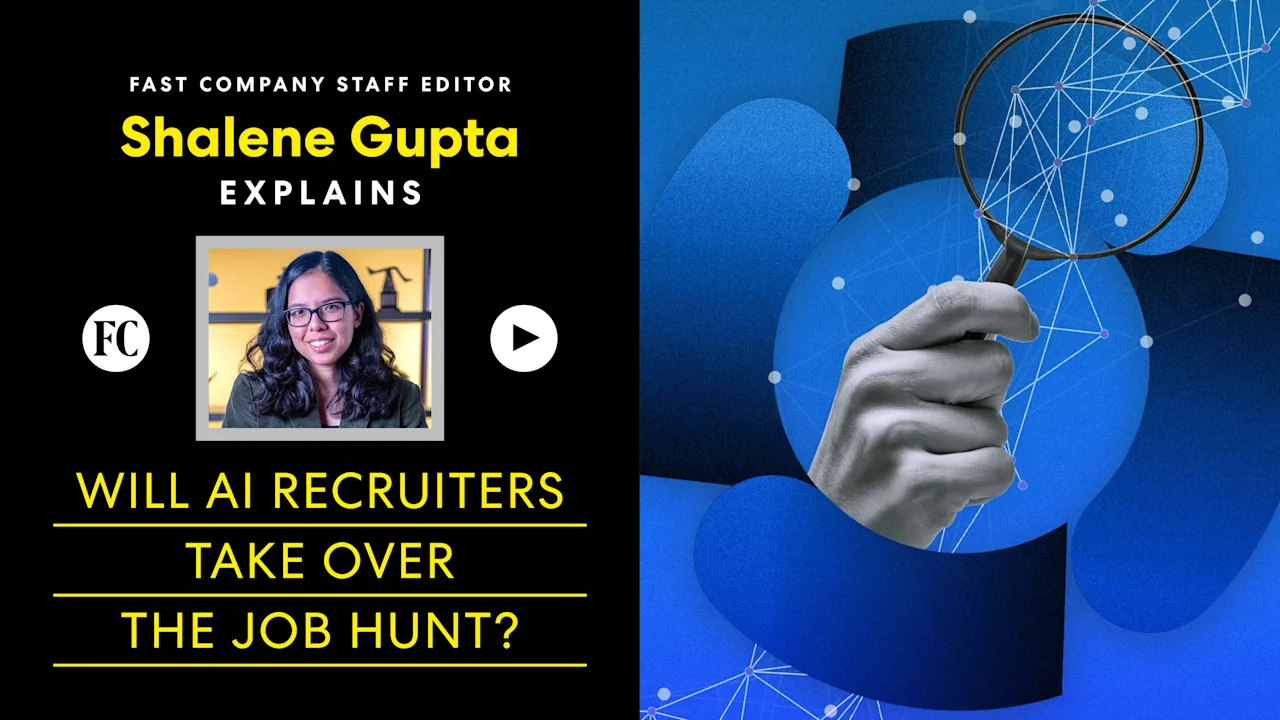
Artificial intelligence is reshaping the recruitment landscape, impacting candidates, employers, and recruiters alike. Innovations such as AI-assisted video interviews and platforms like Paraform, which incentivize recruiters for precise candidate matches, are accelerating changes in hiring. Despite these advancements, the central question remains: Do human recruiters still have an essential role to play?
OpenAI has successfully overcome a legal challenge from Elon Musk, with a jury ruling that Musk's lawsuit was filed beyond the statute of limitations. The judge swiftly confirmed this verdict, ending the case that accused OpenAI of misappropriating assets when it transitioned to a for-profit model. This legal win removes a significant hurdle as OpenAI prepares for a potential public offering, which industry experts anticipate could become one of the largest IPOs in history. Valued at $500 billion after a recent share sale, OpenAI's path to going public is now clearer, bolstered by strong backing from major tech players like Microsoft. Meanwhile, Elon Musk’s SpaceX, a competitor in the AI space after acquiring Musk’s xAI, is expected to launch its own IPO soon. Despite Musk's intention to appeal, the ruling fortifies OpenAI's leadership and diminishes the impact of Musk's previous allegations, allowing the company to concentrate on its market position and future growth.

Back in 2006, Amazon Web Services (AWS) was a novel venture transforming Amazon's internal cloud technology into a groundbreaking business. Initially met with skepticism about profitability, AWS swiftly surpassed expectations, hitting $128.7 billion in revenue by 2025 and becoming the cornerstone of Amazon's profits. Under the leadership of CEO Matt Garman since 2024, AWS has continuously evolved, especially with the integration of advanced artificial intelligence (AI) technologies. AWS pioneered influential platforms like SageMaker for machine learning and recently developed agentic AI tools that streamline complex tasks autonomously. The company’s shift from pure infrastructure to AI-powered business applications, such as Amazon Connect's productivity suite, highlights its commitment to innovation. With custom AI chips and partnerships including OpenAI, AWS supports a vast ecosystem of enterprises, from startups to giants like United Airlines and Capital One, enabling rapid digital transformation. Despite fierce competition from Microsoft Azure and Google Cloud, AWS retains leadership by anticipating customer needs, driving AI adoption, and delivering robust, scalable solutions. As AWS celebrates two decades, AI stands as its most significant growth driver and a defining force for its future.

Great leaders don’t always translate into high-performing teams. Even stellar executive groups can face challenges with alignment, trust, and effective collaboration. Often, when teams underperform, it’s not about individual skill or strategy but about how well the team knows how to work together.
Early in their careers, leaders are often rewarded for individual achievements more than team effectiveness. As they progress, they enter environments where team dynamics become far more crucial. Skills that ensure individual success might actually limit the team’s performance.
Having coached numerous executive teams, I've identified five recurring issues that can cause teams to falter if left unaddressed:
-
Not expressing what truly needs to be said: Teams often avoid difficult conversations, fostering a culture of false harmony that stalls progress instead of driving it.
-
Prioritizing departmental goals over organizational success: When teams focus solely on their own unit’s achievements, it leads to silos and internal competition that harm the broader mission.
-
Unclear goals and roles: Without clarity, teams waste energy on duplicated tasks, avoidable conflicts, and lose valuable momentum.
-
Accumulating 'decision debt': Delays or unclear communication around decisions waste time and stall movement.
-
Underestimating the power of connection: When team members feel isolated and disconnected, trust breaks down, and performance suffers.
Teams that acknowledge these challenges head-on and cultivate open communication, collective goals, decisive action, and meaningful connections are the ones that thrive. Their results transcend individual contributions, creating powerful, sustained success.

Dropbox has embraced a "virtual-first" work model, allowing its approximately 2,100 employees to work remotely from anywhere globally. Melanie Rosenwasser, the company's chief people officer, emphasized that the pandemic disproved the notion that productivity requires in-person presence. She criticizes hybrid work models as "the worst of all worlds," highlighting the challenges of commuting only to attend Zoom meetings while colleagues remain distributed. Dropbox structures collaboration with core hours for meetings and focuses on asynchronous communication for decision-making. The company supports employee well-being through initiatives like "Meet & Move" to combat sedentary tendencies and offering flexible workdays to balance personal and professional life. Amidst a trend of return-to-office mandates, Dropbox’s remote-first stance helps retain global talent and offers a distinct advantage in attracting workers seeking flexibility and avoiding traditional office routines.

Bill Gross, a respected Silicon Valley investor and founder, has launched ProRata, a platform aimed at ensuring publishers and creators receive fair compensation when their work is used to generate AI-driven content. Drawing inspiration from lawsuits like The New York Times vs. OpenAI, Gross designed a patented attribution method similar to Spotify's revenue-sharing model with artists. Although no AI company has yet adopted this system, Gross believes lawsuits and profitability will eventually compel them to share revenues equitably. ProRata has already partnered with 1,500 publishers and offers a spin-off, Gist, to help clients monetize content better through AI-powered site search and related question features. Gross views his approach as a fair and statistically valid method, comparing it to Nielsen ratings accepted by advertisers. He acknowledges AI doesn't truly understand content but has a useful approximation that provides great value. Gross predicts AI will disrupt society, hoping the benefits reach all levels rather than only enriching the wealthy.

Design software company Figma reported a strong first quarter with $333.4 million in revenue, marking a 46% year-over-year growth driven largely by its AI-powered tools. The company recently introduced AI credit limits, which are successfully monetizing tool usage as over 75% of its larger customers purchased additional credits after exceeding their limits. With AI features playing a key role in expanding seat adoption across organizations, Figma raised its 2026 revenue forecast to between $1.422 billion and $1.428 billion, anticipating a 35% growth. Following this update, Figma’s stock price climbed over 9% in premarket trading to its highest since March, though still below its IPO peak last July.

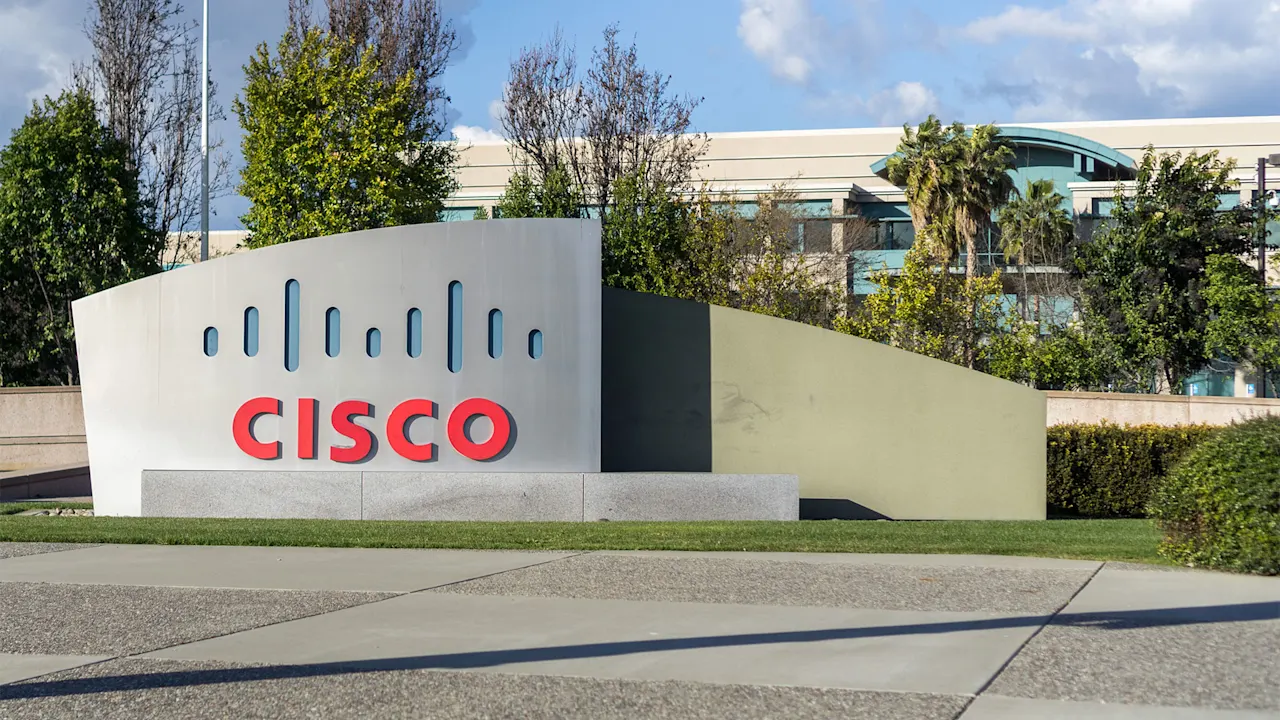
On Wednesday, Cisco Systems revealed its latest quarterly earnings, reporting a strong revenue increase while simultaneously announcing nearly 4,000 layoffs. This move reflects a strategic shift as the company prioritizes investment in areas with the highest demand and potential, notably AI-related technologies. CEO Chuck Robbins highlighted the importance of agility and focus in capturing long-term value and outlined plans to enhance AI integration across the workforce. Despite workforce reductions—which represent under 5% of staff—Cisco’s stock surged over 16%, buoyed by record-high trading and robust financial results. The company posted $15.8 billion in revenue for the quarter, a 12% increase from the previous year, surpassing Wall Street expectations. Cisco is optimistic about continued growth, forecasting up to $16.9 billion in revenue for the next quarter and aiming to exceed $62 billion for fiscal 2026, driven by strong demand for AI infrastructure and networking solutions.