


Artificial intelligence is rapidly transforming the landscape of white-collar jobs, with executive assistants facing significant disruption. Major firms like PwC, Deloitte, KPMG, EY, and McKinsey have begun reducing or relocating assistant roles, influenced by cost pressures and AI-driven automation. Traditionally stable and well-paid, these positions are now vulnerable as AI takes on administrative tasks. Research shows that secretarial roles, heavily populated by women, are particularly at risk and may struggle to transition to new jobs. The impact extends beyond professional services, threatening career pathways especially for non-college graduates who depend on administrative roles as entry points into better-paying white-collar work.

The future impact of AI on software engineering is uncertain beyond the near term, but it is clear that the field will undergo profound transformation within 12-18 months, reshaping industries driven by software. Software engineering has never merely been about typing code; it’s about solving complex problems to create meaningful outcomes. While AI agents can perform many coding tasks faster than humans, they lack the ability to decide what to build and understand business priorities, roles still reserved for engineers. The profession is evolving from specialist coders to orchestrators who manage AI agents, ensuring system resilience and alignment with product goals. This shift requires deeper technical understanding rather than less. Challenges like the loss of entry-level learning roles, skill erosion, and new cognitive demands confront the industry, but the economics suggest demand for engineers will rise due to AI-driven productivity, not fall. AI also broadens engineers’ capabilities beyond traditional software into hardware and cross-domain systems. Most importantly, working with AI agents reignites the fundamental joy of engineering by enabling creativity at unprecedented speed and scale. The future promises a collaborative synergy between humans and AI, expanding the capacity to solve larger problems and increasing the need for skilled engineers.

The past week has highlighted a surge in public skepticism against artificial intelligence (AI), casting shadows over its reputation. Several commencement speeches featured boos directed at AI, a literary award was questioned for probable AI-assisted content, layoffs increased partly due to AI, and AI’s influence sparked political debates about data centers. Adding to the controversy, a new AI-themed book was criticized for fabricated quotes, and the upcoming papal encyclical will address protecting humans amidst AI’s rise.
Public unease is mounting: a recent poll found less than half of Americans support aggressive AI innovation. This distrust now threatens not only AI companies but also any brand perceived as misusing AI. For example, Nike faced criticism for a phrase reminiscent of AI-generated language on its social media, showing how sensitive consumers are to AI’s influence. Public reactions often stem from fears of inauthenticity, as brands risk losing trust when their messaging seems automated or artificial.
The backlash is not new but is intensifying as AI’s role expands. Some brands have taken clear stands against AI, promoting human authenticity—such as iHeartMedia's "Guaranteed Human" pledge, Aerie and Dove’s commitment to non-AI-generated marketing content, and Polaroid's analog-focused campaigns. However, with AI becoming deeply integrated in culture and business, avoiding AI entirely is increasingly challenging. Brands that neither fully embrace nor transparently reject AI could face the greatest consumer skepticism.
Summary: Recent events highlight a rising public backlash against AI, posing a reputational risk to brands associated with AI, particularly if seen as inauthentic. While some brands embrace human authenticity as a selling point, navigating AI’s cultural and business integration presents a complex challenge for brand trust in the future.
At Google's recent I/O developer conference, product VP Tulsee Doshi shared insights on the latest AI advancements powered by the Gemini 3.5 models from DeepMind. She discussed the critical balance between safety and user experience in AI products, emphasizing the importance of trust as users interact more with AI agents. Doshi explained that achieving nuanced responses without compromising on guardrails is a delicate process, and that personas of AI models are evolving to better resonate with users. She highlighted the gradual adoption of AI in enterprises as users gain fluency with these tools, and the significance of trust-building through consistent, verifiable outputs. Doshi also outlined Google's vision of enhancing users' empowerment while maintaining safety and fun elements. The conversation underscored Google's advantage in quality data curation and verification, stemming from its deep experience with search, setting it apart from competitors. Beyond Google’s consumer impact, the interview touched on how AI is transforming business operations and supporting small business growth through improved efficiency and workforce expansion.
In a recent interview with Bloomberg, JPMorgan Chase CEO Jamie Dimon shared insights on how artificial intelligence (AI) is set to reshape employment at the bank. Dimon emphasized that AI's growing role will lead to fewer hiring in traditional banking roles and a stronger focus on AI talent. He acknowledged that AI will inevitably reduce some jobs but highlighted JPMorgan's commitment to retraining and redeploying affected employees, alongside offering early retirement where needed. AI is already integral in JPMorgan’s areas such as marketing, risk management, fraud detection, and document handling, signaling just the beginning of transformative changes. With a substantial $20 billion technology budget and new performance tracking systems for AI use among engineers, Dimon affirmed the bank's dedication to staying competitive and client-focused. The industry-wide push for AI adoption has also resulted in workforce adjustments, as seen with other major firms planning restructures. Dimon stressed society must prepare for these shifts, acknowledging AI will impact roles across skill levels, echoing similar sentiments from peers in banking and other sectors.

AI has undeniably sped up product marketing processes — drafting copy faster, refining personas, and shaping positioning frameworks quickly. However, this speed has sometimes sacrificed depth and insight, resulting in polished but superficial marketing content. The true challenge lies in ensuring AI-generated outputs are rooted in genuine strategic thought rather than generic language.
To elevate your AI-driven marketing, first never assume AI understands your business context. Large language models predict language patterns but don’t grasp your product or market nuances unless you provide detailed, specific information. Clarify your buyer's pain points, your product’s unique value, and recent market changes before prompting AI.
Second, feed your AI with solid evidence — sales transcripts, customer feedback, win-loss data, and competitor analysis — rather than vague or empty prompts. Quality input produces quality output; without context, AI merely automates guesswork instead of sharpening your strategy.
Third, be uncomfortably specific. Don't settle for broad or generic phrasing. Detail your audience, their objections, and what alternatives they're considering. Refine your inputs until the AI’s output is insightful and tailored. Though these steps require extra effort, they ensure your AI tools contribute meaningful, data-backed marketing intelligence.
Skilled marketers combine AI's speed with rigorous discipline, enabling AI to assist in drafting and synthesis but not replace human judgment. For AI to play a valuable role in your marketing workflow, it must be evidence-based and precise — otherwise, it shouldn't influence your messaging.
-- Lisa Larson-Kelley, founder and CEO of Quantious

Intuit announced significant workforce reductions, planning to lay off about 3,000 employees—17% of its global staff—as part of a strategic shift to accelerate AI integration and streamline operations. This restructuring also involves closing key regional offices in Reno, Nevada, and Woodland Hills, California. Impacted employees will receive severance packages, including 16 weeks pay plus additional weeks per year of service. The announcement comes just before Intuit's third-quarter earnings report and amid a broader tech industry wave of layoffs, including at Meta and others transitioning to AI-focused models. Despite these job cuts, Intuit reported strong second-quarter results, with revenue and earnings per share surpassing expectations.

Google's Nano Banana image-generation tool made waves in 2025 for its powerful photo editing capabilities and has since enabled over 50 billion images to be created. Moving beyond one-off uses like simple image or video generation, Google is evolving its Flow platform into a comprehensive creative assistant for artists, filmmakers, and professionals. Flow, enhanced by the Gemini Omni AI model, now offers a collaborative chat interface to storyboard, develop characters, and produce videos while maintaining artistic consistency like camera lens effects. Creators can also customize and share tools within Flow, fostering a community-driven workflow. Initially targeted at filmmakers, Google quickly recognized Flow's broader appeal, now serving marketers, architects, educators, and diverse creatives eager to harness AI-native tools.

In February, Amazon worker April Watson suffered a concussion and was medically advised to slow her pace. Despite doctor's notes, her workplace adjustments were delayed over a month due to reliance on AI assistants instead of direct HR contact, leading to reprimands for both errors and her slower pace. A worker survey by advocacy group United for Respect showed 60% worry about job loss to AI, with 62% especially concerned about HR decisions increasingly managed by automated systems. Both Amazon and Walmart are integrating AI into operations and HR, with workers feeling reduced human interaction and increased pressures, including unrealistic work timelines and inadequate training. Activists are pushing for transparency on these AI applications and protections against automated decisions that affect workers’ futures.
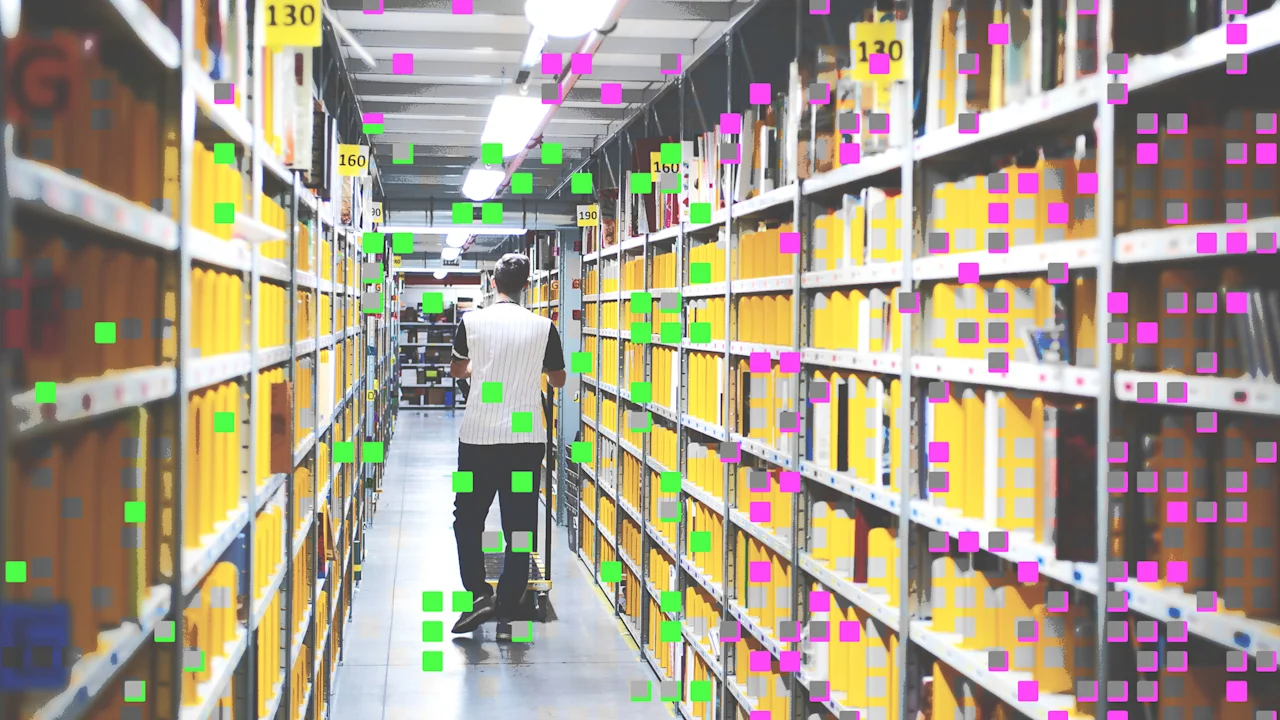
The evolution of travel has been deeply influenced by technological shifts, from browsers to smartphones, each transforming how travelers interact with the industry. Now, AI introduces a new paradigm: a future where travelers may no longer need to visit traditional travel websites. Expedia Group, a pioneer since 1996, has adapted through many phases of change—embracing mobile, consolidating brands, and now preparing for AI-driven disruption. CEO Ariane Gorin highlights a shifting landscape where travelers use AI for inspiration but still prefer trusted brands for bookings, emphasizing the importance of operational trust amidst AI-driven planning tools. Expedia positions itself as the backbone of the travel ecosystem, providing essential infrastructure like booking systems, loyalty programs, and customer service, which remain critical even as interfaces evolve. The company is focused on integrating AI-readiness across its platform while maintaining the complex systems needed to deliver reliable travel experiences. As AI reshapes travel discovery and planning, Expedia’s strength lies in owning fulfillment rather than just the consumer interface. This strategic stance challenges Silicon Valley’s assumption that startups will dominate disruptions, underscoring the value of experience and trust in a service as intricate as travel. Expedia aims to build traveler value, invest in growth, and improve margins while navigating the next chapter of travel defined by technology and consumer trust.
