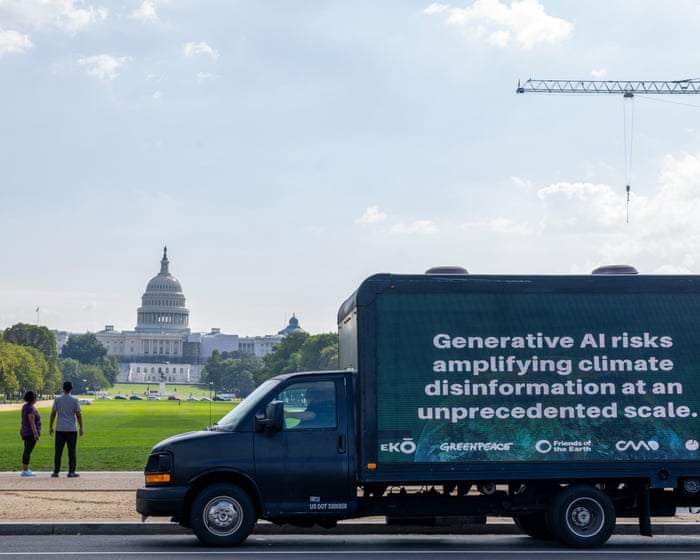
Zillow has decided to discontinue displaying climate risk scores, which were provided by First Street, following complaints from real estate agents that these scores were negatively affecting home sales. This change represents a setback for homebuyers who previously benefited from easy access to important climate risk information through Zillow.

Newly planned data centers are expected to consume significantly more energy than initially anticipated. This rapid increase in demand is being linked by grid operators to rising electricity prices.

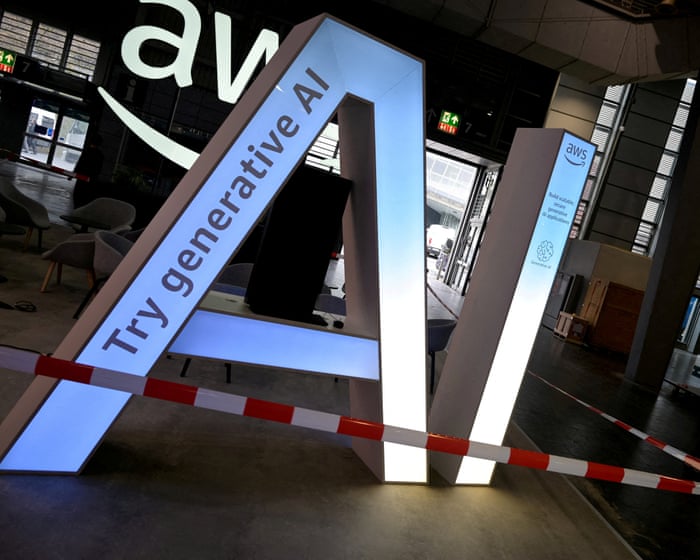
A substantial group of over 1,000 Amazon employees has voiced strong concerns through an open letter about the company's rapid AI development strategy. They warn that the aggressive, cost-driven approach risks harming democratic values, threatening job security, and increasing environmental damage. This collective anxiety follows Amazon's recent announcement of large-scale layoffs coinciding with the company's expanding use of AI in its business processes.
Meta is planning to enter the electricity trading market as part of its strategy to expedite the development of new power plants. These plants are crucial to supplying the energy required for Meta’s expanding data center operations.

Global attitudes toward climate change have evolved significantly over the past ten years, indicating that major shifts in environmental technology and policy are imminent.
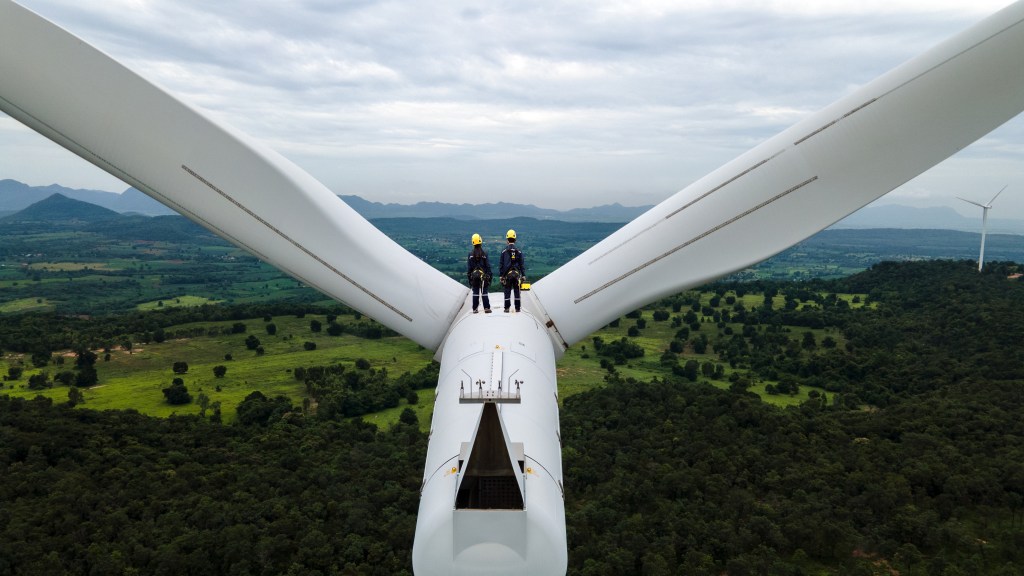

R&D is no longer confined to laboratories. Modern leaders integrate science, strategy, sustainability, and human insight to transform innovations into tangible, real-world benefits.


An expert on corporate community involvement explains how such initiatives attract top talent and boost employee engagement within companies.

Toyota announced a plan to invest up to $10 billion in the United States over the next five years, focusing on expanding its hybrid vehicle offerings in the American market.

Data centers are contributing to unprecedented electricity demand, prompting warnings from the North American Electric Reliability Corporation that a severe winter storm could overwhelm the power grid and cause blackouts.

While AI is commonly criticized for consuming huge amounts of electricity to generate low-value content, some experts at a major UN climate summit suggest a different perspective. They propose that AI has potential not only to avoid increasing greenhouse gas emissions but also to be harnessed as a tool to address the climate crisis. This debate highlights the dual role AI technology could play in either worsening or helping solve environmental challenges.