


Advocates argue that AI holds potential to combat the climate emergency, yet its rapidly growing energy and water consumption raises significant concerns among experts. At a Memphis sunset, Sharon Wilson used thermal imaging to reveal the environmental impact of AI infrastructure, highlighting methane emissions from gas turbines powering Elon Musk’s prominent AI data center. This facility reportedly releases more methane—a potent greenhouse gas—than a large power plant, underscoring a serious, often invisible, pollution problem associated with AI expansion.


Despite a challenging year, venture capitalists remain hopeful about the future of climate technology. The growing demand from data centers for electricity, manufacturing, and materials is a key factor sustaining optimism in the sector.


Artificial intelligence is revolutionizing healthcare, national defense, and logistics, yet this surge in innovation demands far more from our energy infrastructure than it can currently support. While AI drives unprecedented power demand, it also equips us with smarter tools to optimize usage, stabilize electric grids, and unlock existing energy capacity. To keep pace, we must rethink energy as a strategic resource, leveraging AI not just to meet increasing needs but to manage them efficiently through collaboration and innovation. Aging infrastructure in regions like the U.S. struggles to keep up, leading to delays and capacity shortfalls that threaten national security and economic competitiveness. By shifting focus from raw consumption to intelligent utilization, AI provides capabilities like precise demand forecasting, predictive maintenance, and dynamic energy management that help companies build resilient, cost-effective systems. Industry leaders—from utilities balancing supply-demand in real time to manufacturers automating energy use—are proving the benefits of these smarter approaches. Breaking down barriers between utilities, regulators, businesses, and governments is crucial for transparent planning and shared problem-solving. Together, these efforts can build a cleaner, faster, and more reliable grid to underpin future innovation. The key is not just technology, but joint commitment to treat energy as a valuable asset and to collaborate across sectors for sustainable progress. Chris Crosby, CEO of Compass Datacenters, highlights this as a defining opportunity for our time.


This company is pioneering a solution that converts plastic waste into a sustainable source of renewable energy, offering a promising answer to the growing plastic pollution crisis.


This year has been a rollercoaster for cleantech investment. While the broader economic landscape shows strong support—with global clean technology spending set to reach $2.2 trillion and venture capital at an all-time high—actual funding for cleantech startups took a hit, falling to the lowest point in five years with just over $24 billion invested. The year started slowly, partly due to political uncertainties affecting U.S. policies, but investment picked up in the later quarters.
Despite a sluggish start, several sectors drew significant funding, notably nuclear power (both fusion and fission), geothermal energy, energy storage, and electric aviation. Some major funding rounds include Base Power’s $1.2 billion for residential battery backup and Commonwealth Fusion’s $863 million toward commercializing fusion energy. While battery investments slowed somewhat, companies focused on innovative battery storage and recycling still secured substantial backing.
The year’s end shows promise, with investment momentum climbing, highlighting optimism for the cleantech sector’s future amid growing environmental urgency and advancing technology demands.

Starting in 2027, Whole Foods plans to equip its stores with AI-powered food recycling systems that transform food waste into chicken feed, aiming to reduce waste and promote sustainability.


The landscape of corporate sustainability is shifting in 2025, reflecting diverse and evolving trends that are influencing how companies approach environmental and social responsibilities.

The surge in electricity demand from U.S. data centers presents a complex challenge for state utility regulators. Unlike traditional large electricity consumers like textile mills, which align their construction timelines with new power plants, modern data centers are built rapidly, forcing utilities to anticipate and invest in infrastructure well in advance. This leads to uncertainty and risk regarding how much power will actually be used. States are experimenting with various approaches to allocate costs fairly among utilities, data center operators, and other consumers. Kentucky is requiring proof that new plants will be needed before approving them; Ohio uses a 'demand ratchet' system charging based on peak usage to stabilize payments and requires credit guarantees to mitigate financial risks. Flexibility in data center energy use offers potential benefits if profits from smart energy use are shared. As the electrical grid evolves to meet these new demands, finding equitable cost-sharing solutions remains critical.

Microsoft has purchased 3.6 million metric tons of carbon removal credits from a bioenergy facility as part of its efforts to meet its 2030 goal of achieving net-negative carbon emissions. The expansion of Microsoft's data centers has increased its carbon footprint, making these carbon removal credits essential to offset emissions and fulfill its sustainability commitments.
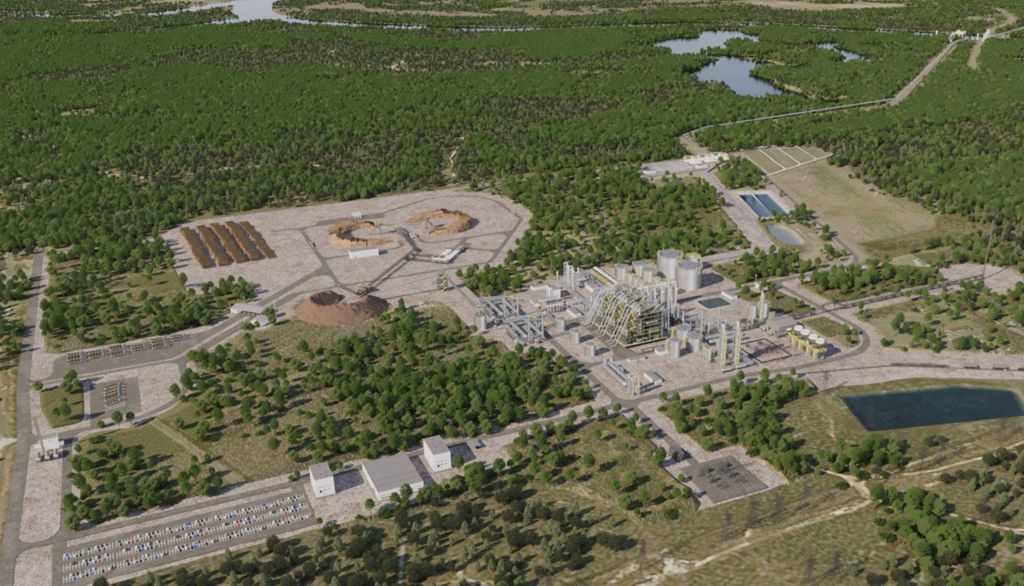
Fervo Energy, a geothermal startup supported by Bill Gates and Google, harnesses heat from deep underground rocks to generate renewable electricity, aiming to revolutionize clean energy production.
