The White House has requested that OpenAI and Anthropic withhold sharing their latest AI models with the UK's testing authorities until a thorough review by the US government is completed.
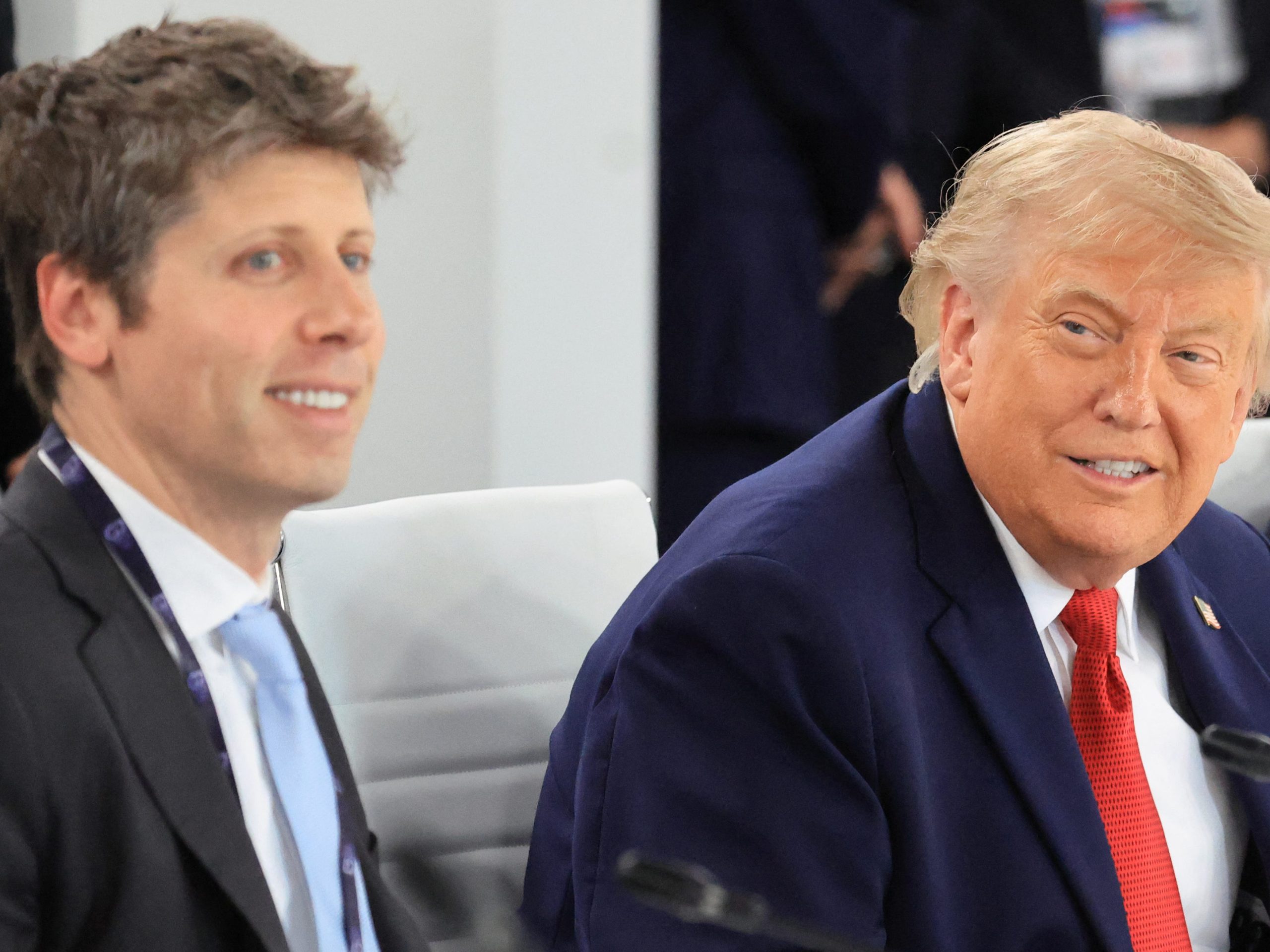

Anthropic has entered into a significant seven-year contract worth $11.6 billion to utilize Akamai's cloud infrastructure, as announced by Akamai after the US market closed on Thursday. The agreement includes an option to expand by an additional $9 billion, potentially raising the total value to approximately $20 billion. Additionally, Akamai has granted Anthropic a warrant for 7.7 million shares on an as-converted basis, representing a 5% equity stake in Akamai.
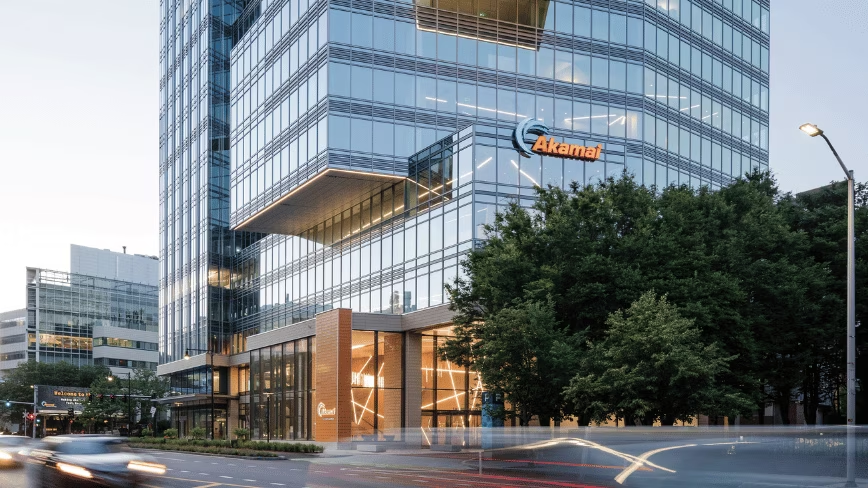
OpenEvidence, known as the 'ChatGPT for doctors,' has secured nearly $800 million in funding over the past year. This impressive capital influx comes from prominent investors including Nvidia, Thrive Capital, Kleiner Perkins, a16z, and Sequoia Capital, leading to a $15 billion valuation for the startup.

Radiology is witnessing a transformative shift as practices increasingly integrate AI by developing and deploying it internally. These 'AI-native' radiology services are reshaping the landscape, blending technology creation directly with clinical application and establishing a new standard in medical imaging.

A recent survey conducted by Dataiku highlights a significant challenge facing chief information officers (CIOs): over 80% admit they do not have full visibility into AI agents being developed by their teams outside of officially sanctioned IT systems. The survey, which included responses from 685 CIOs and was carried out online by The Harris Poll between July 9 and 29, emphasizes concerns about governance and oversight in the growing use of AI within organizations.


Australia's government is probing whether OpenAI's hacking incident on a government health website violated laws. This marks the first known security breach impacting a government agency. The prime minister has pledged to ensure OpenAI is held responsible for the incident.


This year marks a surge in hefty Series A funding rounds for top startups, with over 114 rounds exceeding $100 million globally, according to Crunchbase. Collectively, these startups have raised around $33 billion, including 12 rounds worth $500 million or more. The spike is largely driven by AI-focused ventures, making up over 70% of these mega Series A rounds. Notable deals include River AI's $1.2 billion raise and Xpeng Robotics' $900 million financing. US startups dominate half of these large rounds, tallying $15 billion and setting new records in 2026. Investors with large reserves are aggressively backing promising sectors and teams early, betting big on potential winners.

Bessemer Venture Partners has announced a new $5.75 billion fund focused on investing in AI-native companies, which they believe are expanding faster than any other technology sector in history.

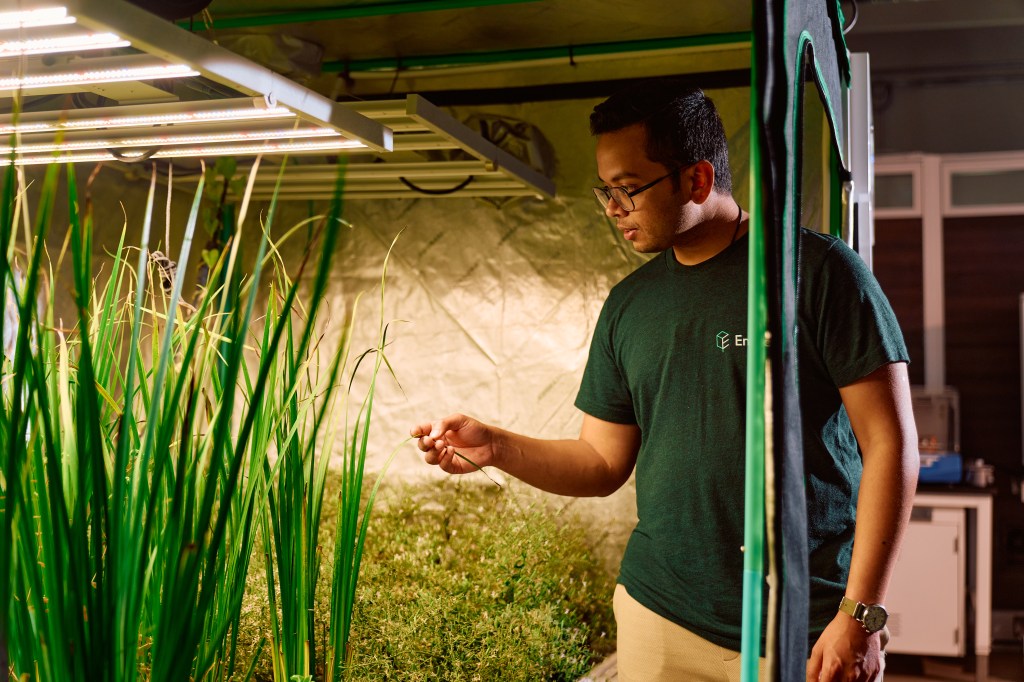
Enveda has secured $311 million in funding, valuing the AI-driven biotech company at $2 billion. The company is advancing clinical trials for drugs targeting skin conditions and weight maintenance after discontinuing GLP-1 therapies.
The United States has taken a firm stance against the idea of a unified global governance model for advanced artificial intelligence. Speaking at the UN Security Council in New York, Michael Kratsios, director of the White House Office of Science and Technology Policy, emphasized that the regulation of AI technology should be handled individually by each nation. His statement came following briefings from experts in science and industry during the session.