


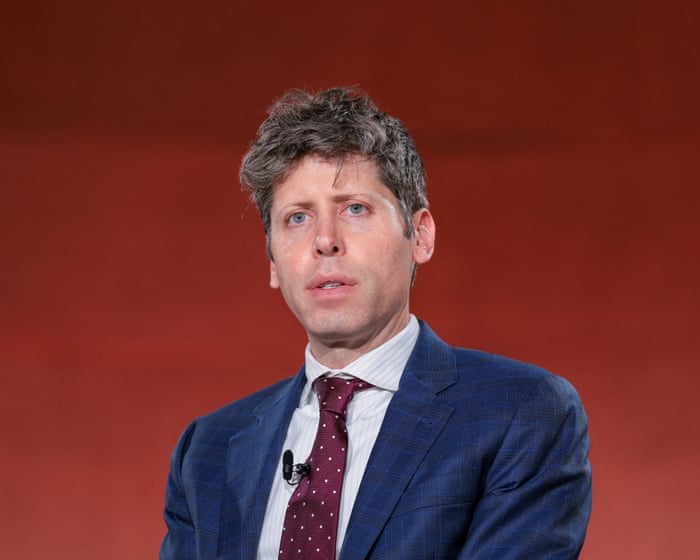
As OpenAI prepares for a possible stock market debut this year, the leading AI company, valued at $850 billion, must focus on generating profits. Despite being a key player in the AI surge, the company faces scrutiny over its wide-ranging investments and business strategy. OpenAI, known for ChatGPT, plans to spend $600 billion on infrastructure by 2030, a cut from previous $1.4 trillion projections, signaling a shift toward financial discipline.

The surge in investment toward artificial intelligence marks one of the most significant capital shifts in recent technology history, with global venture capital funding surpassing $258 billion in 2025, making up 61% of global investments. Yet, despite this influx of capital, there remains a pressing concern among investors and business leaders regarding the measurable financial returns and the substantive impact AI developments are delivering across sectors.

Berlin-based Midas, a platform known for tokenising institutional investment strategies, has raised $50 million in a Series A round. Having facilitated over $1.7 billion in asset issuance and gaining EU regulatory approval to serve retail investors, Midas plans to use the funds to introduce Midas Staked Liquidity. This new liquidity layer aims to make instant redemptions a standard feature for on-chain investment products, addressing one of the key challenges in tokenised finance.


Paris-based AI company Mistral has raised $830 million in debt funding to develop advanced data centers across Europe. The firm aims to achieve a total capacity of 200MW by 2027, beefing up its infrastructure to support cutting-edge AI operations.


Recently, VC firm P101 published the tenth edition of its "State of Italian VC" report, highlighting the growth and ongoing challenges within Italy’s innovation ecosystem. With over 14,000 tech companies fueling the sector, the ecosystem has expanded remarkably, now driving €10 billion in venture capital activity. However, despite this progress, persistent structural issues continue to limit further potential and scalability in the market.


A decade after transforming retirement plans for small and medium businesses, Guideline has joined forces with Gusto. Co-founder Kevin Busque reflects on the crucial early decisions and strategic pivots that paved the way for the startup's successful acquisition.


In a surprising move amid their intense competition, the CEOs of Kalshi and Polymarket have joined forces to establish 5(c) Capital, a $35 million venture capital fund aimed at fueling innovation in the rapidly growing prediction markets sector.

Credo Ventures, with offices in Prague and Krakow, has secured $88 million in its fifth fund, Credo Stage 5, in a single closing. Known for early investments in companies like UiPath and ElevenLabs, the firm is intensifying its focus on pre-seed investments in Central and Eastern Europe, as well as among the global diaspora. With a team of six partners, Credo typically invests checks ranging from $1 million to $5 million to support ambitious founders in the region.

Larry Fink, CEO of BlackRock, has cautioned that the rapid rise of artificial intelligence may deepen economic disparities. According to Fink, only a select number of companies and investors are positioned to benefit financially from AI's expansion. In his annual letter to investors, the head of the $14 trillion asset management firm highlighted the risks tied to AI's exponential development, noting its role in global strategic competition, especially between the US and China.


The healthcare crisis in the U.S. is driven by escalating costs, coverage shortfalls, overwhelming medical debt, and restricted access. While nonprofits and companies are implementing creative solutions, experts warn the crisis will worsen without significant federal policy reform. Nonprofits like Undue Medical Debt have relieved $27 billion of medical debt for millions by buying debt at a fraction of its value, yet the growing debt burden remains concerning. State-level protections offer some relief but are only stopgap measures. Federal policy cuts, such as a $1 trillion reduction in Medicaid funding over the next decade, threaten to increase overall healthcare expenses, impacting employers and employees alike. Companies like Lantern are helping reduce specialty care costs by guiding members toward affordable, high-quality options. Legal advocacy also plays a critical role; the ACLU has successfully challenged policies in the courts, emphasizing the power of collective voices in pushing for change. Business leaders are urged to advocate actively to safeguard and improve the healthcare system.
