Quantinuum, the quantum computing firm spun off from Honeywell and valued at $10 billion in its last funding round, filed a preliminary S-1 registration statement with the SEC in February in preparation for an initial public offering in the United States.
Meta is pioneering an AI version of its CEO, sparking discussions about the implications for corporate management, the dynamics of trust, and the possibility of executives automating their roles. This innovation challenges traditional leadership models and invites debate on the future of executive responsibilities.
Robinhood Ventures Fund I, which launched its trading on the NYSE in March, has invested $75 million to acquire shares in the artificial intelligence company OpenAI. This move places Robinhood alongside notable investors like Databricks, Revolut, and Stripe in backing the AI firm.
JPMorgan Chase reported a robust net income of $16.5 billion, driven by increased trading and investment banking revenues. Despite the strong performance, the bank revised its full-year interest income forecast downward. CEO Jamie Dimon highlighted potential economic risks ahead, urging caution.

According to projections from Emarketer, Meta's net advertising revenue is expected to reach $243.46 billion in 2026, surpassing Google's forecasted $239.54 billion. This marks a significant milestone as Meta closes the gap to become the leading digital ad platform globally for the first time.

Stanford's yearly analysis provides a comprehensive overview of the AI sector, covering financial investments and public sentiment towards the technology.

TSMC, the world's leading chip manufacturer, surpassed expectations with a 35% increase in revenue year-over-year. This impressive growth comes despite challenges posed by the conflict in Iran, which raised concerns about the stability of supply chains.
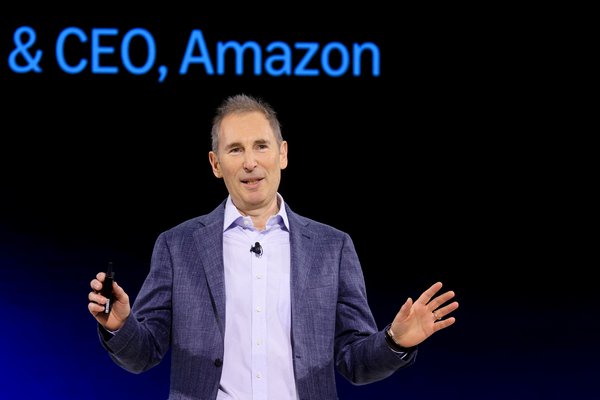
In his annual letter to shareholders, Amazon CEO Andy Jassy emphasized the company's commitment to AI by stating they're not making a $200 billion capital expenditure in 2026 based on guesswork.
COO Brad Lightcap has transitioned to a special projects role at OpenAI, while product chief Fidji Simo has taken medical leave to focus on a neuroimmune condition. These adjustments come as the company adapts its leadership to support ongoing projects and executive health needs.
Visa, the payments leader, reports a 35% increase in credit card charge disputes since 2019. This surge has led to billions in unnecessary losses for both merchants and banks. To tackle this, Visa is deploying AI technology to streamline the dispute resolution process, aiming to reduce costs and improve efficiency.