Fernando Dias Silva/Getty Images
How should brands handle negative feedback from customers? Recent research published in the Journal of Consumer Psychology suggests that brands can sometimes benefit from embracing the very insults aimed at them. Researchers Katherine Du, Lingrui Zhou, and Keisha Cutright studied the strategy of "reappropriating" insults—deliberately adopting a negative label given by others. For example, when the Carolina Hurricanes hockey team were called "a bunch of jerks" by a commentator, they put the phrase on merchandise, which led to over $875,000 in sales.
Through three studies, the researchers found that reappropriating insults can increase customer interest. In one test, a fictional electronics store featured a Facebook ad that turned a one-star review into a proud slogan, resulting in a 7.12% click-through rate compared to 5.62% when the insult was denied. This approach works because consumers see the brand as more humorous and confident.
However, this tactic has limits. It fails when the insult targets a vulnerable person, when the criticism is legitimate (such as for a faulty product), or when it involves serious moral accusations. Essentially, reappropriation succeeds only with unjustified, harmless insults that do not mock the vulnerable.


Merrell introduces its first global brand platform that promotes nature as a sanctuary for individuals feeling overwhelmed by the fast pace and digital pressures of modern life.


In today's AI-enhanced market landscape, focusing solely on viral successes is no longer a viable approach. Instead, businesses need to develop a reliable marketing system that consistently delivers meaningful progress and measurable outcomes.

Discover the basics of answer engine optimization and learn how to organize your content to become a reliable reference for AI platforms.


Concerned that AI might edge you out in marketing? This article reveals essential skills gaining importance in the AI era, practical tips to maintain your edge, signs you're not keeping up, and expert forecasts on marketing trends through 2026.

Alice Mollon/Ikon Images
Implementing a data-centric method to gauge and enhance customer experience (CX) is essential for organizational success. However, the overwhelming number of CX metrics—often running into the hundreds—complicates management and application of insights across the customer journey. Modern customers frequently encounter CX surveys shortly after interactions like purchasing or service calls, yet businesses sometimes collect metrics without strong relevance to improving CX outcomes.
This challenge was highlighted through our collaboration with 14 subscription service companies, where we identified which CX metrics truly impact key outcomes like churn and net promoter score (NPS). By focusing on a selective set of metrics—spanning customer perceptions, operational efficiency, and financial impact—and aligning them carefully with the customer journey stages, companies can reduce redundant or low-value measures. This not only lowers costs but also combats survey fatigue among customers.
Our statistical analysis revealed that certain call center metrics, such as IVR deflection rate, strongly predict customer satisfaction, while others like service level and call transfer rates offer little insight and could be eliminated. Mapping these metrics to onboarding stages—from prepurchase through post-purchase—clarifies how customers’ knowledge, attitudes, and behaviors evolve, helping companies tailor CX efforts more precisely.
Ultimately, refining the CX metrics portfolio empowers companies to concentrate on meaningful data, optimize resource use, enhance employee understanding, and improve customer relationships through targeted strategies. This approach encourages a culture focused on customer needs rather than just operational efficiency, facilitating better business outcomes across industries.

TikTok and Major League Baseball (MLB) are expanding their global partnership to deliver exclusive content, increase creator involvement, and launch a player engagement initiative. This collaboration aims to deepen fan interaction and grow the baseball community through enhanced digital offerings and unique experiences.


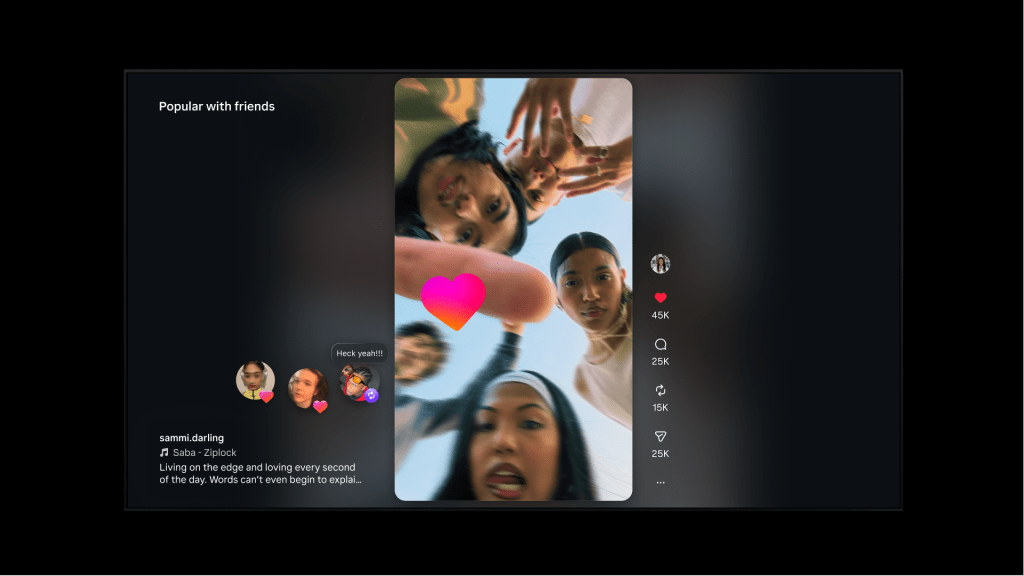
Instagram is enhancing its TV presence by launching its app on Google TV devices, featuring Reels to attract viewers. This move aims to challenge YouTube’s stronghold on TV streaming by offering short, engaging video content in a familiar TV format.

In today's fast-paced world, the true edge lies in attentively hearing what customers have to say and building their trust above all else.


Luxury brands are defined by exclusivity, artisan craftsmanship, and premium pricing. Gucci’s recent use of AI-generated images for its Primavera Fashion Show advertising, however, has sparked criticism. The AI ads featured surreal, computer-created images that disappointed many fashion enthusiasts who expect traditional, high-quality craftsmanship in every aspect of the brand—including its marketing.
While AI can be cost-effective compared to traditional photo shoots, many consumers feel it undermines Gucci’s luxury identity. Online reactions ranged from disappointment to outright rejection, suggesting that luxury consumers expect a higher standard that AI-generated content fails to meet. This backlash highlights the risk luxury brands face when trying to cut corners in their advertising efforts.