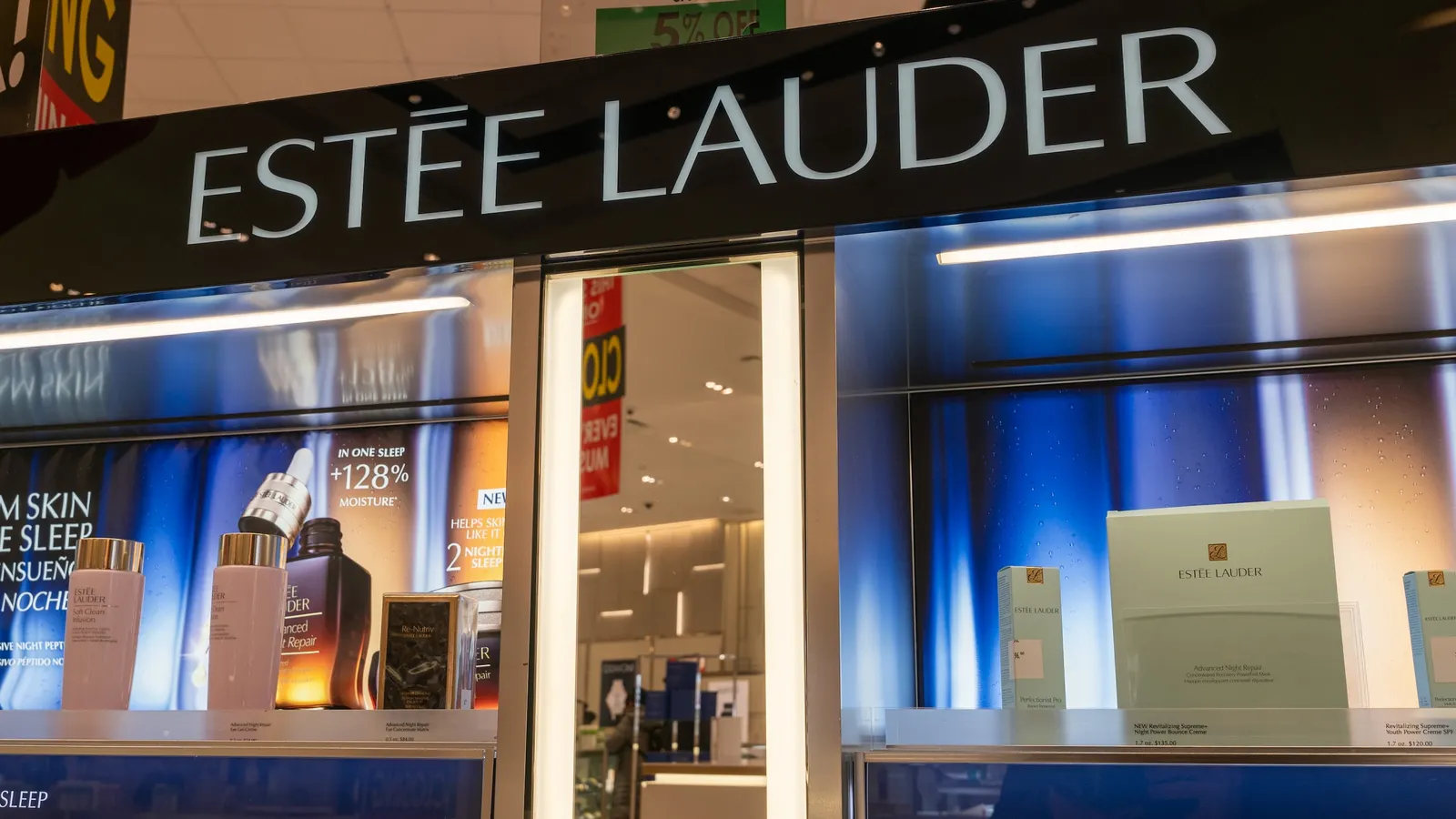
Estée Lauder has chosen WPP as its first-ever global media partner, aiming to enhance media efficiency and effectiveness. This strategic collaboration underscores the ongoing Beauty Reimagined initiative, marking a significant step towards centralized media management and improved advertising impact.

The Trade Desk introduces new buying methods that combine costs and streamline automation, revolutionizing how advertisers make purchasing decisions and what information is accessible to them.

In the third quarter, CNN intends to pilot testing on one or two of its properties to evaluate how large language models interpret them. Following this, in the fourth quarter, the focus will shift to analyzing buyer behavior and assessing whether advertising budgets are directed towards agent-to-agent trading trials.


Almost 20% of consumers who have interacted with AI-powered customer service found it unhelpful, experiencing a failure rate four times higher than AI applications in other areas.

For over twenty years, digital discovery has followed a straightforward process: search, scan, click, decide. This worked well when humans were the primary web searchers. However, with AI agents increasingly becoming the main consumers of online information, this approach is evolving. A new paradigm called Answer Engine Optimization (AEO), or Generative Engine Optimization (GEO), is emerging. Unlike traditional SEO, which focuses on rankings and clicks, AEO measures success by how well content is understood, selected, and cited by AI systems.
AI agents analyze user intent with context and memory from past interactions, requiring content to be concise, structured, and clear. The model has shifted from "search, read, decide" to "agent retrieves, agent summarizes, human decides," with agents often handling downstream tasks too. This means traditional SEO methods are no longer sufficient; enterprises must adapt to this new discovery layer.
Developers are already benefiting from AI agents in everyday workflows, using them for faster, more efficient research and synthesis tasks. These tools reduce manual searching and deliver more relevant, actionable outputs. Despite some challenges with data access and reliability, deep mastery of a single AI platform yields the most benefits.
Enterprises must prepare for a world where AI agents decide source citations. Content needs to be conversational, authoritative, regularly updated, and structured with clear headers and FAQ schemas. Building a strong brand presence on key platforms like Reddit, YouTube, and industry forums is essential, as is creating original, expert-backed content that AI models can cite.
Ultimately, success in this AI-driven landscape hinges on producing valuable content that genuinely meets user needs and earning the reputation of being a reliable source for AI-powered search results.


In 1986, Toyota's design branch, Calty, crafted a replica American dining room in Japan to teach its executives more than just the physical difference in size between Japanese and American people. The setup—a spacious dining table with six chairs far apart—highlighted Americans' preference for roominess, luxury, and comfort, reflecting cultural values like individualism compared to Japan's collective mindset and space restrictions. This experience helped the executives understand American consumers' expectations and ways of thinking, which was key to Toyota's success in the U.S. market. This story serves as a powerful reminder to any leader or business aiming to enter new markets: to truly connect with customers, one must appreciate their cultural context and lifestyle, essentially stepping into their shoes and experiencing their world firsthand.

These customer-centered indicators help identify genuine product-market fit, preventing premature confidence based solely on growth numbers.

P&G has announced a multiyear sponsorship agreement with the WNBA, featuring prominent brands such as Olay, Secret, and Downy. This partnership comes as the league enjoys record-breaking viewership, highlighting P&G's strategic focus on supporting women’s sports.

Marketing leaders often face significant challenges in obtaining timely and cost-effective consumer insights, traditionally requiring months and substantial budgets. Recent advances in generative AI, particularly large language models (LLMs), are reshaping this landscape by dramatically accelerating research timelines and enhancing qualitative and quantitative methods. AI enables rapid concept testing using synthetic consumer "digital twins," supports large-scale qualitative data analysis, and automates routine tasks such as survey drafting and data visualization. This transformation not only reduces costs but also allows for more frequent, iterative studies aligning with fast-paced decision cycles. Furthermore, integration techniques like retrieval-augmented generation help unify siloed data, creating richer, more dynamic insights. Despite these gains, human expertise remains crucial for guiding research design, ensuring quality, and interpreting AI-generated data. The partnership between human judgment and AI promises a new era of efficient, insightful marketing research, albeit with important considerations around bias, data authenticity, and the evolving role of marketing professionals.

For over twenty years, digital discovery revolved around a straightforward process: search, scan, click, and decide. This worked well when humans conducted web searches, but AI agents have changed the landscape. These agents consume information differently, leading to a new focus: Answer Engine Optimization (AEO), or Generative Engine Optimization (GEO). Unlike traditional SEO, which values rankings and clicks, AEO prioritizes whether AI comprehends, selects, and cites content. This shift means enterprises must rethink their strategies.
AI agents don't browse like humans; they analyze user intent with persistent context and require concise, structured content. The interaction now includes agents retrieving and summarizing information, shifting emphasis from clicks to citations. Experts highlight that AEO extends SEO by making citation and recognition more important than page rank.
Developers already benefit from AI agents for tasks like research and sales preparation, which these tools simplify and speed up significantly. However, challenges remain with accessibility and reliability due to website restrictions.
For enterprises, competing in an AEO-driven world requires content to be conversational, authoritative, fresh, and well-structured, supported by strong brand presence on platforms influential in AI training datasets. LLM-referred traffic converts at a significantly higher rate (30-40%) compared to traditional SEO or paid channels. Businesses not adapting risk invisibility in AI-mediated searches.
Practical steps include engaging on high-impact forums like Reddit, building YouTube presence, investing in digital PR, and aligning content with AI citation preferences. Quality, expertise, and trustworthiness remain vital, with original long-form content favored. Ultimately, success hinges on focusing on user needs and ensuring content is genuinely helpful rather than trying to game AI systems.