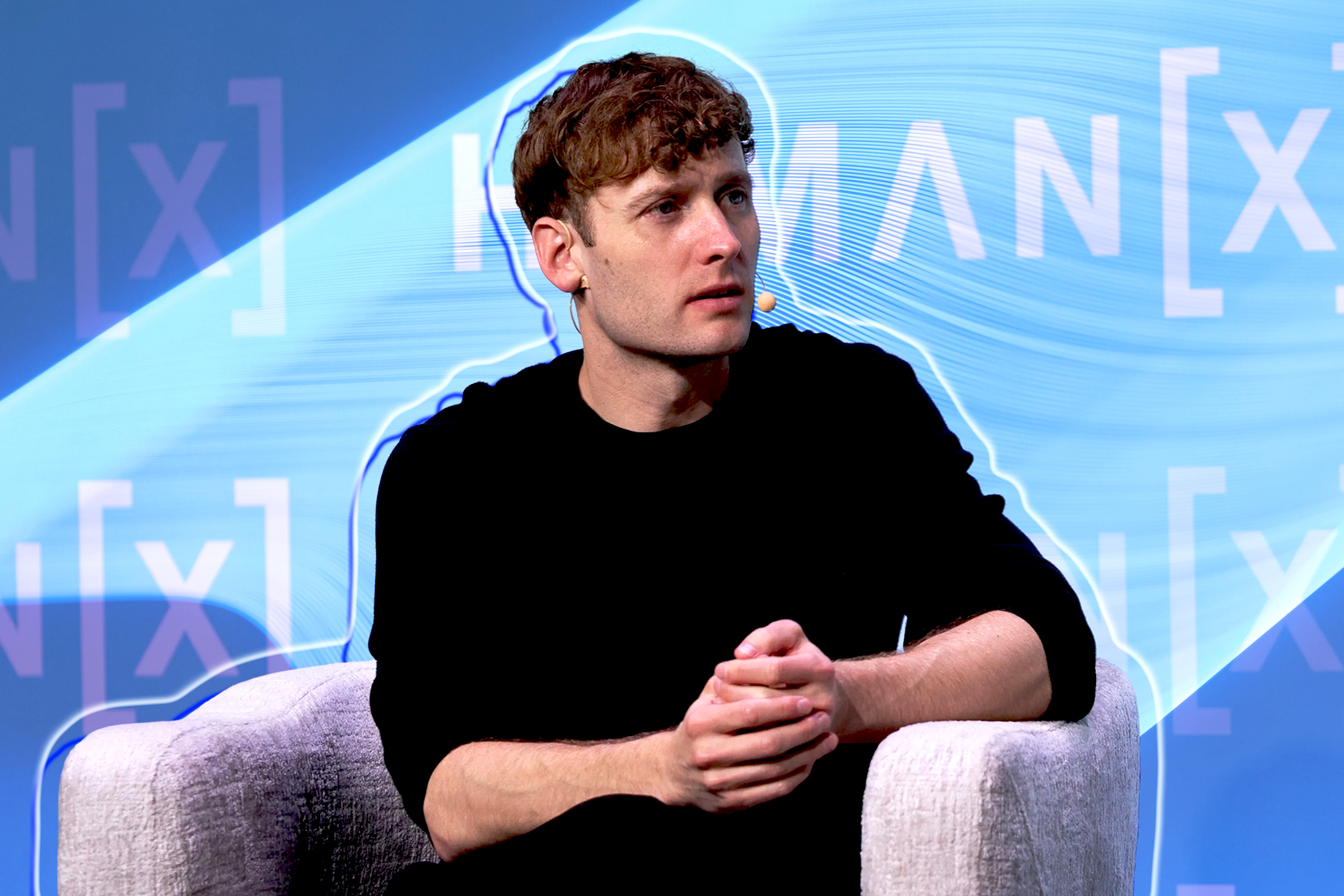
"Founder mode" often highlights speed, control, and relentless activity. While this hands-on style is crucial during a startup's early days, experts warn that beyond initial growth phases, it becomes challenging to sustain without burning out. Industry leaders share twelve practical approaches to managing energy, delegating effectively, and staying aligned with core priorities. These include making space for strategic thinking, shifting gears deliberately to balance momentum with stability, toggling between founder and CEO modes, and cultivating an ownership culture. Successful founders learn to say no to unsustainable demands, evolve from bottlenecks to team builders, maintain close ties with product and market, and resist the trap of manufactured urgency. Moreover, they build systems to prevent burnout and know when to hand over leadership to managers as their companies mature. The consensus is clear: the intensity of founder mode must be balanced with pauses, structure, and empowerment to foster long-term business resilience and growth.


Respecting a family legacy is about growth, not just preservation.

Recent studies highlight the earliest signs that suggest an individual's potential for leadership, emphasizing the importance of recognizing these traits beyond the obvious candidates.

Your team isn’t unfocused; they're simply being disrupted by endless interruptions.

At a panel hosted by Stanford Graduate School of Business, Nvidia's CEO Jensen Huang shared his optimistic view on artificial intelligence's impact on employment. Contrary to popular fears, Huang argued that AI will not eliminate jobs but rather automate tasks, allowing workers who know how to leverage AI tools to excel. He highlighted that software engineers at Nvidia are busier than ever, benefiting from AI to perform tasks faster and on a larger scale. Huang emphasized the potential for AI to create new opportunities across industries—including manufacturing and construction—with rising salaries in these sectors. He stressed the importance of broad AI adoption, suggesting that job losses are more likely to happen to individuals who do not use AI effectively. Despite growing skepticism about AI, especially among younger generations, Huang sees a future rich in job creation and technological advancement, urging leaders to demystify AI and make it accessible to all.

Dan Schulman emphasizes the need for transparency as AI rapidly integrates into the workplace. He warns that job losses are inevitable and automation is advancing quickly.

Effective leaders experience five predictable phases when facing technological upheaval, progressing from initial uncertainty to gaining momentum.

While aiming to boost overall employee happiness is positive, studies indicate the most significant improvements in productivity come from focusing on transforming unhappy employees into happier ones.

New economic studies reveal that businesses experience greater success when AI tools enhance human efforts rather than reduce workforce numbers.


Winston Weinberg credits the remarkable $11 billion valuation of his startup to an unconventional yet powerful mindset driving the company’s growth.