As the founder, chair, and CEO of the Exceptional Women Alliance, I have the privilege of connecting with remarkable female leaders across various fields. Recently, I discussed a critical yet often overlooked workforce issue with Shari Hofer: eldercare.
For many organizations, caregiving remains a private struggle employees manage quietly alongside their jobs. The 2025 Caregiving in the US report by AARP and the National Alliance for Caregiving reveals that nearly 63 million Americans provide family care, including almost 48 million who offer unpaid care to adults. Economically, this unpaid care is valued at over $600 billion annually. Today’s professionals juggle leading teams, raising families, and caring for aging parents, creating an invisible force influencing performance, retention, and leadership quality.
Shari Hofer, coauthor of "With Love: A Practical Guide for Caregiving for Aging Parents Through End of Life," draws from personal experience managing caregiving for parents with dementia and Parkinson’s alongside global careers. Her insights emphasize that caregiving is not just a private matter but a fundamental leadership and organizational issue.
From personal stories of burnout and reliance on teams to lessons on trust, delegation, and redefining performance, Hofer highlights the need for leadership models that recognize the realities of caregiving. She stresses the importance of normalizing conversations around employee capacity, creating empathetic workplace cultures, and aligning values with daily behaviors—not just policies.
Ignoring caregiving responsibilities is no longer an option if organizations want to avoid rising burnout and talent loss. Those that embrace this challenge will cultivate stronger, more resilient, and humane workplaces. Eldercare is shaping today’s workforce, and leaders who understand this will pave the way for future success.
— Larraine Segil, Founder, Chair, and CEO of The Exceptional Women Alliance.

Back in 2002, only 45% of the world's top 250 companies reported on sustainability. Today, that figure has surged to 96%. Sustainability is no longer a mere differentiator but has matured into a foundational element of business operations. As geopolitical and regulatory landscapes shift, businesses must embed sustainability deeply into their strategies to remain resilient and competitive.
Leaders who integrate sustainability at the heart of their operations—considering factors like climate impact, resource use, and regulatory requirements—are better equipped to navigate risks and seize opportunities. For instance, investments in energy-efficient infrastructure can simultaneously boost productivity and reduce emissions, highlighting sustainability's role in driving long-term value.
Moreover, putting customer needs first by addressing environmental concerns fosters innovation and competitive advantages. Companies like Liberty Coca-Cola and Costco exemplify how sustainable solutions, such as replacing plastics with paperboard or reinventing packaging design, can create tangible benefits for both business and the planet.
Ultimately, successful leadership today involves transforming sustainability from a goal into a strategic driver that fuels innovation, resilience, and growth across industries.


Over a span of ten years, Google researchers analyzed what makes managers truly effective, uncovering one particularly striking insight.
The true challenge in executing your AI strategy lies not in the technology itself, but in the perceptions and beliefs held by your team about that technology.

The most challenging phase in a founder's journey is learning to delegate and manage a team effectively rather than doing everything themselves.

Women leaders are pioneering innovative approaches to work that create more fulfilling careers and drive stronger business results.

Leading executives shift from reactive responses to proactive planning, prioritizing cyber risk across the entire organization.


Rema Serafi, who currently serves as the Vice Chair of Tax at KPMG, has dedicated over 30 years to the global accounting powerhouse. Despite initially being considered a long shot for a pivotal role early in her career, her potential was recognized by a key decision-maker. This opportunity ultimately shaped her trajectory, leading her to oversee a large team and have a significant impact within the firm.


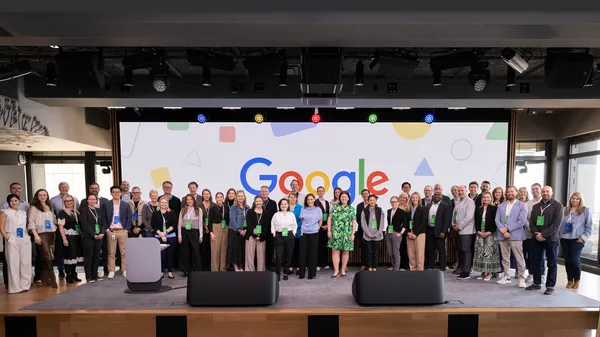
At Google's Leading the AI Transformation summit, top executives from Fortune 500 companies explored strategies to foster AI adoption in the workplace, focusing on empowering people to unlock new levels of potential through artificial intelligence.

Elizabeta Gjorgievska Joshevski's professional journey spans continents and leadership roles, with a deep focus on the intersection of technology and business results. As the founder and CEO of EverCognitive, she navigates an evolving AI landscape, helping enterprises define and implement AI strategies that drive real-world impact.