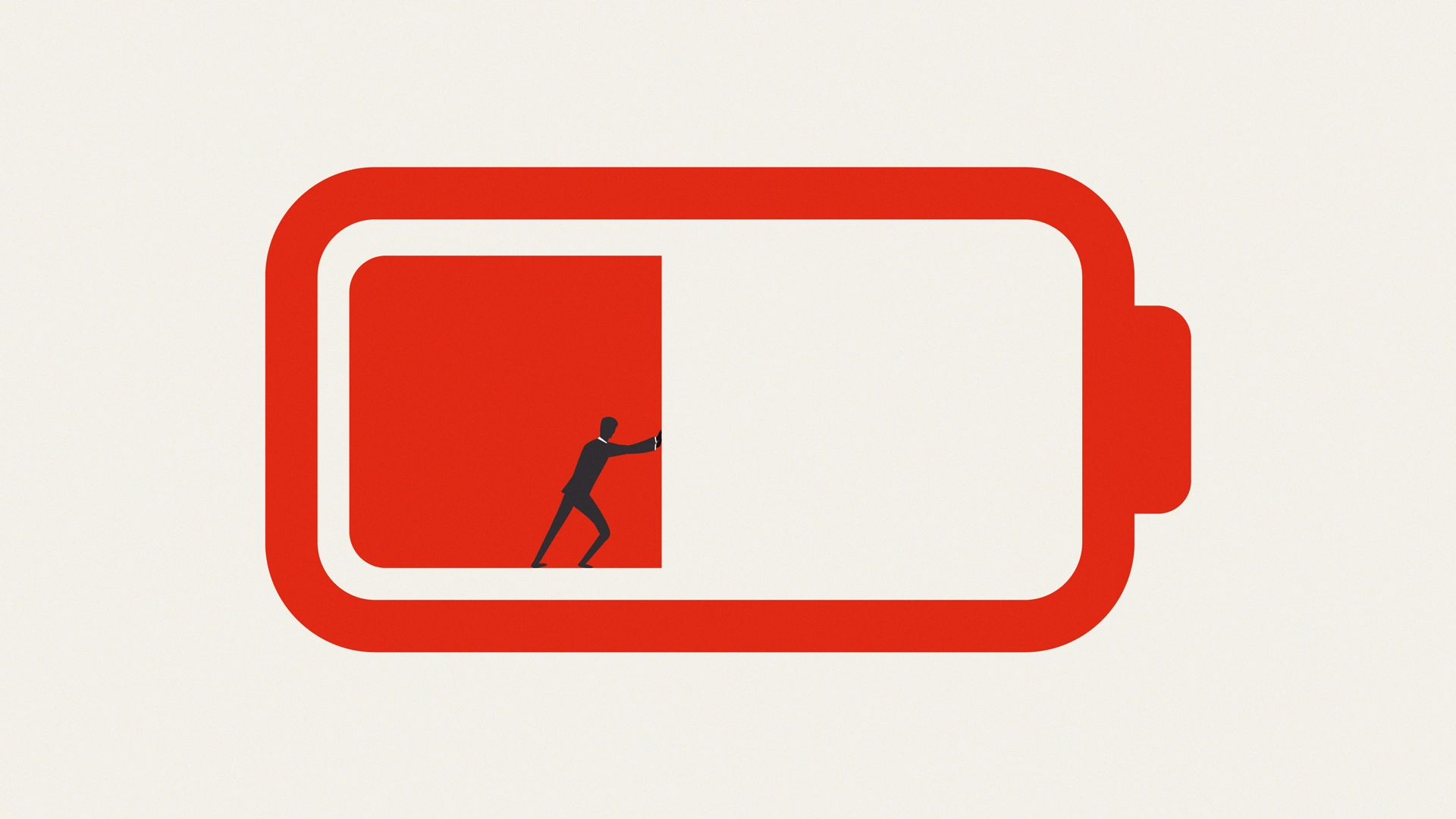
Innovation drives progress across industries, from launching new offerings to streamlining workflows. Yet, common errors can derail efforts. Leaders from the Fast Company Impact Council shared 18 pitfalls companies must avoid for effective innovation. Key missteps include overburdening teams by tacking innovation onto daily tasks, relying solely on new technologies without foundational insights, neglecting clear management and guardrails, and the failure to allocate dedicated time for innovation. Additionally, jumping to solutions without deeply understanding customer needs, pursuing only moonshot ideas, and lacking diverse perspectives can stifle success. The best approach blends incremental improvements with visionary thinking, managed strategically as a portfolio, fostering a culture where innovation permeates the whole organization—not just a special project. This holistic view unlocks sustainable, impactful innovation.


Leadership demands significant sacrifices before its rewards become evident.


In early 2025, JPMorgan Chase reinstated a full five-day in-person workweek, joining major corporations like Amazon and Dell in emphasizing on-site presence to boost competitiveness and productivity.

Understanding the significance of clarity, decision rights, and consistency reveals why these elements are fundamental to effective governance. Unlike mere hustle, which focuses on speed and effort, healthy governance provides structured advantages that ensure sustainable success and sound decision-making.


OpenAI has made its first media acquisition by purchasing the Technology Business Programming Network (TBPN), a well-known Silicon Valley tech talk show. The daily live broadcast, hosted by former entrepreneurs John Coogan and Jordi Hays, will be integrated into OpenAI’s strategy division and will report to Chief Global Affairs Officer Chris Lehane. While the acquisition’s financial details were not released, OpenAI assures that TBPN will maintain its editorial independence.


OpenAI has restructured its executive team, assigning COO Brad Lightcap to oversee special projects within the company. Meanwhile, CMO Kate Rouch will be temporarily stepping away to focus on her cancer recovery, with plans to return once she is able.


Carolyn Geason-Beissel of MIT Sloan Management Review and Minneapolis Institute of Art explores how generative AI is shifting organizational priorities from merely increasing production speed to mastering systematic learning from AI outputs. AI now dramatically lowers the cost of initial drafts, code, and prototypes, but the real value lies in how organizations evaluate and learn from these outputs to improve future iterations. Companies that establish feedback systems to verify, evaluate, and capture insights from AI outputs experience substantial financial benefits and improved organizational learning. This process, termed “return on iteration,” relies on creating infrastructure to support ongoing improvement. By employing specialists as evaluators rather than just producers, and embedding mechanisms for verification and learning capture into workflows, firms can transform AI interactions into compounding assets. Examples include practices like automated self-verification in AI coding and evolving marketing strategies based on feedback loops that refine brand messages continuously. Leaders are urged to measure the learning cycle itself, not just output metrics, to fully realize AI's potential for organizational growth. The central message: AI's promise is best fulfilled not through consumption but through persistent learning and iteration, making expert judgment and infrastructure investment critical to gaining a competitive edge.

Behind the constant heroics and last-minute saves, there’s often a deeper execution issue that leaders fail to address.
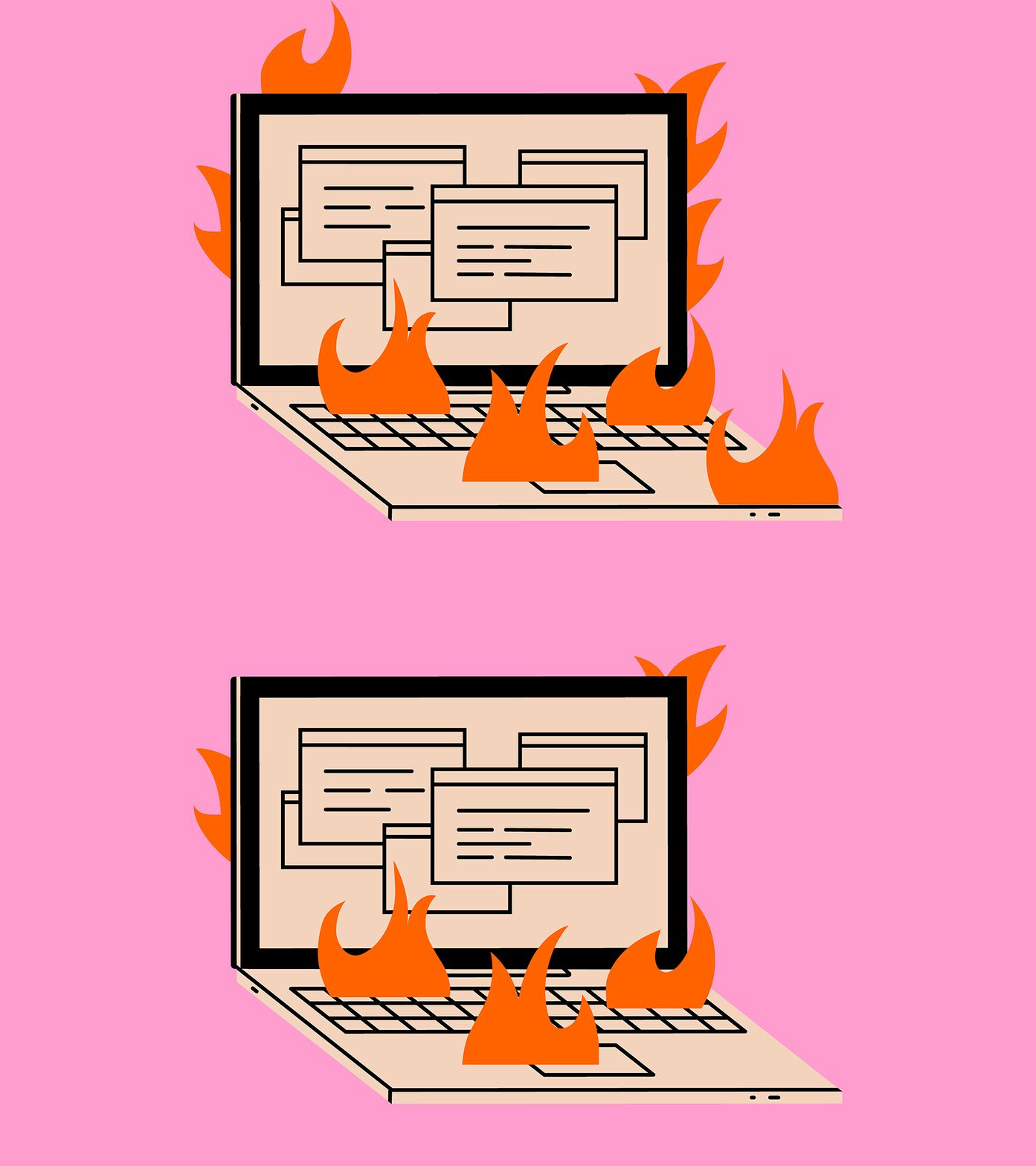
The necessity for continuous learning in the workplace has always existed, but the way we approach and facilitate learning needs to evolve. Embracing mistakes as valuable learning opportunities is key to fostering growth and innovation within teams.

Common beliefs hold that as burnout increases, individuals reduce their effort. However, recent research reveals a surprising pattern that challenges this assumption.