


Leaders often treat layoffs as a communication challenge, focusing mainly on what to say and how to say it to avoid panic or damage. However, layoffs are moments when employees judge if leadership can still be trusted, with this judgment happening almost instantly today. While no layoff feels good, there's a clear difference between a well-handled decision marked by clarity and care and a breach of trust caused by poor execution.
Employees react not just to the layoffs but to how they experience them — the timing, tone, and whether they feel respected or just a cost. Leaders frequently underestimate people's resilience; the real challenge is the disorientation caused by avoidable missteps like abrupt notifications and lack of context, which damage trust and morale among remaining employees.
Delaying communication waiting for full certainty is a major leadership mistake. Silence breeds speculation and erodes credibility. A transparent approach, sharing knowns, unknowns, and next steps, builds trust over time.
Reducing harm where possible is critical. Thoughtful actions such as live Q&A sessions, equipping managers with clear messages, and allowing time for closure help maintain dignity and community.
Softening messages to comfort leaders often leads to vagueness and blame-shifting, which undermines trust. Clear, honest communication about layoffs builds understanding even if the news is tough.
The effort continues after announcing layoffs. Leaders must acknowledge emotions, communicate the company’s future direction, and encourage ongoing openness to avoid disengagement.
There is no 'right' way to lay people off, but how leaders handle it makes a lasting impression on how employees perceive the company during its toughest moments.


Sriram Krishnan is leaving his position as an AI advisor to the White House and is reportedly launching a new institution focused on advancing AI policy shaped during the Trump administration.
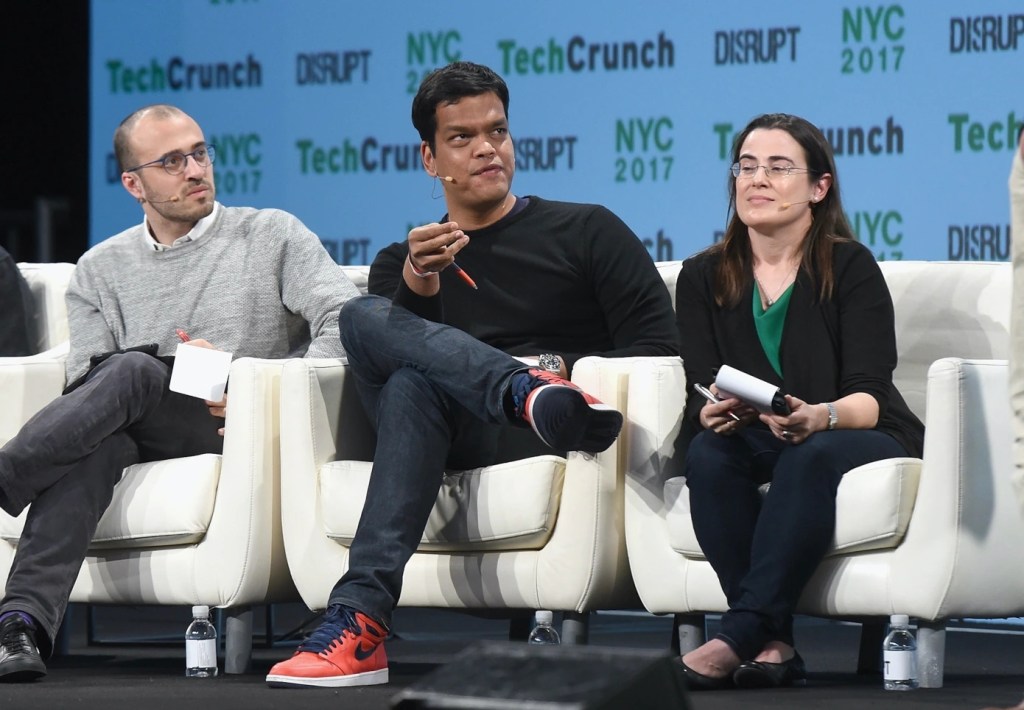

Andrew Bailey, Governor of the Bank of England, cautioned that artificial intelligence might have to be rationed because current energy supplies may not keep pace with AI's growing capabilities. He emphasized that governments and businesses are facing significant societal decisions, needing to balance energy demands across different sectors. The core issue is not AI's potential, but whether the energy infrastructure can support its expansion.

What is the real purpose of a manager today? Executives see managers as key to accountability and performance, while many employees view management as the main advancement path. This dual reality highlights the need to rethink management roles. Organizations often overpopulate leadership ranks by promoting employees as a retention strategy, yet only 22% of managers feel engaged at work globally. With AI rising, companies have a chance to manage more effectively with fewer managers by enhancing human judgment instead of relying on outdated practices.
Managers play crucial roles—setting goals, coaching, hiring, and fostering team culture. However, management has become a social contract, offering higher pay and influence, creating a glut of untrained "accidental managers" who may miss warning signs like burnout. Without good data and metrics, assessing manager effectiveness is tough, and sprawling management layers lack the insight to improve performance. AI offers a way to rebuild management by focusing on informed decisions rather than instinct.
Often bogged down by administrative tasks, managers spend little time on people development. AI can democratize access to strategic insights, enabling managers to align decisions with company strategy and team dynamics. A unified AI system can enhance decision-making by providing data-driven insights, improving people practices, aligning strategy with execution, and helping leaders identify and support effective managers. Rather than relying on generic tools, AI should integrate with core management processes to drive real impact.
Legacy management structures persist out of familiarity, but AI can disrupt this by promoting readiness-based leadership and real-time support. A modern management model empowered by AI connects workforce data, enabling managers to implement strategy day-to-day and giving executives visibility into frontline success. Coupling this technology with clear leadership standards ensures AI fulfills its potential to elevate management roles and foster stronger teams.

The European Commission has named Jim Hagemann Snabe, chairman of Siemens' supervisory board, as its special envoy for industrial AI. In this advisory role, Snabe will support Commission President Ursula von der Leyen and tech sovereignty lead Henna Virkkunen in promoting AI integration within European industries. However, the decision has sparked immediate criticism, given Siemens’ recent influential role in shaping the AI Act, raising questions about potential conflicts of interest.
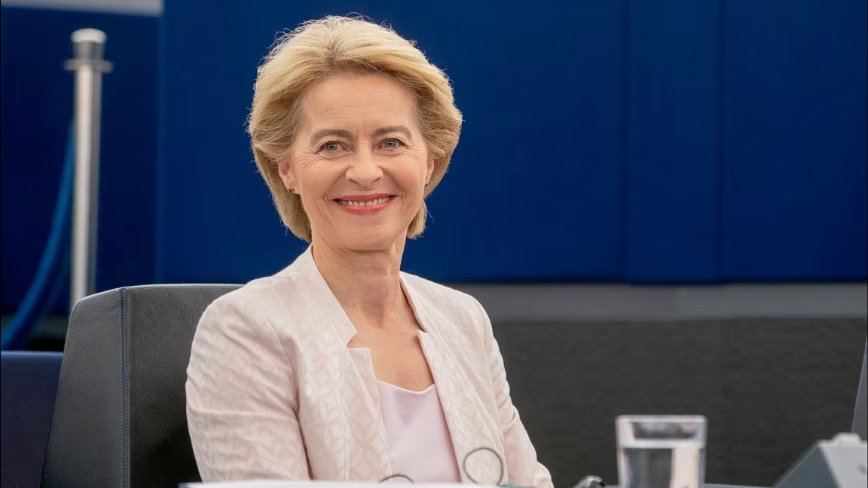
After a lengthy period away from the spotlight, Mira Murati, the visionary behind ChatGPT, DALL-E, and Codex, re-emerged in a major interview with Bloomberg's Emily Chang in San Francisco. As CEO of Thinking Machines Lab, Murati shared key thoughts on the urgent need for AI governance, marking a significant return to public dialogue after approximately 18 months. Alongside this, she unveiled a surprising new product, signaling fresh directions in AI innovation.


Nineteen industry leaders discuss the benefits and challenges of granting employees a stake in the company, sharing insights on how this approach influences motivation, loyalty, and business success.

These five practical habits will help you build and enhance your AI skills steadily, no technical background needed.

Within every organization, middle managers are under immense pressure, tasked with bridging executive vision and team productivity while facing unprecedented challenges. Unlike C-suite leaders or frontline employees, these managers handle a complex mix of responsibilities—from spotting burnout to managing their own anxieties about AI, economic shifts, and job uncertainty. Recent surveys reveal that 82% of senior managers find management harder than ever but lack adequate training and tools to support their teams' mental health effectively. With high expectations, fears of layoffs, and increased workloads, many managers are experiencing rising rates of mental health issues and stigma, leading to a culture where suffering is masked and ignored. Addressing this requires clear data tracking, leadership openly modeling vulnerability, and comprehensive training focused on psychological safety and emotional support—recognizing that managers are critical to executing any organizational strategy and must be supported accordingly.
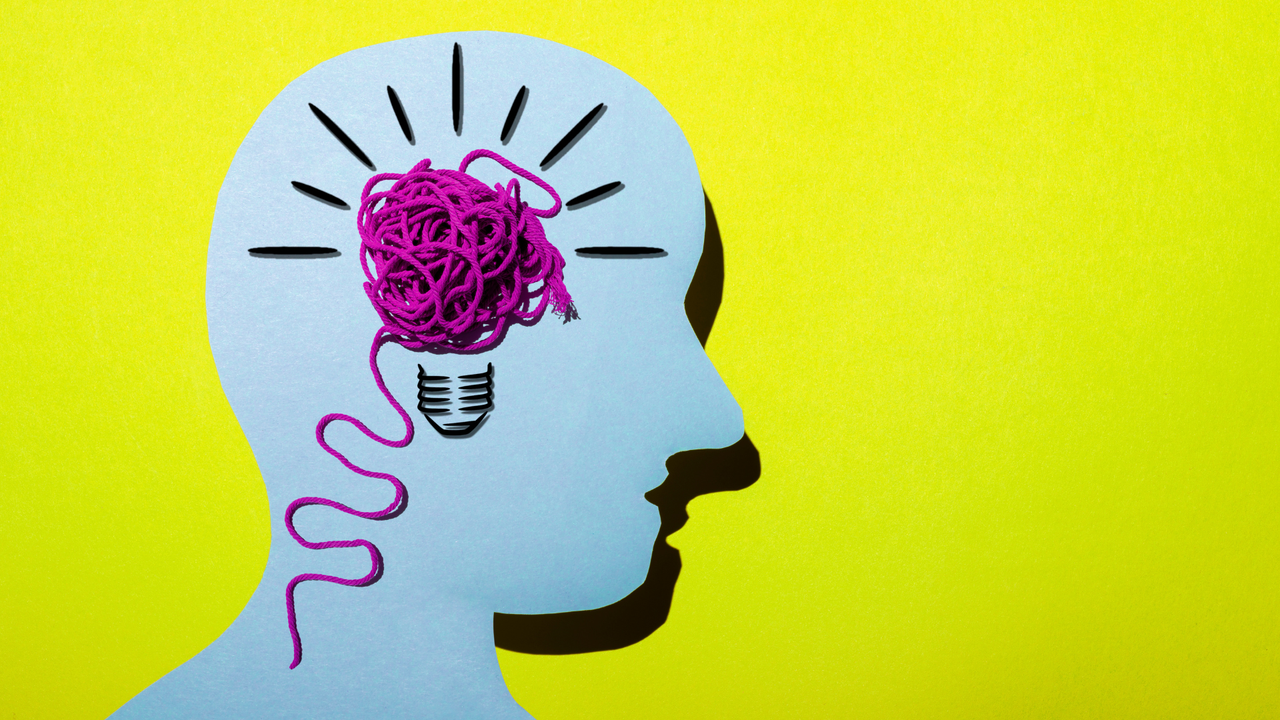
Shortly after discussing the ethical dimensions of artificial intelligence with Pope Leo XIV, Canadian Prime Minister Mark Carney unveiled a comprehensive national AI framework in Toronto. Named “AI for All,” the plan allocates over $2.3 billion across five years to ensure responsible AI development and use, reflecting the moral concerns emphasized during the pontiff's call. This strategy positions Canada as a leader in AI ethics and innovation.
