Liverpool-based Enteral Access Technologies (EAT) has successfully raised £500,000 in a bridging round of funding. The round was led by the British Design Fund and saw participation from existing investors. Founded in 2018, EAT focuses on developing innovative tools designed to improve medical procedures related to enteral access, including their flagship product, DoubleCHEK. This new funding will support the company in scaling its operations and advancing the technology further.


In response to Ireland's current bird flu outbreak, Dr. Rozita Dara from the University of Guelph shares valuable perspectives on utilizing artificial intelligence to anticipate and manage the spread of avian influenza. This innovative approach aims to enhance planning and response strategies.


Pfizer's acquisition of Metsera could significantly influence the dynamics of mergers and acquisitions within the biotech sector.
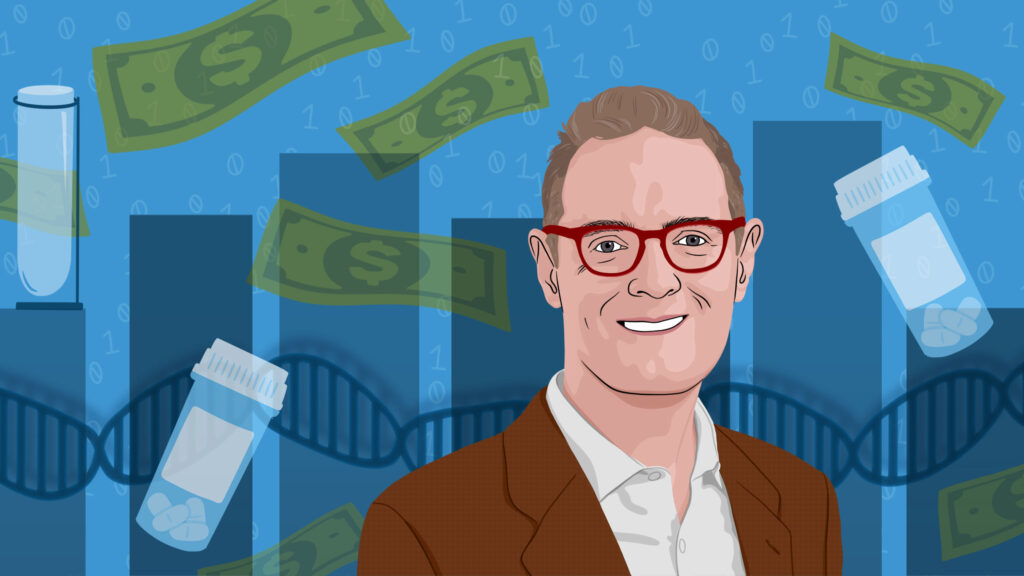
Medicare has announced it will pay more than $1,000 for artificial intelligence to analyze heart scans, sparking debate over whether this cost is too high.


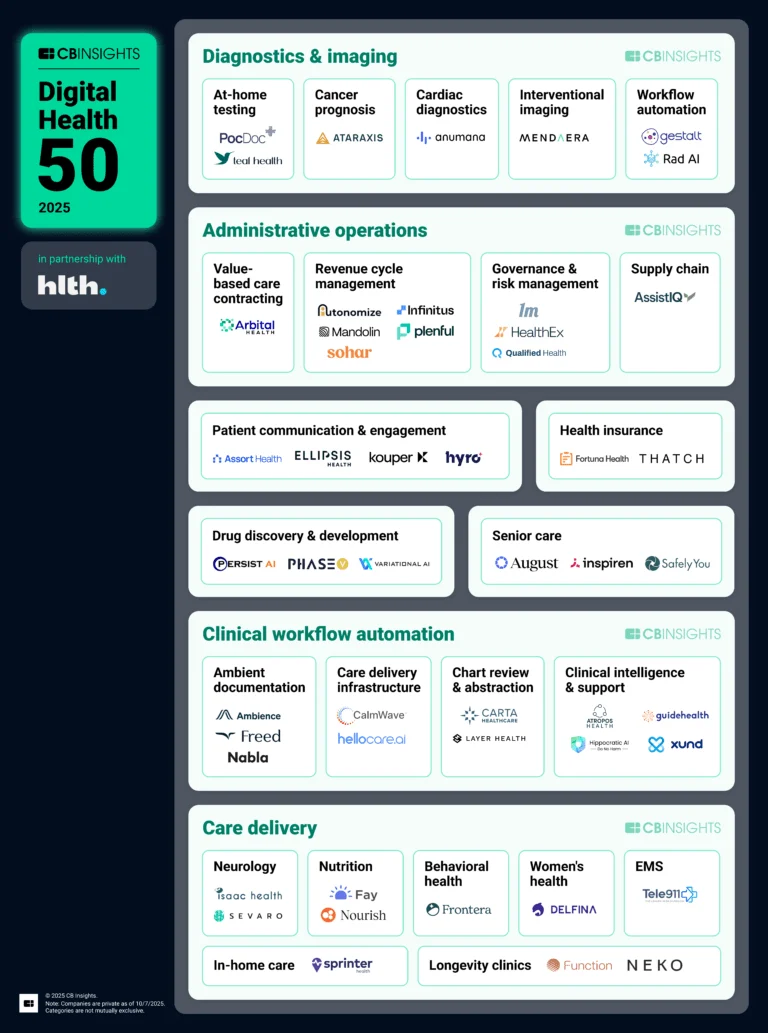
This infographic, for instance, is fundamentally wrong. The choices of categories aren't representative of all the clinical fields digital health is representing and more over the selected startups are a bias towards US ones. If you're ready this and working in pharma, digital health is way broader and some market leaders are actually in Europe.
Despite a 6.8% drop in deal numbers, Europe recorded 14 major funding rounds above €100 million in October. Notable highlights include the €1 billion AI telecom partnership between Nvidia and Nokia, and Oura's significant €900 million funding round.

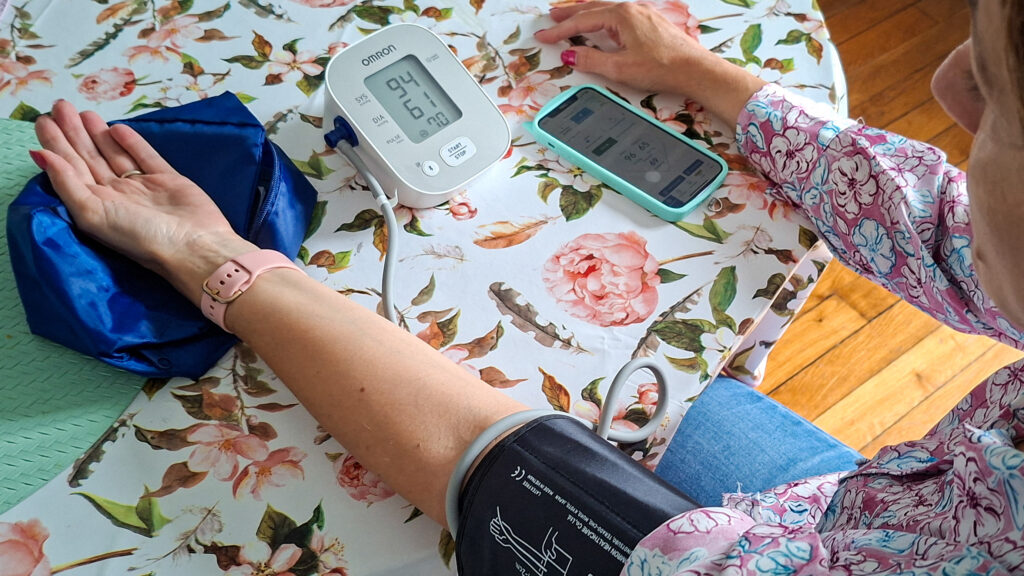
UnitedHealthcare has announced it will cease reimbursing physicians for remotely monitoring patient data collected at home, a move that conflicts with existing Medicare policies.


As artificial intelligence integrates deeper into the dating world, it's assuming diverse roles such as matchmaker, assistant, and even potential partner. While concerns once centered around deceptive photos and filters, the challenge now lies in distinguishing human from AI-driven personas. A Hily report reveals that a significant majority of Gen Z and millennials already rely on AI in their dating lives, yet many would feel uneasy if their dates used AI during initial conversations, citing a loss of authenticity and creativity. This 'ick' factor stems from doubts about genuine interest and effort, questioning if one is attracted to a person or an algorithm. Common AI uses include crafting bios or conversation prompts, but there's wariness about fabricated details or misleading images. The rise of "chatfishing," where individuals let AI handle conversations, is both a symptom of dating fatigue and a source of new challenges, with AI interactions increasingly indistinguishable from humans. Despite AI's effectiveness in securing first dates, it may reduce real-life dating confidence. Experts warn that relying too heavily on AI can dilute individual personality traits, ultimately setting unrealistic expectations for genuine connections.


During a recent doctor’s visit, Pamela, a senior woman with chronic health issues, experienced the impact of an AI scribe used in clinics. The AI transcribed her visit in real time, highlighted keywords, suggested diagnoses, and provided billing codes. The doctor focused more on the computer screen than on Pamela's ongoing explanation of her symptoms. This scenario highlights growing concern about reliance on artificial intelligence in American healthcare and its implications for patient care and societal trust.
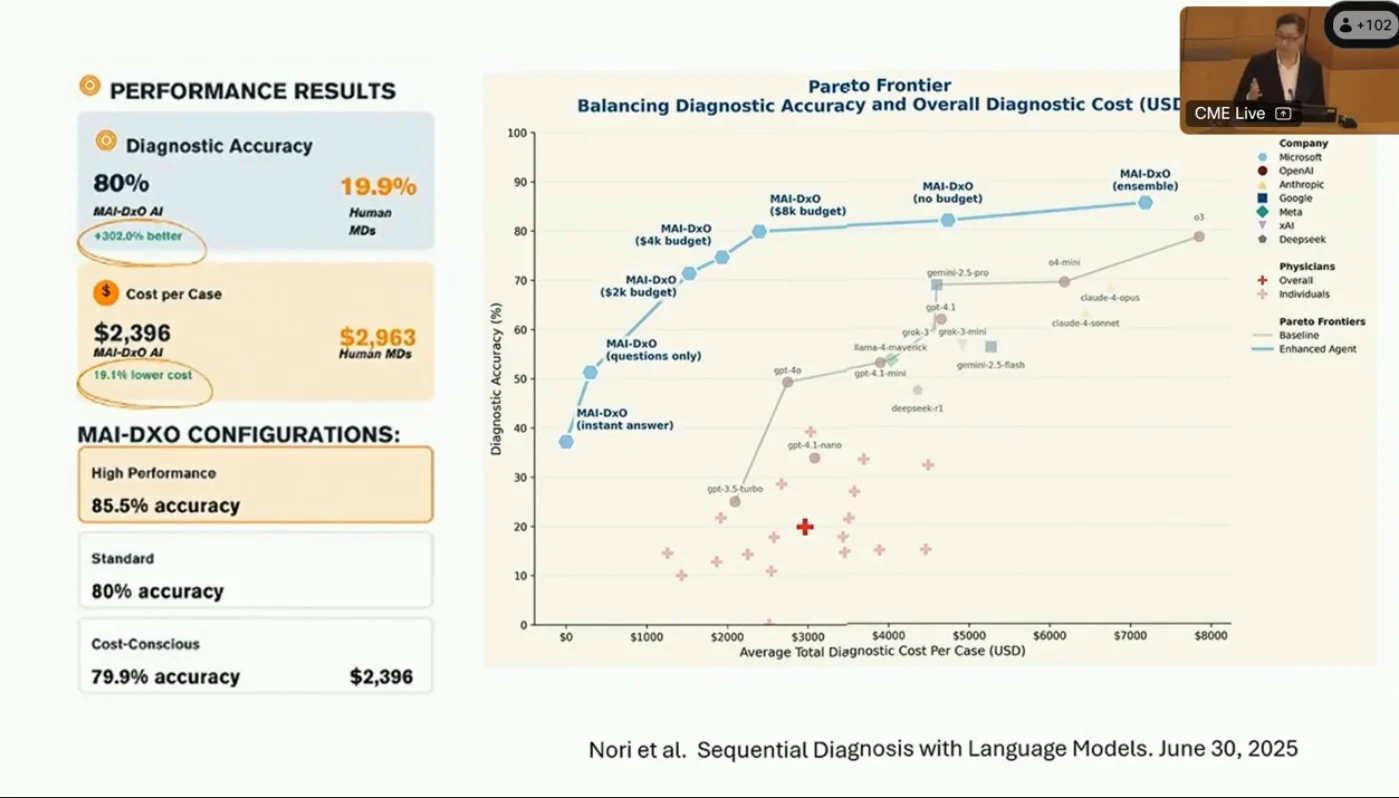
This video from David C. Rhew highlights how AI is transforming the way clinical practice can provide better patient outcomes, and surprisingly, you will see data showcasing that AI alone can sometimes outperform AI+HCP https://www.youtube.com/watch?v=rL5Ya7obGUg