


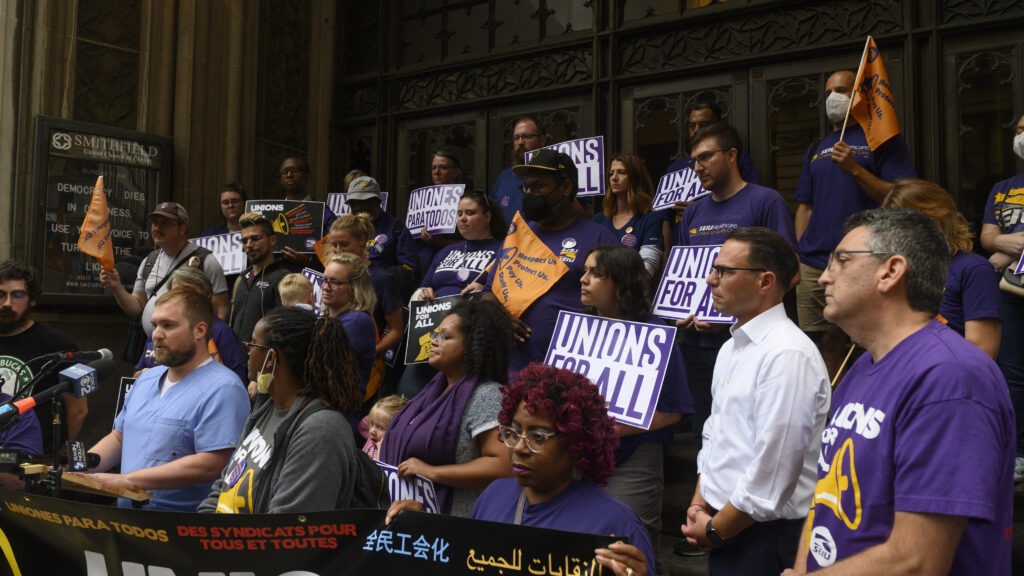
Research clearly links nurse overwork to higher patient mortality rates. In response, nurses are mobilizing to push for better working conditions and improved patient care.

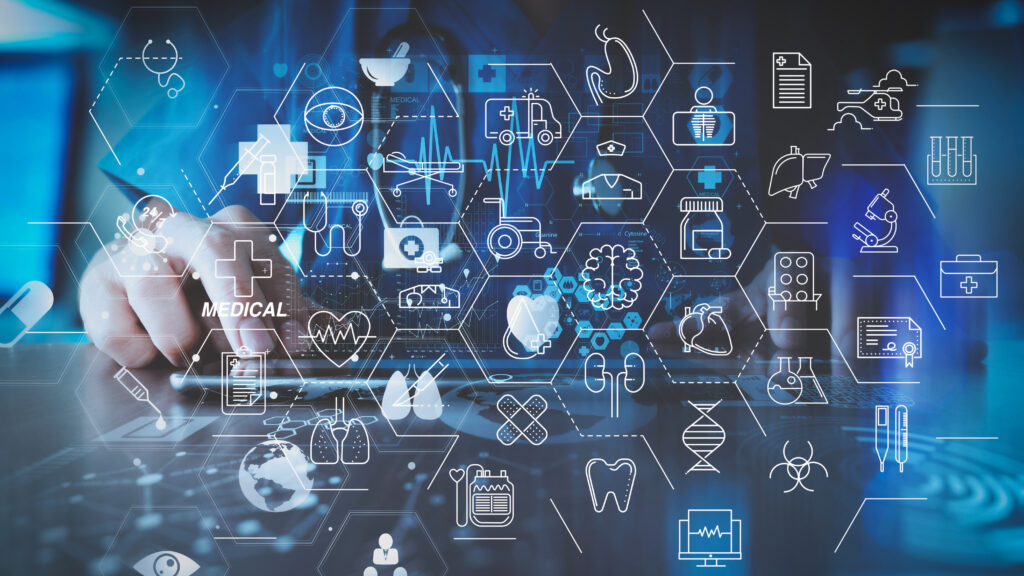
Over the past decade, artificial intelligence (AI) has seen tremendous progress, leading to high expectations despite frequent errors in its outputs. Whether it's a digital assistant misunderstanding speech or a navigation system leading drivers astray, these mistakes are often tolerated because of AI’s efficiency benefits. However, the introduction of AI into sensitive areas like healthcare, particularly proposals allowing AI systems to autonomously prescribe medications, raises critical concerns about the consequences of these errors. Research shows that certain errors in AI are unavoidable due to data complexity and the overlapping characteristics within datasets, factors that will not be resolved even with increasing data or improved models. For example, AI struggles to perfectly classify students' graduation timelines or distinguish between dog breeds with overlapping features because of fundamental limitations in the data itself. These challenges reflect the broader problem of prediction limits in complex systems, where unpredictable interactions make error-free forecasting impossible. In healthcare, symptom overlap across diseases means AI misdiagnoses are inevitable, posing legal and ethical dilemmas about responsibility and patient safety. Experts argue for a combined approach, or "hybrid intelligence," where AI supports but does not replace human judgment. Consequently, while AI offers revolutionary potential in medicine, human oversight remains essential to manage its intrinsic risks and safeguard patient health.


When you make an emergency call or send a text, a dispatcher may request access to live video from your Android phone to better understand your situation and provide quicker help.

Increasing anti-science and anti-vaccine attitudes have significantly altered how healthcare providers and patients interact, impacting trust and communication in clinical settings.


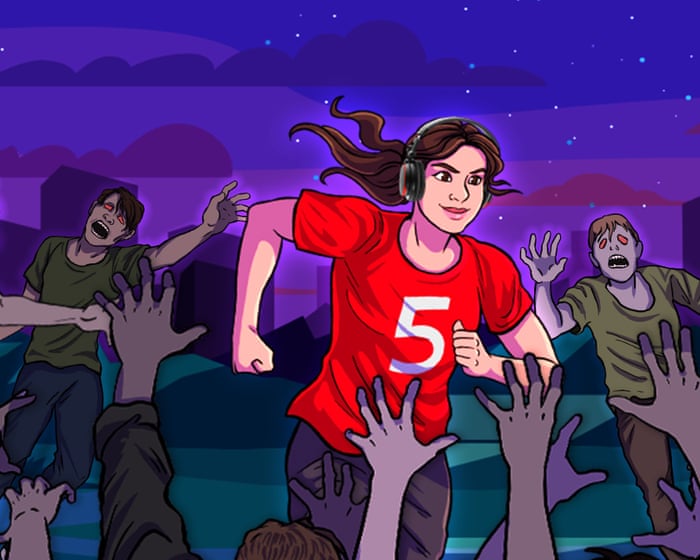
When I unexpectedly acquired the studio behind Zombies, Run!, it was driven by more than business—it was about the power of storytelling to connect and motivate. As a novelist and lead writer of this unique workout game, which uses immersive zombie apocalypse narratives to encourage fitness, I’ve witnessed firsthand how games can enrich lives positively, contrary to their often negative reputation. With gaming increasingly influenced by AI, safeguarding the human touch in our narratives is essential to keep stories meaningful and impactful.
In this edition of our Health Tech newsletter, we explore how the field of radiology is adapting to the integration of artificial intelligence, especially in interpreting X-rays independently. Additionally, we cover the progress of a new app designed to assist schizophrenia patients as it moves toward FDA approval.

Forenza teamed up with data scientists and biomedical engineers to create Awear, a discreet device that fits behind the ear and continuously tracks brainwaves. The data is sent to a companion app that analyzes the wearer’s mood and offers personalized AI-driven coaching to help reduce stress and build emotional resilience.


Following its recent acquisition by DPL Group, Primecore, a specialized consultancy in life sciences, is actively recruiting project managers and consultants to enhance its service offerings to clients in the sector.


AI is becoming the enabler for automation of content and greater innovation for patients and the clinical practice. Discover how Pharma is using these tools to differentiate the value proposition beyond drugs.
https://kainjoo.life/publications/next-pharma-cx-and-ai-summit-vienna-2025/

MyHair AI analyzes scalp photos to accurately assess hair loss and recommend scientifically supported clinics and treatment options.
