


When patients face the same out-of-pocket cost regardless of the healthcare option they select, they lack motivation to choose wisely. Introducing financial incentives for making cost-effective health decisions can encourage more responsible healthcare consumption and potentially reduce overall expenses.


At Web Summit Qatar, biotech startups leveraging AI highlight how automation, advanced data analytics, and gene editing are bridging workforce shortages in drug discovery and the treatment of rare diseases.


In today's rapidly evolving world, from global shifts to technological breakthroughs like AI, constant change is a given. However, the real challenge lies in managing this change without exhausting the people and organizations driving it. Change fatigue occurs when the human energy and organizational capacity are depleted by ongoing, overlapping initiatives, leading to stalled progress. The common call to simply "adapt" overlooks the psychological and practical toll of relentless change. To counter this, organizations must find their stable core—purpose, identity, and strategic clarity—that remains constant amidst the flux.
Leaders play a crucial role in this by being selective about which changes to pursue, clearly communicating the purpose behind each initiative, and crafting unified narratives that connect multiple changes into a coherent journey. They need to build durable structures that maintain momentum beyond individual champions and involve those affected in designing the changes. A case study from Gold Coast Mental Health demonstrates how these principles can create sustainable transformation, emphasizing collective effort and systemic anchors that endure.
Ultimately, success is not about pushing people to adapt endlessly but about providing a steady foundation that supports meaningful and lasting progress through change.


Medtronic and the University of Galway have inaugurated a new facility dedicated to medical device prototyping. This venture is a core part of their five-year, €5 million innovation partnership aimed at advancing medical technologies.

Lotus Health announced a $35 million funding round led by CRV and Kleiner Perkins to support its AI doctor, which is licensed to treat patients across all 50 states for free. This innovative technology aims to increase healthcare accessibility through AI-driven consultations at no cost to patients.


Miscommunication in healthcare can have severe consequences, including delayed treatment and patient harm. Research indicates that communication failures contribute to a significant percentage of patient safety incidents and malpractice claims, resulting in substantial financial and human costs. Healthcare communication encompasses patient education, clinical coordination, leadership reporting, marketing engagement, and organizational alignment. Effective communication enhances patient safety, reduces operational costs, improves satisfaction, ensures compliance, and supports better decision-making. This guide covers healthcare communication challenges, core components, best practices, communication types, real-world templates, useful tools like Visme and Slack, smart frameworks like SBAR and I-PASS, and the thoughtful integration of AI to optimize communication workflows. Understanding and applying these strategies help healthcare organizations deliver clear, actionable information to diverse audiences, improving outcomes and operational efficiency.


Wearable technology, long popular for tracking fitness and health metrics, is now turning its attention to menopausal women—a market historically overlooked. From smart wristbands to sleep-monitoring rings, these devices aim to provide data-driven support for women navigating menopause, reflecting a growing acceptance and openness around the subject.

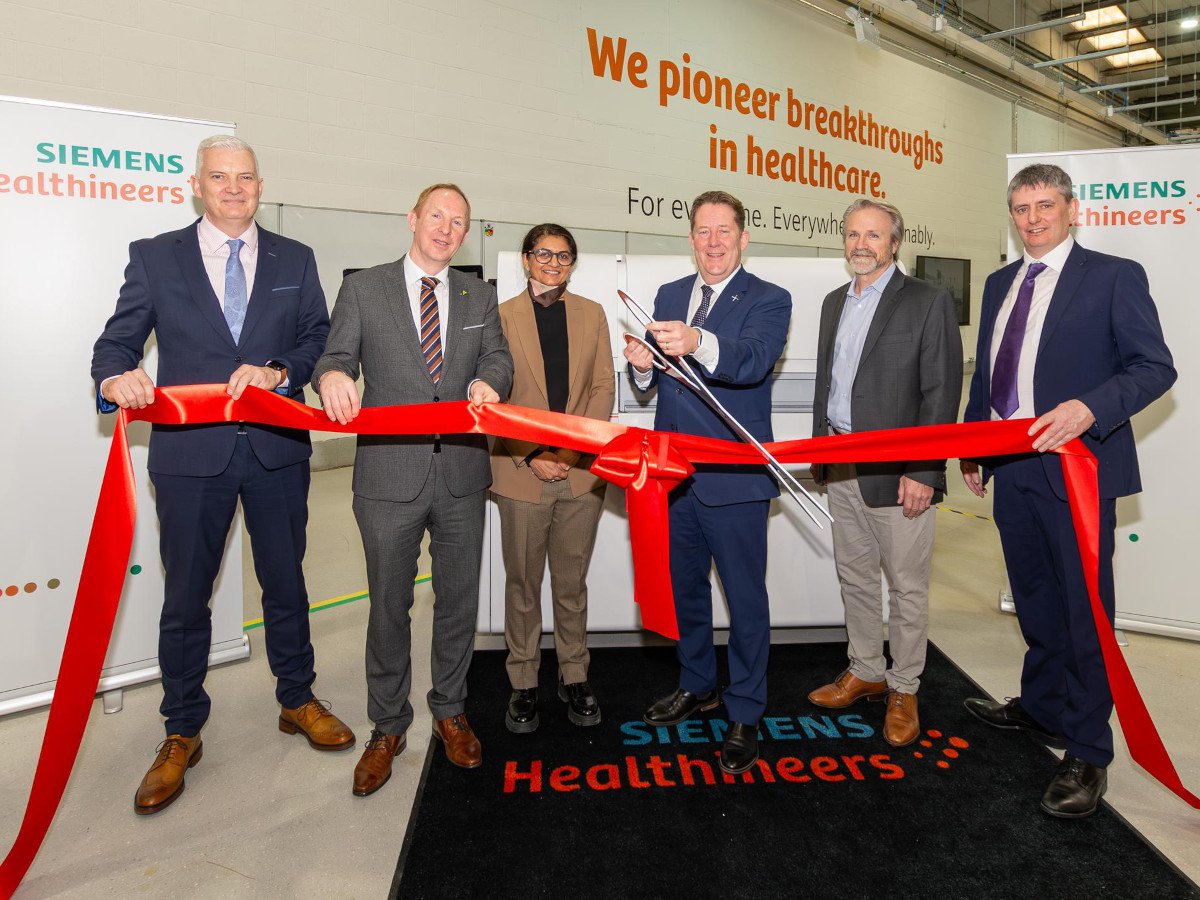
Siemens Healthineers has inaugurated a new research and development center in Swords with an investment of €10 million. Alongside this expansion, the company is implementing a multimillion-euro upskilling program set to run over the next three to five years, aiming to enhance employee skills and capabilities.
A collaborative study by Envetec and BD reveals that polymer materials used in medical technology can be effectively recycled into new, usable products. This breakthrough highlights an important step towards reducing plastic waste in the medtech sector.

With the surge in consumers accessing lab tests and genetic screenings directly, experts warn of potential repercussions in sectors like insurance underwriting, loan approvals, and employment evaluations.
