


Dr. Oliver Kharraz, CEO and physician, shares insights into the challenges that have stalled major corporations like Walmart and IBM in their attempts to transform healthcare. He highlights the unique complexities and nuances of the healthcare sector that require more than just business acumen to navigate successfully.


A newly approved AI tool named STAT+ is designed to analyze EKGs for severe heart attacks and also identify rarer signs of blocked arteries that are harder to detect. The company behind STAT+ highlights its capability to improve early diagnosis and patient outcomes by catching these less obvious patterns in heart activity.


Thatch provides employers with a solution to manage rising healthcare expenses by offering an individual plan marketplace via an Individual Coverage Health Reimbursement Arrangement. This innovative approach allows companies to fund employees' personalized insurance plans rather than enrolling all staff in a single, uniform company plan.


In Montana, investors aligned with libertarian ideals in the biotech sector are pioneering a new approach to healthcare by enabling broader access to experimental medications. This legislative shift hands significant control to venture capitalists, aiming to accelerate innovation and availability in drug development.


Mike Doustdar, president and CEO of Novo, expressed enthusiasm about the collaboration with Anthropic, highlighting how this partnership will enhance their R&D capabilities and advance their mission to develop innovative treatments for chronic diseases. The Danish pharmaceutical company, previously known as Novo Nordisk, officially announced the alliance on September 16, aiming to leverage Anthropic's Claude Science technology to boost drug discovery processes.


Focusing on just a few economic indicators can leave companies blind to important shifts that influence growth and strategy. We consulted 15 leaders from the Fast Company Impact Council to highlight some of the most critical and overlooked economic signals businesses should monitor. These range from regulatory changes and healthcare costs to labor-market shifts, AI-driven innovation timelines, liquidity flows, and trust in institutions. Understanding these diverse data points can provide early warnings and deeper insights that traditional financial reports and common headlines might miss, helping businesses better navigate complexity and plan for the future.

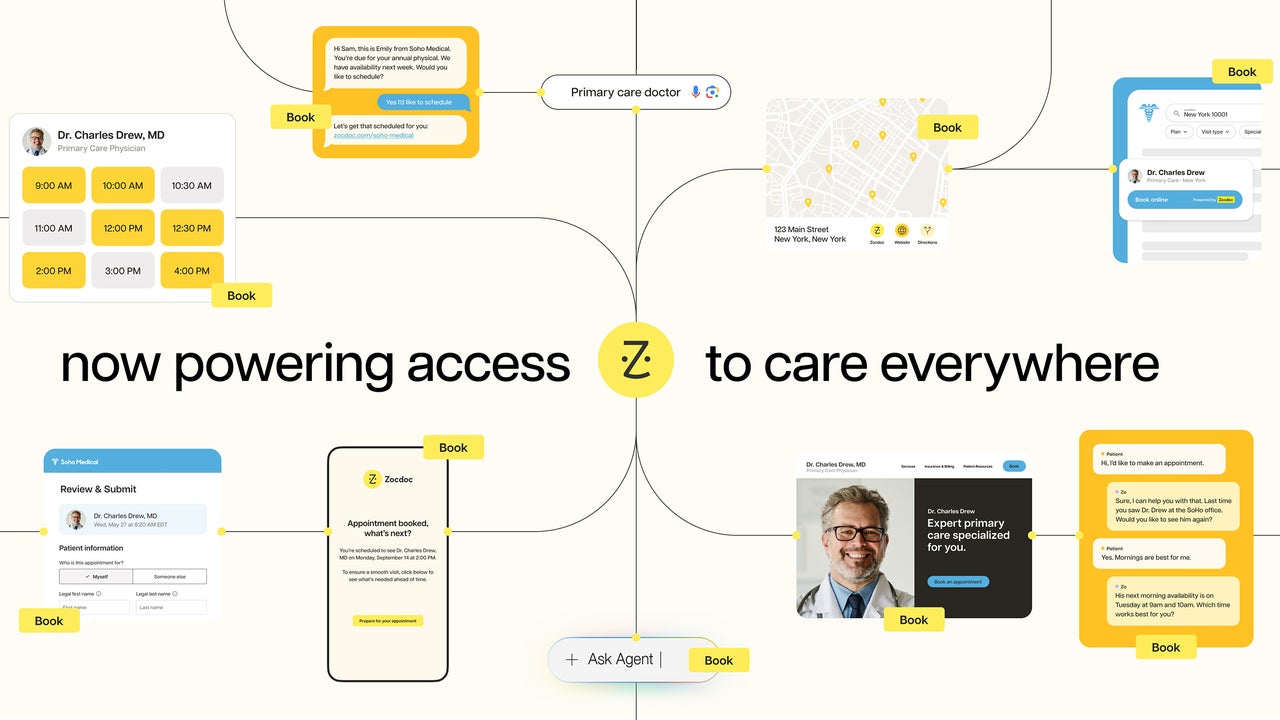
Zocdoc, the online appointment scheduler, is broadening its reach by expanding the Care Access Network. This move enables other platforms—such as Yelp, Healthgrades, and Amazon Health AI—to offer Zocdoc's technology for booking medical appointments nationwide. The tool helps patients find doctors organized by insurance acceptance and available appointment times, addressing the long waits that average 31 days to see a physician. CEO Oliver Kharraz highlights healthcare’s lag in having a universal access layer for bookings, unlike travel or retail. With a network of 200,000 providers and partnerships including the Veterans Health Administration and Blue Shield of California, Zocdoc has improved direct booking options, reduced wait times to six days on average, and drastically decreased no-show rates. As Zocdoc enters a new growth phase, profitability and strategic hires underline its ambition to become a household name and streamline healthcare access for millions.
A commission in the U.K. has put forward a set of recommendations aimed at regulating the use of artificial intelligence in healthcare. These guidelines are designed to ensure safe and effective integration of AI technologies in medical practice across the country.

Ezekiel J. Emanuel and Abe Baker-Butler predict that by 2030, autonomous AI will outperform both doctors working alone and those supported by AI in five fundamental cognitive medical tasks.

John Whyte, CEO of the American Medical Association, emphasizes that AI should enhance healthcare by working alongside medical professionals rather than trying to replicate the existing system with fewer people.
