


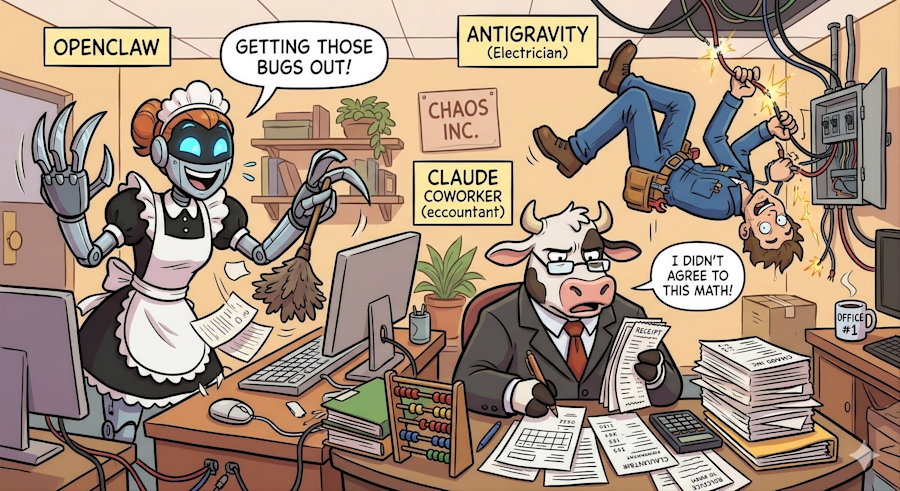
The era of autonomous AI agents has arrived, reshaping the landscape of work and technology. What began as casual interactions with ChatGPT in 2022 has evolved into serious discussions about job security and machine autonomy. Recent developments feature powerful agents like OpenClaw, Claude Cowork, and Google’s Antigravity, each offering distinct capabilities—from household task automation to specialized legal and financial services, and coding assistance. These tools require varying levels of access and trust, raising concerns about misuse and data security. While OpenClaw operates openly without central oversight, solutions like Claude and Antigravity come from established providers with safeguards. The real challenge lies in balancing empowerment with control, ensuring agents act with accountability, transparency, and adherence to ethical AI principles. Implementing strict monitoring, shared ontologies, and trust frameworks are essential to harness agent potential without chaos. Done properly, agentic AI can reduce human workload by handling routine tasks, allowing people to focus on high-value activities, marking a transformative step in the evolving AI ecosystem.

Karin Keller-Sutter, Switzerland's finance minister and ex-president, has taken legal action after the AI chatbot Grok, operated by Elon Musk, was used to generate sexist and offensive remarks about her. The defamation and insult charges were officially filed on March 20 with the Bern public prosecutor's office. This case highlights the growing challenges around AI-generated content and accountability.

In the early hours of Tuesday, Apple’s AI-powered feature, known as Apple Intelligence, unexpectedly appeared on iPhones across mainland China. This tool, which Apple has been working to introduce for nearly two years, briefly became visible in users’ settings menus before disappearing just as suddenly without any official announcement. This incident raises concerns about potential regulatory repercussions in a strict market environment.


Meta is now facing thousands of additional lawsuits amid growing scrutiny, while Congress debates various proposals aimed at enhancing children’s online safety—though several of these measures have met with significant criticism.


Harvey, the AI-driven legal technology company, has officially opened its new office in Dublin. This expansion follows their recent successful funding round, raising $200 million and reaching an $11 billion valuation. The company aims to generate 40 new jobs with this strategic move.


Expanding a business internationally is often viewed as a key indicator of growth, but true success hinges on the ability to adapt your business model to diverse legal frameworks, cultural differences, and regulatory requirements across countries.


Governor Gavin Newsom of California has signed an executive order aimed at imposing new regulations on artificial intelligence companies operating within the state. This move comes in direct contrast to former President Donald Trump's calls for minimal regulation in the AI sector. The order mandates California to establish policies within four months that focus on ensuring public safety and safeguarding citizens' rights as AI technology continues to evolve.

Following Delve's founder's detailed denial and commitment to reform, the whistleblower has presented additional alleged evidence concerning 'fake compliance' within the company.


The FTC has alleged that OkCupid shared millions of user images and personal details with an artificial intelligence company without obtaining users' consent. This revelation is raising new concerns about privacy and the ethical use of personal data on digital platforms.


Recent landmark court rulings found Meta and YouTube liable for designing addictive algorithms that harm young users' mental health, marking a critical challenge to their legal protections under Section 230. This federal law has long shielded social media platforms from responsibility for user-generated content, but courts are now focusing on the design of the platforms themselves. These decisions could force major changes in how social networks operate, especially regarding safety measures like age verification and parental controls, amid ongoing appeals that might reach the Supreme Court. Critics warn the focus on harms may overshadow social media's positive role in teen self-expression and community connection. Experts liken this turning point to the tobacco industry's reckoning, predicting increased regulation and significant financial impact, with calls for platforms to evolve responsibly in protecting young users.
