Top AI research centers are increasingly hiring philosophers to navigate complex ethical dilemmas and foundational questions about consciousness and morality. While some view this as a strategic move to address ethical challenges in AI, others question if it's partly driven by industry hype.


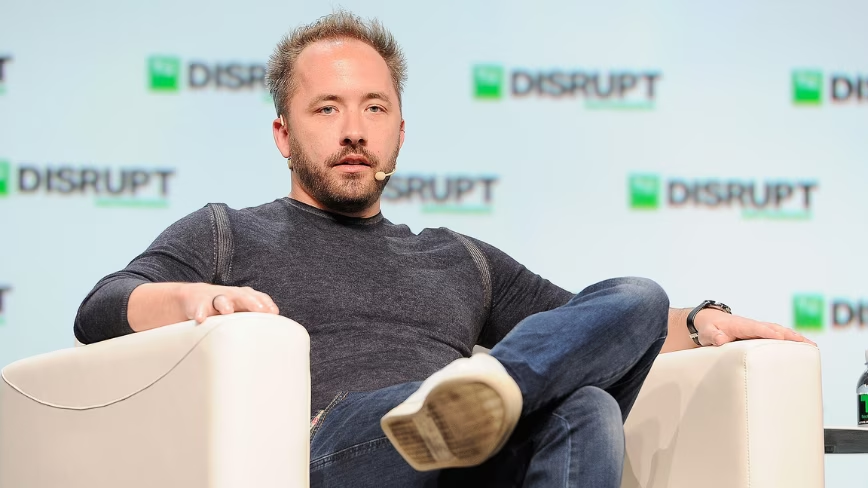
Drew Houston, who co-founded Dropbox and grew it from a small Y Combinator project to a platform with over 700 million users, is stepping down as CEO. Ashraf Alkarmi, currently Dropbox’s head of product, will assume the role of co-CEO immediately. Houston will transition to executive chairman, with Alkarmi taking the lead after a handover period.

The persistent undervaluation of technical employees is a shortsighted approach that contributes significantly to recurring mass layoffs. This issue needs urgent attention to foster sustainable workforce strategies.


DataGrail's latest Privacy and AI Trends Report 2026 highlights a critical issue in vendor data handling agreements. Their research found that 63.6% of AI-capable vendors do not disclose third-party AI subprocessors in their data processing agreements (DPAs). This means many companies may unknowingly have their customer data exposed to AI models not reviewed or approved by them. The report's insights stem from cross-referencing vendor contracts with product documentation, GitHub repositories, and API connections, pointing to a significant transparency gap. This raises concerns about privacy risks, regulatory compliance, and the potential consequences of undisclosed AI use, including processing sensitive personal information and automated decision-making. The study also notes that privacy teams are shrinking despite growing AI governance demands, with state privacy enforcement fines reaching $3.4 billion in 2025. DataGrail positions its AI agent, Vera, as a solution to automate privacy assessments amid these challenges. The findings paint a complex landscape where traditional contracts fail to keep pace with rapid AI advancements, urging organizations to rethink their data privacy and vendor management strategies as autonomous AI agents become more common.


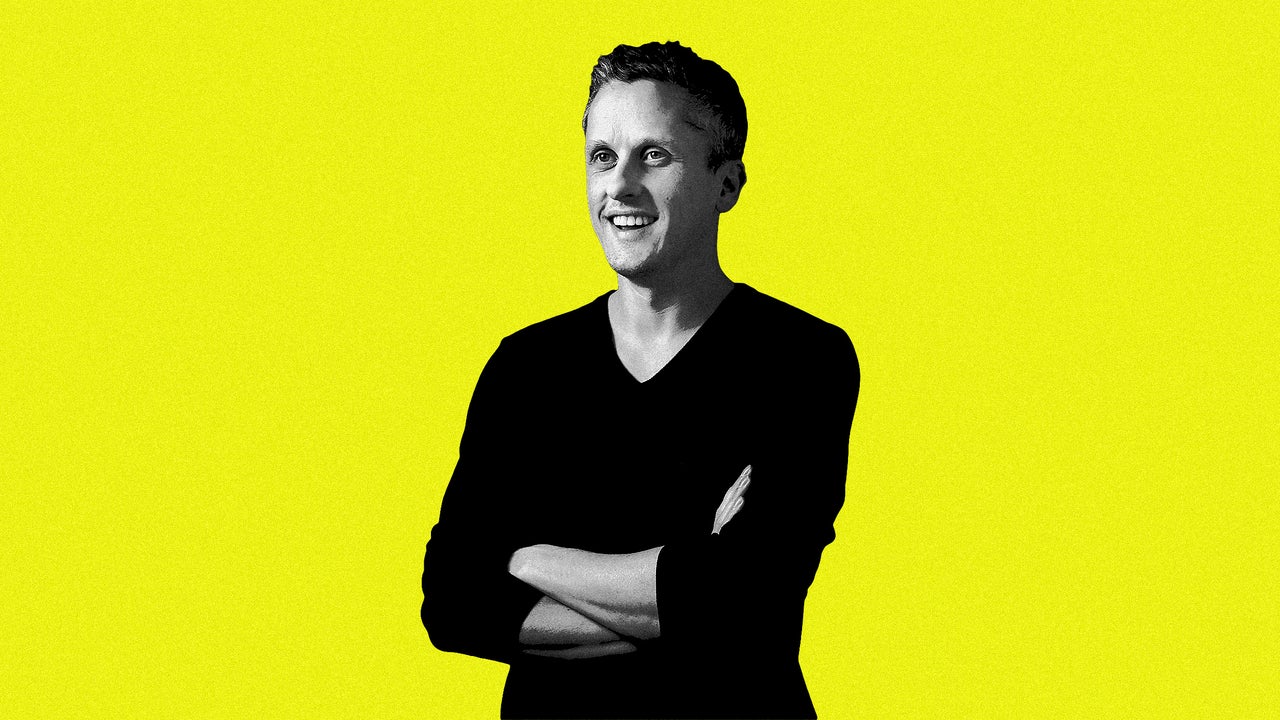
Box CEO Aaron Levie explains that CEOs are particularly prone to what he calls “AI psychosis,” a phenomenon where leaders develop unrealistic expectations about AI after only witnessing its polished results. Levie suggests that this happens because executives are often far removed from the operational work required to make AI truly effective. He points out that while prototypes and quick results look promising, the real challenge lies in the lengthy and complex process needed to achieve sustainable AI outcomes. The best way for CEOs to overcome this is by engaging extensively with AI themselves to understand both its potential and the significant effort behind its deployment. Levie emphasizes this hands-on experience as vital to bridging the gap between AI’s promise and the reality of its implementation. He also shares how AI has transformed his own workflow, enabling deep research and boosting productivity.

A catchy headline that blames HR for corporate stagnation misses the mark by oversimplifying the role HR plays in today's workforce dynamics. Holding HR solely responsible for organizational issues ignores the complexities of modern employment and management.

Economists refer to this as the Tragedy of the Commons, where shared resources are overused to the detriment of the whole. This damaging cycle quietly undermines many organizations' futures, causing long-term harm that's often overlooked.

Successful leadership doesn't guarantee team success. High-performing teams are those that consciously nurture strong relationships, foster trust, and consistently support each other.

Founders often overlook the significant expense of underutilizing their strongest employees, failing to tap into their full potential.

Explore how the element of timing can significantly influence leadership success and the results you achieve.