Many everyday innovations—from curb cuts to automatic doors—originated as disability accommodations but now benefit everyone. Often, workplaces are designed around the idea of an "ideal" able-bodied worker, ignoring the needs of broader and aging workforces. When teams include people with disabilities, coworkers tend to spot inefficiencies and rethink how work is done to improve safety, ease, and effectiveness for all employees. Instead of just giving individual accommodations, redesigning tasks can reduce physical strain and errors for the entire team. For instance, replacing heavy lifting tasks with assistive tools benefits all workers by lowering fatigue and injury risk.
Research shows that exposure to disability prompts coworkers to generate more creative and practical solutions to improve workflows, workspace setup, communication tools, and brainstorming processes. Innovations like documented workflows, captioning in meetings, and structured idea sessions emerged from inclusive practices that address diverse needs, boosting productivity and collaboration.
Managers concerned about slowing down work or singling out individuals should focus on small, reversible changes aimed at improving jobs rather than spotlighting people. Involving employees who experience challenges, running assumption reviews on high-friction tasks, and treating accommodation requests as opportunities to redesign jobs can lead to more sustainable, inclusive workplaces. Embracing disability as a natural diversity factor inspires continuous, practical innovation that benefits everyone—in ways large and small.
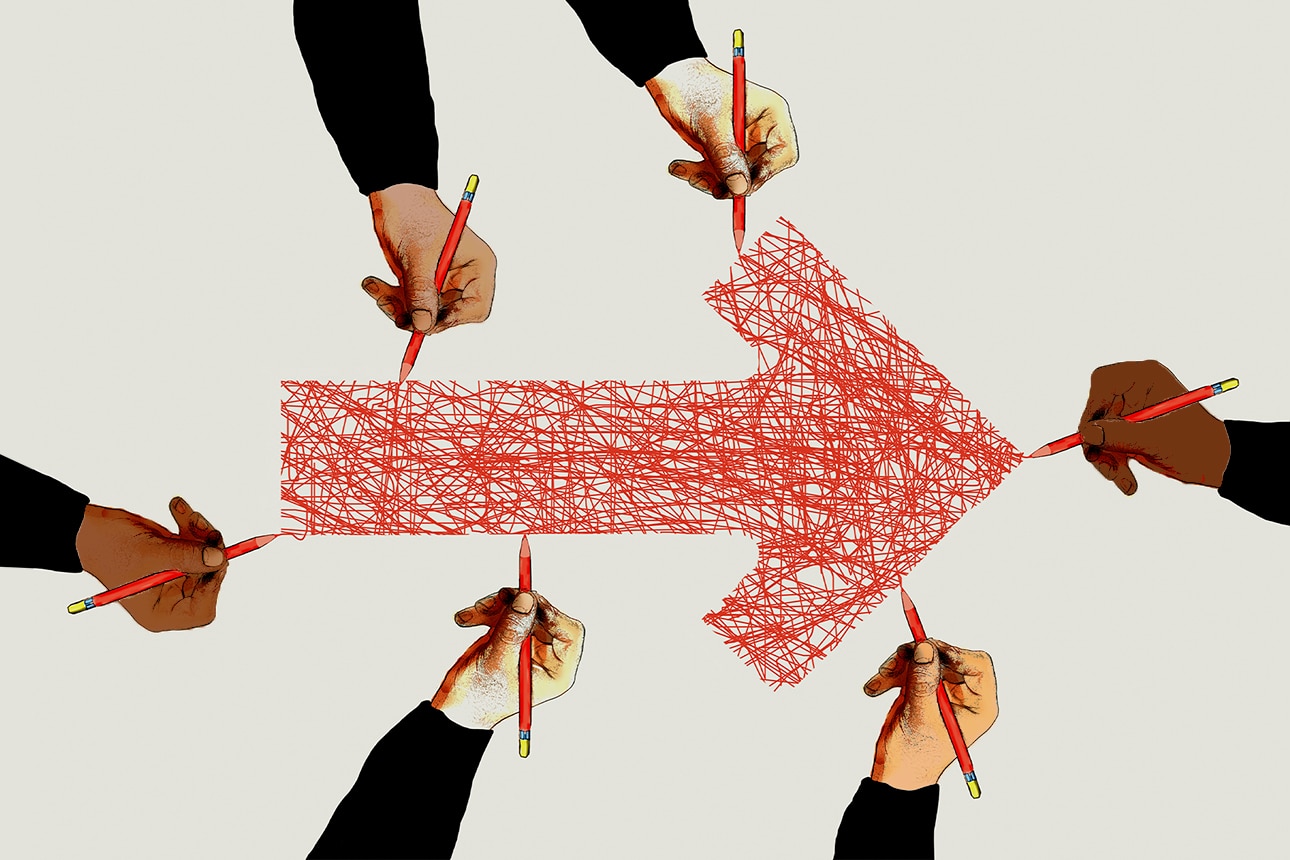

On Wednesday, Cisco Systems revealed its latest quarterly earnings, reporting a strong revenue increase while simultaneously announcing nearly 4,000 layoffs. This move reflects a strategic shift as the company prioritizes investment in areas with the highest demand and potential, notably AI-related technologies. CEO Chuck Robbins highlighted the importance of agility and focus in capturing long-term value and outlined plans to enhance AI integration across the workforce. Despite workforce reductions—which represent under 5% of staff—Cisco’s stock surged over 16%, buoyed by record-high trading and robust financial results. The company posted $15.8 billion in revenue for the quarter, a 12% increase from the previous year, surpassing Wall Street expectations. Cisco is optimistic about continued growth, forecasting up to $16.9 billion in revenue for the next quarter and aiming to exceed $62 billion for fiscal 2026, driven by strong demand for AI infrastructure and networking solutions.

Meta has invested massively in AI technology, requiring employees to adopt AI tools and integrating their usage into performance evaluations. Amid ongoing layoffs, employees are now pushing back against a new initiative: Meta's deployment of mouse-tracking software on company laptops to gather data for AI model training. This tracking is mandatory and has raised significant privacy concerns, sparking employee petitions and flyer campaigns across U.S. offices. Meta defends the practice as essential for building AI that helps with everyday computer tasks, asserting protections for sensitive data. The unrest highlights broader industry tensions around AI adoption, workplace surveillance, and job security, with Meta workers organizing protests citing labor rights.

Justin Judd, CFO of BambooHR, explains effective strategies for retaining junior talent and reducing early turnover in entry-level positions.


Since February, over 50 employees have reportedly departed from SpaceXAI, Elon Musk's recently merged company. This exodus has sparked concerns regarding employee burnout, shifts in leadership, aggressive talent recruitment by competitors, and whether recent financial events have impacted employee retention incentives.

Dropbox has embraced a "virtual-first" work model, allowing its approximately 2,100 employees to work remotely from anywhere globally. Melanie Rosenwasser, the company's chief people officer, emphasized that the pandemic disproved the notion that productivity requires in-person presence. She criticizes hybrid work models as "the worst of all worlds," highlighting the challenges of commuting only to attend Zoom meetings while colleagues remain distributed. Dropbox structures collaboration with core hours for meetings and focuses on asynchronous communication for decision-making. The company supports employee well-being through initiatives like "Meet & Move" to combat sedentary tendencies and offering flexible workdays to balance personal and professional life. Amidst a trend of return-to-office mandates, Dropbox’s remote-first stance helps retain global talent and offers a distinct advantage in attracting workers seeking flexibility and avoiding traditional office routines.
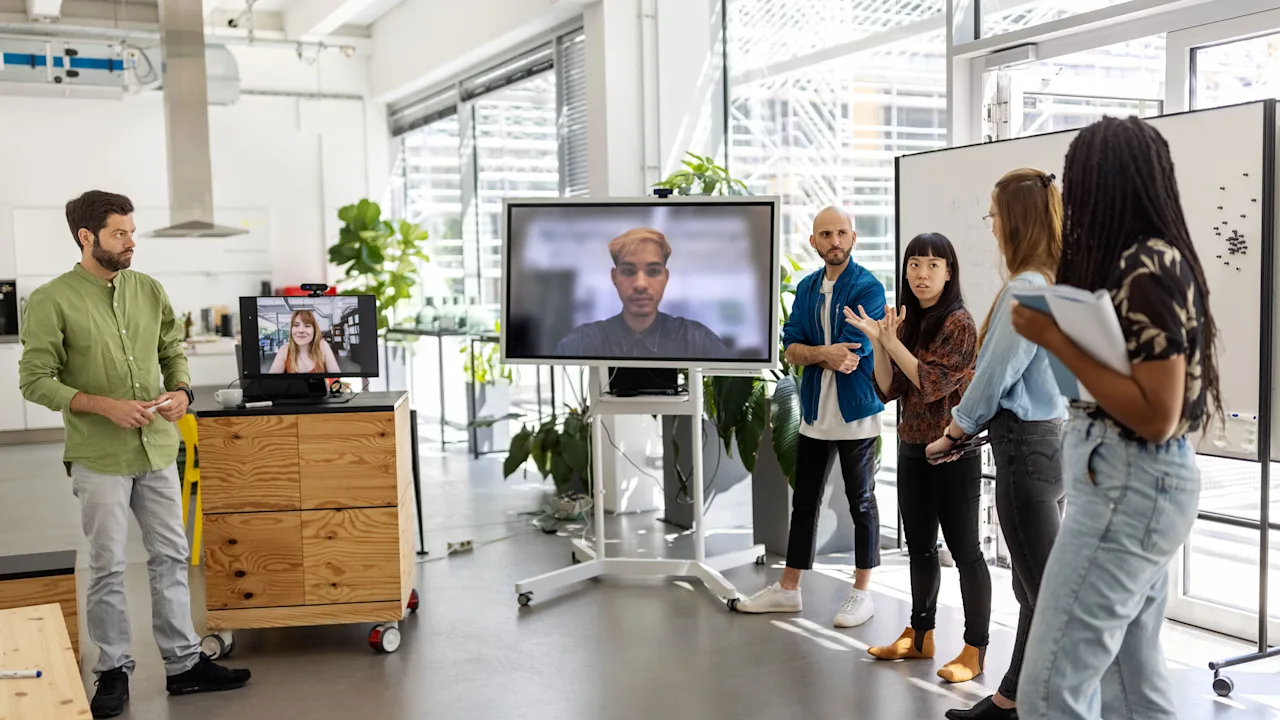

HR leaders must adopt a financial mindset, leveraging data to drive strategic decisions just like CFOs do.


Tech employees report that AI-powered reorganizations are dismantling mentorship opportunities, support systems, and career advancement pathways throughout Silicon Valley. As major tech firms heavily invest billions in artificial intelligence and concurrently reduce their workforce sizes, middle management roles are increasingly targeted for elimination. Many tech CEOs justify these changes by citing AI’s capacity to enable greater productivity with fewer staff, promising leaner organizational structures by cutting redundant management layers. Recently, Coinbase cut 14% of its staff while highlighting the efficiencies gained through AI-driven streamlined management. This move reflects a broader pattern seen at Amazon, Block, Meta, and others, who have collectively laid off tens of thousands of workers, focusing largely on pruning management teams.

Internships go beyond just introductory roles—they serve as powerful tools for cultivating resilient teams, nurturing future leaders, and establishing robust talent pipelines within organizations.


Takeda, a global pharmaceutical company with over 1,000 employees across four locations in Ireland, has announced plans to cut 4,500 jobs worldwide as part of a restructuring effort. This move aims to streamline operations amid changing market conditions.