In this in-depth conversation, Uber CEO Dara Khosrowshahi discusses the company’s strategic expansion beyond ridesharing — including hotel bookings through a new Expedia partnership, personal shopping services, and even snacks in vehicles. He explains Uber’s vision to evolve into an "everything app" by enhancing the travel experience with technology and AI innovations, while navigating risks and trade-offs inherent in a growing platform. Dara shares insights on the current state and future of AI integration at Uber, from coding assistance to customer service automation, as well as the impact of AI token usage on hiring strategies.
The discussion also covers Uber's significant investments in autonomous vehicle technologies through partnerships and equity stakes with companies like Rivian, highlighting the milestones and challenges in bringing robotaxis to market. Importantly, Dara addresses what autonomy means for Uber's drivers, anticipating new complex roles in a mixed human-and-robot driving future. Lastly, he reflects candidly on the limits of AI, the current slow adoption of ride bookings via AI chatbots, and even the emergence of an AI version of himself at Uber for internal use, emphasizing that the best future leadership combines human and AI teaming.
This interview offers an unusually transparent look at how one of the world’s leading tech companies balances innovation, risk, AI advancements, and human impact as it moves into a new era of mobility and travel.


From email systems to productivity monitoring tools, employer-required applications increasingly put workers' privacy and data security at risk without their awareness.


Many AI initiatives stumble not due to technology limitations, but because of unclear objectives. This article outlines how to clarify your AI approach to achieve meaningful business results.


Zhou, a quality assurance supervisor at a Hangzhou tech firm, was tasked with overseeing AI language models to optimize outputs and filter sensitive information, earning approximately $3,640 monthly. In 2024, despite advancements in AI capabilities, the company could not justify replacing him with AI, following China's new rule that deems firing workers solely because AI can perform their jobs illegal.


Almost half of UK job seekers have encountered AI-driven job interviews, with many describing the process as awkward and impersonal. A recent survey by hiring platform Greenhouse, which included 1,132 participants from the UK and nearly 3,000 globally, revealed that 30% of UK candidates abandoned their job applications when faced with AI interviews. This highlights growing discomfort with the increasing use of artificial intelligence in recruitment.

As John Ternus prepares to step into the role of Apple's CEO this fall, Tim Cook has shared a crucial insight with him—an insight often overlooked by business schools and realized too late by many leaders. Cook's advice extends beyond the usual focus on AI and product development, highlighting a deeper dimension of leadership essential for steering one of the world's most influential companies.
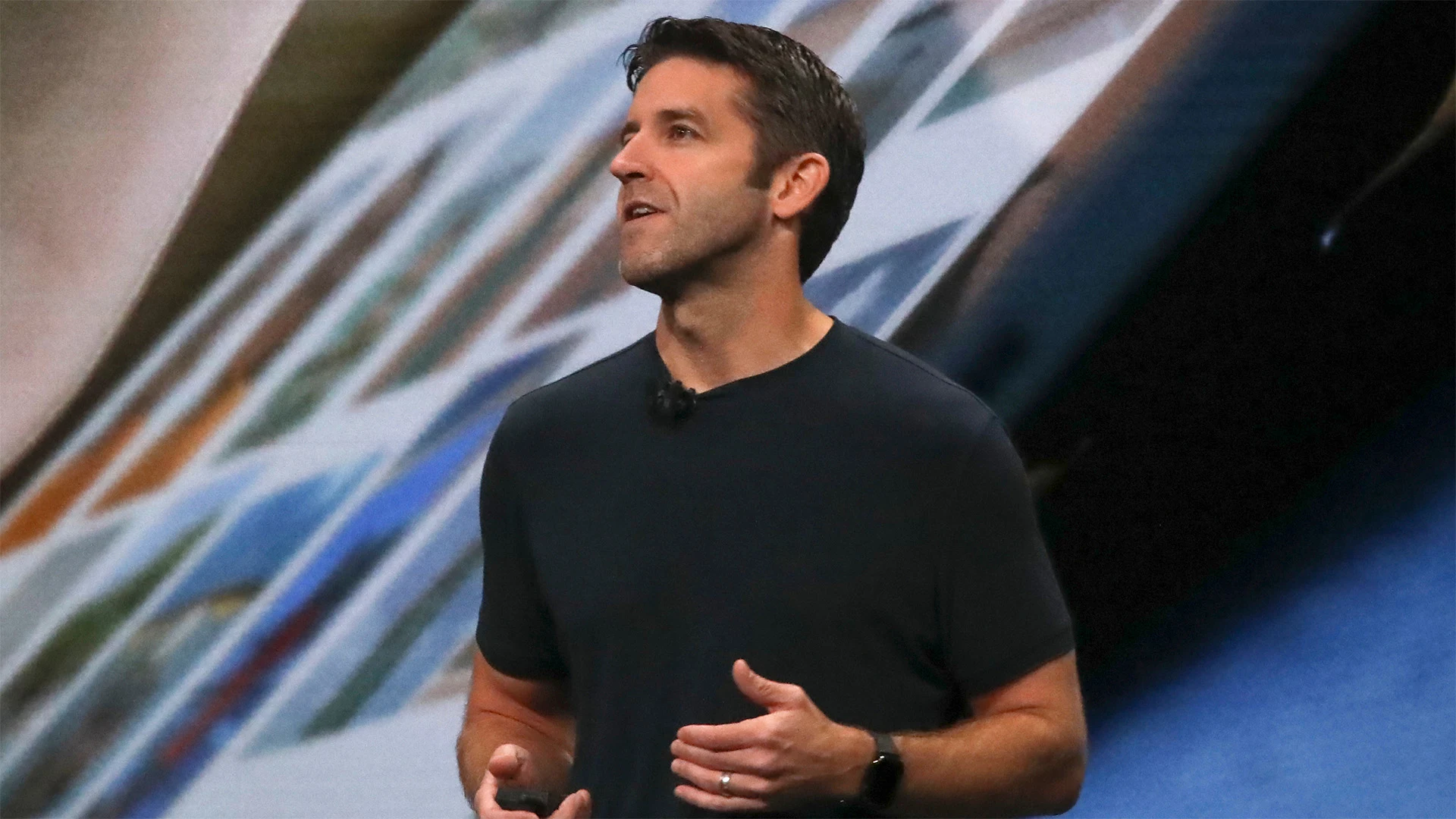
Jamie Dimon, CEO of JPMorgan Chase, highlights a critical issue harming companies: the preference for rigid processes over achieving results. He attributes this problem to individuals he describes as 'jerks' who resist necessary changes, urging businesses to prioritize outcomes and remove those obstructing progress.


Coinbase is reducing its workforce by 14% as part of a strategy to lower expenses and focus more on artificial intelligence. Last year, Coinbase Europe was fined nearly €21.5 million for inadequate transaction monitoring, highlighting regulatory challenges the company faces.
Read more: https://www.siliconrepublic.com/business/coinbase-cuts-14pc-jobs-to-save-costs-and-embrace-ai


Employees at Google's AI research division in the UK have voted to unionize, driven by concerns about the use of the company's AI technology in defense applications. The staff aim to prevent their AI models from being deployed in military contexts, highlighting ethical questions around such partnerships.

Many U.S. companies find it increasingly difficult to hire qualified local talent, according to a recent report by Remote involving over 3,600 HR and business leaders. While hiring in the U.S. appears to have slowed, specialized skills remain in high demand, complicated by tighter immigration and rapid technological shifts such as AI. Firms are turning to global hiring not out of ideology, but necessity, with nearly half reporting business setbacks due to local talent shortages. Hiring internationally also supports local market growth and operational advantages like 24-hour workflows through distributed teams. Nearly half of U.S. companies have hired internationally recently, employing workers across several countries, making global hiring the norm rather than the exception. This trend expands opportunities and challenges for workers and companies alike, underscoring a competitive edge for those embracing a global talent pool.