While aiming to boost overall employee happiness is positive, studies indicate the most significant improvements in productivity come from focusing on transforming unhappy employees into happier ones.
New economic studies reveal that businesses experience greater success when AI tools enhance human efforts rather than reduce workforce numbers.

Research by Robert Walters highlights that many Irish companies lack a well-defined plan for leadership succession.


After nearly 15 years of leadership, Tim Cook will step down as Apple's CEO on September 1. During his tenure, Apple saw its market value soar from $348 billion to around $4 trillion, and its annual revenue quadrupled to $416 billion. John Ternus, Apple's SVP of hardware engineering responsible for about 80% of the company's revenue-generating products, will succeed Cook as the new CEO.

Often, when forming relationships at work and beyond, people look for strong similarities, especially in values, which reflect what they consider important and good. However, limiting connections to only those who share your core values can isolate you from others pursuing different but equally valid values. Professional partnerships often benefit from diverse perspectives and complementary skills. Research into professional networks shows that shared values strongly influence the formation of connections, particularly when combined with physical proximity or teamwork. Shared values facilitate understanding and smooth communication, but relationships with differing values can also thrive if built on mutual understanding. Spending just ten minutes exchanging value perspectives can foster a strong connection regardless of value similarity. To cultivate these meaningful relationships, start by clarifying your own values through reflection on your best and worst work experiences. Once confident, engage in honest conversations about values with others. These interactions often lead to deeper connections, fostering rewarding and authentic professional relationships even amidst diverse values.

Sophie Rowe, a strategy manager at Accenture, shares insights into her consulting career and reveals what drives her passion and motivation in the workplace.


For the fifth consecutive year, MIT Sloan Management Review and BCG have gathered global AI experts to explore how responsible AI (RAI) is practiced across industries. While past discussions concentrated on AI maturity, risks, and governance pillars like accountability and transparency, rising anxieties about AI's effects on employment have come to the forefront. Many companies have reported layoffs citing AI-driven efficiency as a reason, prompting calls to consider workforce implications as a critical part of responsible AI.
A strong consensus among experts emphasizes that responsible AI should not only address system safety and bias but also acknowledge its sociotechnical nature—how AI reshapes jobs, skills, power dynamics, and economic stability. Workforce impact must be integrated into AI governance at all levels, including board decisions. Neglecting this can lead to serious social and economic challenges, including worker displacement, increased inequality, and reduced consumer trust.
Experts advocate for comprehensive strategies involving reskilling and transparent communication with workers, though they highlight that human learning may lag behind technological advances. Responsibility for managing AI’s workforce effects is shared across businesses, governments, and policy makers. Without deliberate leadership and proactive policies, the negative consequences on workers and society may outweigh the benefits gained from AI efficiencies.
To address these challenges, organizations should broaden RAI frameworks to include workforce considerations, embed workforce metrics in AI strategy, evaluate worker impacts alongside technical risks, involve employees in decision-making, and designate clear accountability for workforce-related outcomes.


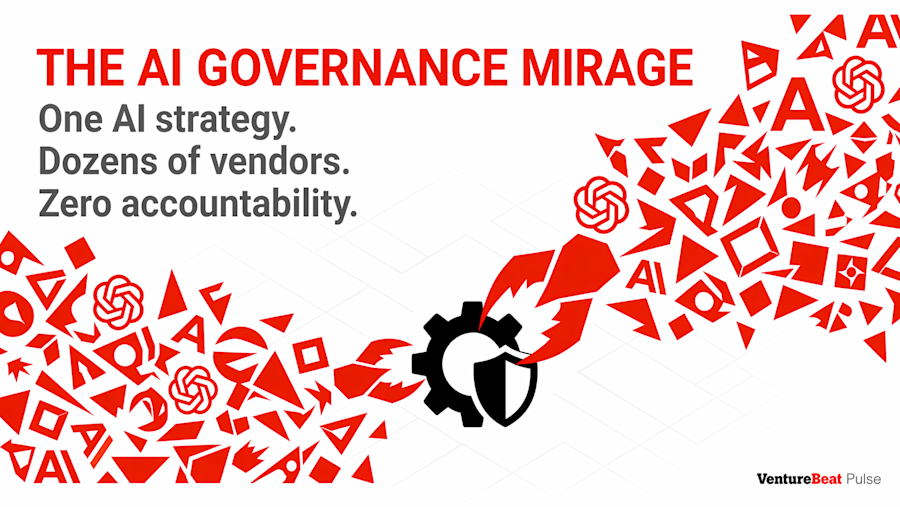
A recent VentureBeat survey of 40 enterprise companies reveals that 72% claim to operate two or more primary AI platforms, exposing significant gaps in AI governance and security. The proliferation of AI platforms—from leaders like Microsoft Azure, Google, OpenAI, Anthropic, and other major software vendors—has led to operational sprawl without a unified strategy. This creates contradictions in control and security, as seen in examples like Mass General Brigham hospital system, which built custom solutions around large providers’ AI tools to address data privacy concerns.
The survey data highlights a governance paradox: although 56% of enterprises express confidence in detecting AI misbehavior, many lack systematic mechanisms and clear ownership of governance responsibilities. Vendor opacity and the absence of a single accountable team are among the biggest obstacles. Industry voices like Red Hat warn of "day-two" challenges, where initial ease of adoption masks the complexity and risk of vendor lock-in or unmanaged shadow AI projects.
Some enterprises adopt a flexible "dynamic defensive" approach, avoiding long-term commitments due to rapidly evolving vendor landscapes. Meanwhile, platform providers increasingly offer "managed agents" that consolidate more AI operations but risk deepening dependency and reducing oversight.
Security risk escalates as many enterprises rely on the very providers that generate AI risks to also secure their systems, creating a "security irony." In response, experts call for a centralized "control plane" or a "Dynatrace for AI"—a unified observability platform that enables end-to-end visibility and control, including a hard-stop "big red button" for emergency intervention. Enterprises need to formalize governance with independent oversight rather than depend solely on vendors, ensuring sustainable AI scaling amid evolving risks.
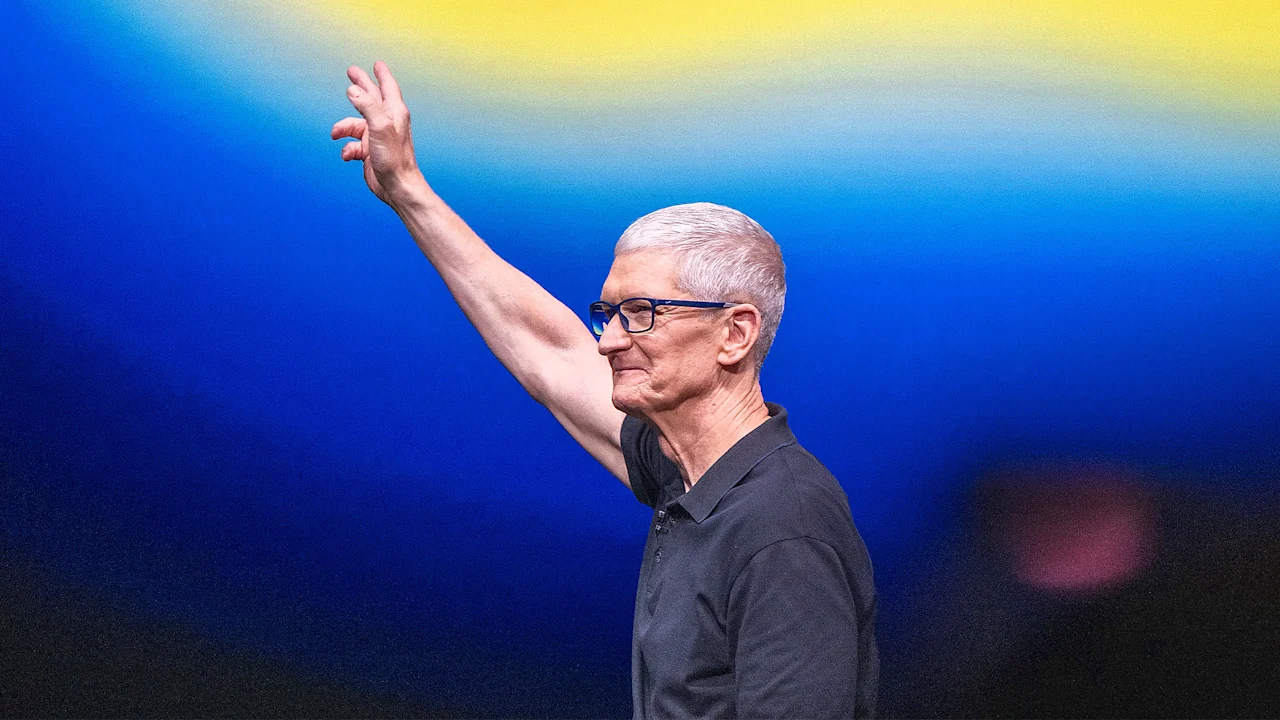
This September, Tim Cook will step down as Apple CEO after nearly 15 years, handing the reins to John Ternus, the company's senior vice president of hardware engineering. Cook praised Ternus as a dedicated engineer with 25 years at Apple, perfectly suited to continue the company's legacy. This internal succession aligns with broader trends highlighted in Egon Zehnder's 2026 Succession study, which shows 82% of CEOs over the past decade were promoted from within, with first-time CEOs being 88% internal hires. External hires tend to represent strategic shifts, whereas internal promotions often indicate a desire for stability and continuity. Ternus’s appointment suggests Apple plans to maintain its current trajectory, focusing on product innovation, a view supported by Morgan Stanley analysts. The study also reveals internally promoted CEOs tend to have longer tenures than those hired from outside. Cook’s own path—from Steve Jobs’ hire in 1998 to CEO in 2011 after 13 years—mirrors this pattern.
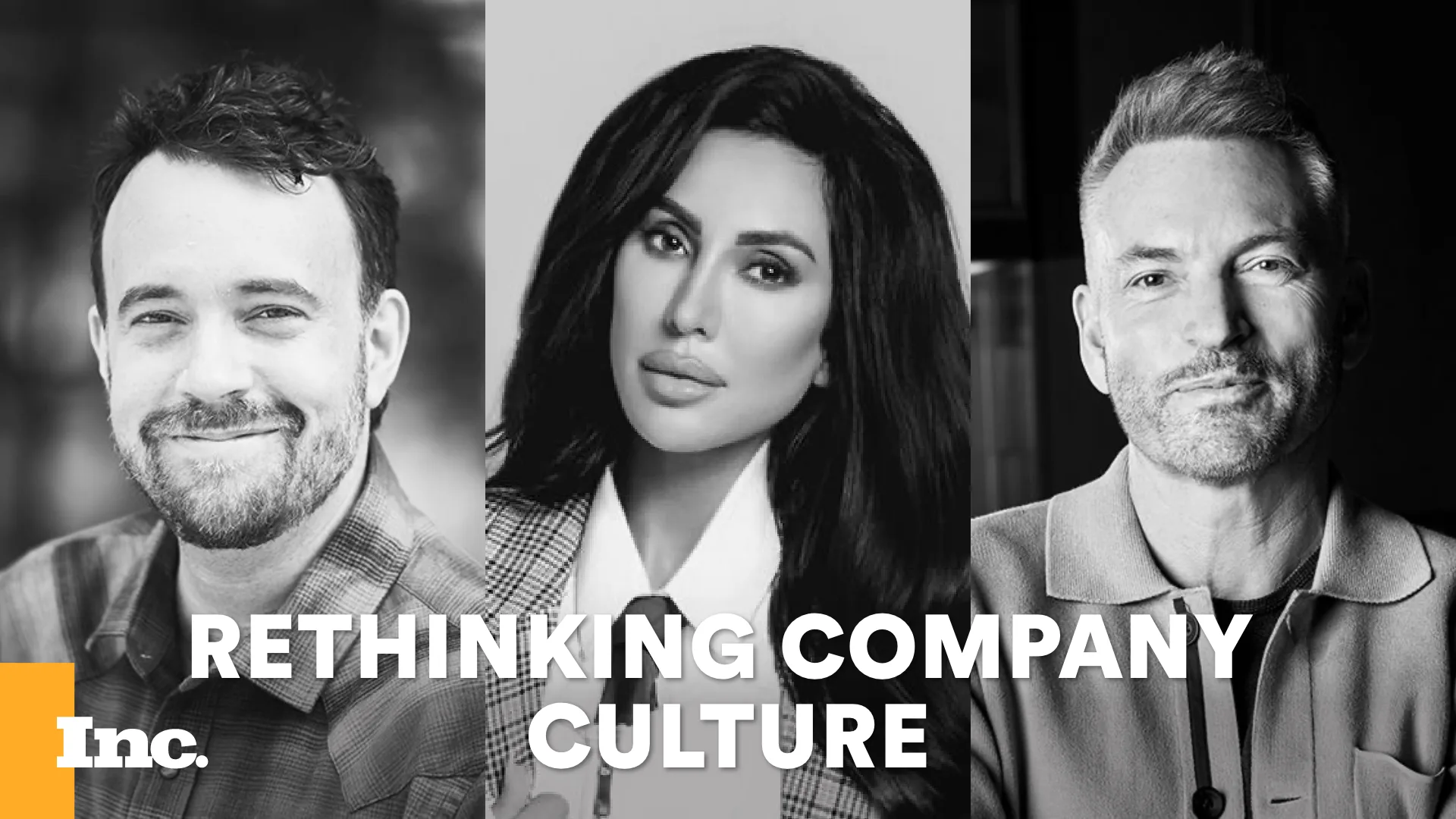
In an ever-evolving workplace, how can companies maintain a vibrant culture? Founders from Olipop, HexClad, and Cymbiotika share insights on redefining leadership and creating systems that nurture a sense of belonging and resilience among their teams.