


Imagine living in a technologically advanced home where AI manages your daily comfort, but without solid foundational infrastructure, the system falters. In finance, AI represents the smart technology enhancing efficiency and decision-making, while blockchain provides the reliable, transparent infrastructure supporting these innovations. Together, they form a powerful duo reshaping the financial landscape.
Blockchain is becoming the essential foundation for programmable money—digital currencies with embedded logic that enable fast, automatic transactions, such as paying AI agents in real time via stablecoins. Major companies like Google, PayPal, Mastercard, and American Express are pioneering this integration.
Additionally, blockchain offers financial transparency by creating immutable records of AI-driven decisions in underwriting, enhancing fairness, explainability, and regulatory compliance. This combination fosters more transparent, durable financial systems.
Leaders must prepare for this shift by building strong blockchain infrastructures, embedding fairness and transparency in AI applications, and moving beyond pilot programs to mission-critical deployments. Embracing AI and blockchain now is crucial to leading the future of finance.
Michael Tannenbaum, CEO of Figure, emphasizes that while AI amplifies capabilities, blockchain ensures system integrity and accountability, heralding a new era in financial technology.

Recognize the robin's egg blue of a Tiffany box, and you immediately associate it with luxury. The sturdy brown of a UPS truck evokes reliability, yellow Minions bring a smile, and Valentino’s vivid Pink PP Collection inspires boldness. Color transcends decoration—it’s a critical tool that builds trust, drives sales, and makes brands memorable. Selecting the right hues creates emotional connections that influence purchasing behavior, while wrong choices risk losing customers and credibility.
Color triggers immediate subconscious associations, impacting customer judgments within seconds. For example, blue often conveys trust and stability in U.S. tech and banking sectors, while cultural perceptions vary worldwide, making color choice essential for global brands. Investing in smart color strategies enhances brand recognition by 87% and influences up to 85% of buying decisions.
Successful brands use color not just to follow trends but to set them, ensuring consistency across all platforms—from packaging to digital presence—to strengthen consumer loyalty. Iconic colors like Tiffany Blue or Heinz 57 Red demonstrate how strategic color use boosts market presence and profitability. Ultimately, a strong color strategy keeps a brand competitive, relevant, and financially thriving.

Earlier this week, I used Perplexity’s Comet browser to handle my entire grocery shopping. By sharing my shopping list from Google Keep, the AI efficiently added items—including regular favorites—to my Kroger pick-up cart and moved me straight to checkout. This kind of AI integration showcases why companies like Perplexity, The Browser Company, OpenAI, Opera, and Microsoft are launching AI-powered browsers designed to simplify internet navigation and automate repetitive tasks. However, despite their enticing capabilities, AI browsers raise significant security and privacy concerns, such as prompt injection attacks that could expose sensitive data. Additionally, current AI browsers often lack essential browsing features, making them less user-friendly compared to traditional browsers. Given these trade-offs, I use AI browsers selectively and avoid signing into sensitive accounts to mitigate risks. Still, as major players embrace AI browsing, these tools are likely to become an unavoidable part of our digital lives.
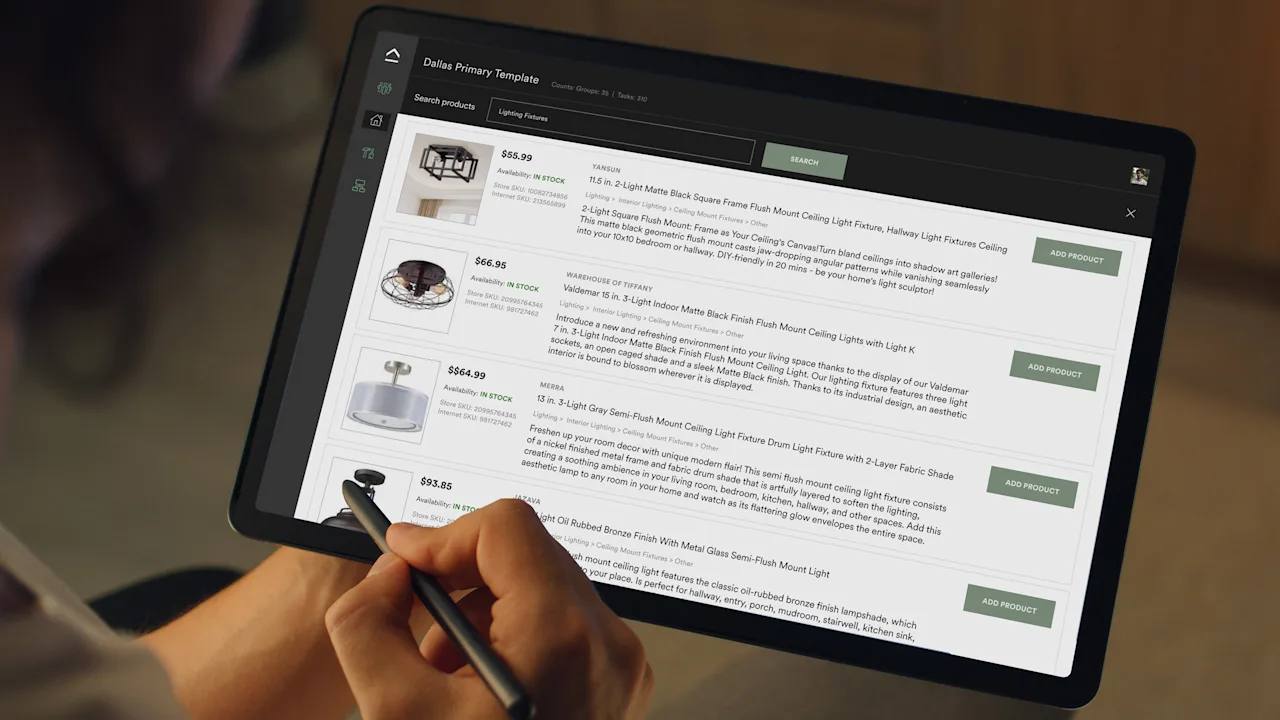
House flippers are gaining a powerful ally in AI technology with the new tool Kai, which identifies materials and estimates costs from photos and videos of renovation projects. Kai has partnered with Home Depot, integrating its material selection system with Home Depot's extensive inventory of 3.5 million items, enabling users to immediately order necessary supplies. The AI platform, described as an "AI-native renovation intelligence platform," can analyze images to determine repair needs, suggest replacement options with price and availability, and tailor renovations based on project type and budget. Kai replaces Home Depot's previous RenoWalk tool, leveraging data from thousands of past renovations to enhance precision. Initially serving large institutional investors, Kai plans to expand services to individual landlords, DIYers, and contractors. CEO Or Agassi highlights Kai's potential to reduce project timelines and costs, addressing the significant shortage of affordable single-family rental homes in the US, by streamlining renovation workflows and making housing updates more efficient and scalable.

For 30 years, web browsers have been the main tool for navigating the internet. With AI becoming more advanced, OpenAI has launched Atlas, an AI-powered browser integrating ChatGPT as a constant assistant. Atlas follows Perplexity's Comet, another AI browser enabling users to command AI agents to perform complex online tasks like shopping. While Comet offers features like Chrome-like multitasking and extensions, Atlas leverages the widespread use of ChatGPT and remembers browsing context to enhance assistance.
Google Chrome, despite its dominance, struggles to implement strong AI features quickly due to security concerns. The future of AI browsers depends on whether AI browsing becomes mainstream. Current AI agents excel in simple tasks but lack the ability to handle complex, context-rich commands efficiently. OpenAI envisions a future where agentic browsing handles routine online activities, freeing users to focus on important tasks.
For media publishers, AI browsing presents challenges and opportunities. Content accessed and filtered through AI agents raises questions about information control and licensing. Publishers must adapt to AI agents constituting a significant portion of their audience, deciding how agents interact with content, subscription access, and monetization. Future strategies could include AI-mediated licensing and measuring AI-driven engagement to reach and convert audiences.
As AI agents become more prevalent, resolving security and access issues will be crucial. The media landscape must balance content creators' interests with those developing AI agents, ultimately shaping the future of internet use and media consumption.

Stablecoins, while less speculative than other cryptocurrencies, are gaining significant attention in financial technology. Mastercard is reportedly in advanced talks to acquire Zerohash, a stablecoin startup valued between $1.5 and $2 billion. Zerohash offers banking institutions tools to issue their own cryptocurrency and stablecoin products, marking a substantial move by Mastercard into crypto infrastructure. This deal follows Mastercard's earlier competition with Coinbase to acquire BVNK, a startup enabling stablecoin transactions, though Coinbase led those talks. Stablecoins bridge volatile cryptocurrencies and stable national currencies, offering benefits like instant transactions without price volatility. Recent market interest includes Stripe's $1.1 billion acquisition of the crypto payments platform Bridge and Chase's stablecoin rewards program with Coinbase. Mastercard's crypto interest includes joining the Global Dollar Network and acquiring crypto analytics company CipherTrace. Traditional financial giants, and even retailers like Walmart and Amazon, are exploring stablecoins to reduce transaction fees. The surge in stablecoin deals and crypto values is also influenced by deregulation during Trump's presidency, with significant investments backing crypto ventures. This trend suggests stablecoins could sustain real-world use cases beyond speculative gains.

The demand for obesity and diabetes treatments continues to skyrocket, delivering billions in sales to Eli Lilly and sparking a competitive bidding war over Metsera Inc. Eli Lilly reported that its top drugs, Mounjaro and Zepbound, generated over $10 billion in sales in Q3, constituting more than half of its total $17.6 billion revenue. Meanwhile, Danish firm Novo Nordisk unveiled plans to acquire Metsera for up to $9 billion, outbidding Pfizer’s nearly $5 billion offer. Metsera, focused on developing oral and injectable obesity and diabetes therapies, holds significant appeal in the growing market for GLP-1 receptor agonists, drugs that aid in appetite regulation. Despite their success, these treatments can cause side effects and are costly without insurance, limiting patient access. Both Lilly and Novo Nordisk are pursuing easier-to-use pill versions of these injections. In 2023, combined sales of Lilly's weight-loss and diabetes drugs neared $25 billion, surpassing the company's total revenue from 2020 and contributing to record profits. The acquisition battle highlights intense industry competition as companies seek to capitalize on the expanding obesity and diabetes treatment market.

UnitedHealth announced an increased annual profit forecast and projected growth for 2026, signaling successful turnaround efforts led by new CEO Stephen Hemsley. Shares rose over 5% in premarket trading after the company posted better-than-expected quarterly earnings, managing to control medical costs effectively. The insurer raised its 2025 adjusted profit per share forecast to at least $16.25, surpassing analysts' expectations. Hemsley, who returned to the CEO role this year, is focused on restoring investor and consumer confidence while addressing elevated medical costs. For Q3 ending September 30, the company reported a medical loss ratio of 89.9%, aligning with internal targets and exceeding market forecasts. Revenue at UnitedHealth's Optum health services was stable year-over-year, while Optum Rx's revenue increased by 16%, driven by higher prescription drug volumes. Adjusted quarterly profit was $2.92 per share, beating estimates.

OpenAI has completed a major restructuring, converting its business into a public benefit corporation with the nonprofit maintaining control over the for-profit entity. Delaware and California attorneys general have approved the plan, ending a lengthy regulatory review. This move allows OpenAI to better monetize its AI technology while keeping safety and charitable objectives in focus. The company also updated its partnership with Microsoft, granting the software giant a 27% stake in the new for-profit entity and refining their collaboration terms. Microsoft will retain commercial rights to OpenAI products through 2032 and certain rights to research methods until 2030 or the verification of artificial general intelligence (AGI) by an independent panel. The nonprofit arm, renamed the OpenAI Foundation, will invest $25 billion in health, disease curing, and AI cybersecurity over time. Despite criticism that nonprofit control is largely symbolic, OpenAI’s governance includes robust oversight mechanisms to ensure safety and mission adherence. The restructuring was partly motivated by internal leadership changes and ongoing legal challenges from Elon Musk regarding the company’s for-profit conversion.

In 2018, Joy DasGupta left her 13-year marketing career at Starbucks to become an independent rewards program consultant. As a mother and caregiver, she found corporate life inflexible and stressful, especially amid company restructuring that threatened her job security. She values the flexibility of solopreneurship, which allows her to balance work and family while earning a good income. Amid return-to-office demands, AI-driven job worries, and a tough labor market, many American employees feel disengaged and seek alternatives. Meanwhile, solopreneurs, who run full-time independent businesses without staff, are thriving. A Gusto study shows solopreneurs typically earn one-third less than employees in year one but surpass employee earnings by 15% in year two and 25% by year five, with an average income growing significantly over three years. Popular sectors include professional, scientific, technical services, transportation, and warehousing. The rise of internet and AI technologies has made running a solo business easier and more efficient, enabling professional marketing and operations without a team. Changing work values since the pandemic have driven more workers to seek autonomy and meaning outside corporate jobs, especially caregivers and women seeking flexibility. Negative corporate trends such as return-to-office mandates, layoffs, and wage stagnation contribute to this shift. DasGupta reflects positively on her move to solopreneurship, valuing the focus on producing work without the constraints of corporate meetings and schedules.