Innovation has become a common buzzword, often losing its real meaning through overuse. When asked to define it, many executives offer vague and unhelpful answers. The truth is innovation is challenging and celebrated more in hindsight than practiced in the moment. Three key secrets stand out:
-
Innovators have a distinct mindset or phenotype, defined by a willingness to question norms and accept calculated risks. This mindset can't simply be installed—it flourishes when the company culture supports risk-taking and learning from failure.
-
Speed outweighs certainty in decision-making. Rapid decisions with incomplete information often trump slow, perfect choices. In early stages, focusing less on competitors and more on building what should be is crucial.
-
Failure isn’t the enemy—it’s necessary for progress. The key lies in failing wisely: quick, small, and insightful experiments that lead to learning without draining resources. Companies that manage failure well foster a culture of safety where insights, not defeat, come from setbacks.
Ultimately, innovative companies are agile, embrace risk strategically, and hire individuals with the right innovative traits to push boundaries continuously.

Delta's Chief Sustainability Officer, Amelia DeLuca, champions environmental leadership through technology innovation and driving organizational change. Her approach focuses on making Delta's operations more sustainable while fostering the airline’s long-term growth, sharing her authentic perspective on leadership.

The surge in AI company IPOs is imminent, with OpenAI's recent confidential filing marking a pivotal moment alongside other major players like SpaceX and Anthropic. These IPOs are expected to raise unprecedented amounts, vastly exceeding past records like Alibaba's $22 billion in 2014. Investors face a critical decision on whether the influx of Mega-IPOs represents sustained opportunity or an overextension. While companies like Anthropic anticipate profitability soon, others, including OpenAI and SpaceX, project substantial losses, raising concerns about valuations and market saturation. The AI sector's financial dynamics are further complicated by circular investments among major tech firms, blurring true demand signals. Economists worry about a potential bubble reminiscent of the dotcom era but on a larger scale, especially with rising interest rates possibly tightening liquidity. To mitigate risk, investors are advised to maintain diversified portfolios beyond AI-related stocks.

Leaders often treat layoffs as a communication challenge, focusing mainly on what to say and how to say it to avoid panic or damage. However, layoffs are moments when employees judge if leadership can still be trusted, with this judgment happening almost instantly today. While no layoff feels good, there's a clear difference between a well-handled decision marked by clarity and care and a breach of trust caused by poor execution.
Employees react not just to the layoffs but to how they experience them — the timing, tone, and whether they feel respected or just a cost. Leaders frequently underestimate people's resilience; the real challenge is the disorientation caused by avoidable missteps like abrupt notifications and lack of context, which damage trust and morale among remaining employees.
Delaying communication waiting for full certainty is a major leadership mistake. Silence breeds speculation and erodes credibility. A transparent approach, sharing knowns, unknowns, and next steps, builds trust over time.
Reducing harm where possible is critical. Thoughtful actions such as live Q&A sessions, equipping managers with clear messages, and allowing time for closure help maintain dignity and community.
Softening messages to comfort leaders often leads to vagueness and blame-shifting, which undermines trust. Clear, honest communication about layoffs builds understanding even if the news is tough.
The effort continues after announcing layoffs. Leaders must acknowledge emotions, communicate the company’s future direction, and encourage ongoing openness to avoid disengagement.
There is no 'right' way to lay people off, but how leaders handle it makes a lasting impression on how employees perceive the company during its toughest moments.

As artificial intelligence (AI) takes over many entry-level tasks, opportunities for early career roles have dropped sharply, with job postings declining by 35% since 2023. This shift has created a significant experience gap: entry-level candidates often lack the practical skills employers now seek, while traditional pathways to gain those skills are vanishing.
Historically, entry-level roles served as a starting platform where new graduates could develop workplace skills, contribute meaningfully, and build confidence. However, with AI automating these roles, employers are less inclined to invest in training early-career talent, which disrupts the traditional talent development model.
To address this, educational institutions must now take the lead in creating learning environments that simulate the first years of professional work. Incorporating technology like simulations, virtual and augmented reality into coursework can provide hands-on, real-world applications, blending learning with experience.
Additionally, continuous experience pipelines through structured co-op programs, work-integrated learning, and flexible externships can help students gain relevant skills amid highly competitive internship markets. This ongoing exposure empowers students to develop skills and confidence aligned with workplace expectations, benefiting both learners and employers.
Moreover, the learning process extends beyond graduation, as early career readiness grows increasingly essential in navigating today’s evolving job landscape. Employers investing in experiential learning partnerships with institutions can build a stronger, diverse talent pipeline ready to contribute from day one.
As AI reshapes entry-level work, the traditional system for developing early experience is shifting. Redesigning how experience is gained is critical to ensuring young workers are not left behind. The future demands new skills and approaches, and education must adapt now to meet that challenge.

What is the real purpose of a manager today? Executives see managers as key to accountability and performance, while many employees view management as the main advancement path. This dual reality highlights the need to rethink management roles. Organizations often overpopulate leadership ranks by promoting employees as a retention strategy, yet only 22% of managers feel engaged at work globally. With AI rising, companies have a chance to manage more effectively with fewer managers by enhancing human judgment instead of relying on outdated practices.
Managers play crucial roles—setting goals, coaching, hiring, and fostering team culture. However, management has become a social contract, offering higher pay and influence, creating a glut of untrained "accidental managers" who may miss warning signs like burnout. Without good data and metrics, assessing manager effectiveness is tough, and sprawling management layers lack the insight to improve performance. AI offers a way to rebuild management by focusing on informed decisions rather than instinct.
Often bogged down by administrative tasks, managers spend little time on people development. AI can democratize access to strategic insights, enabling managers to align decisions with company strategy and team dynamics. A unified AI system can enhance decision-making by providing data-driven insights, improving people practices, aligning strategy with execution, and helping leaders identify and support effective managers. Rather than relying on generic tools, AI should integrate with core management processes to drive real impact.
Legacy management structures persist out of familiarity, but AI can disrupt this by promoting readiness-based leadership and real-time support. A modern management model empowered by AI connects workforce data, enabling managers to implement strategy day-to-day and giving executives visibility into frontline success. Coupling this technology with clear leadership standards ensures AI fulfills its potential to elevate management roles and foster stronger teams.

Within every organization, middle managers are under immense pressure, tasked with bridging executive vision and team productivity while facing unprecedented challenges. Unlike C-suite leaders or frontline employees, these managers handle a complex mix of responsibilities—from spotting burnout to managing their own anxieties about AI, economic shifts, and job uncertainty. Recent surveys reveal that 82% of senior managers find management harder than ever but lack adequate training and tools to support their teams' mental health effectively. With high expectations, fears of layoffs, and increased workloads, many managers are experiencing rising rates of mental health issues and stigma, leading to a culture where suffering is masked and ignored. Addressing this requires clear data tracking, leadership openly modeling vulnerability, and comprehensive training focused on psychological safety and emotional support—recognizing that managers are critical to executing any organizational strategy and must be supported accordingly.

Today’s workplaces bring together four distinct generations: baby boomers, Gen X, millennials, and Gen Z, each with unique perspectives on leadership, communication, flexibility, and the role of AI. In a recent FC Live session, moderator Maia McCann facilitated a conversation with Fast Company editor Shalene Gupta and workplace expert Lindsey Pollak, alongside Gen Z contributors María José Gutiérrez Chávez and Sage Swaby. They explored the sources of generational tensions and shared insights into what the youngest generation truly seeks from their work environment. The discussion provides actionable guidance for leaders aiming to harness generational diversity as a catalyst for innovation.

Many sense a problem: board recruiting isn’t functioning as it should. Boards worry they only tap familiar candidates, while qualified leaders wonder why they’re overlooked. Both views are accurate—the system favors known names, especially former CEOs and CFOs, because risk aversion leads boards to seek safety in proven relationships and titles. Data shows most new board seats go to individuals with prior top executive experience, reinforcing this trend.
The board search process is less about discovering talent and more about verifying trusted candidates. Networking dominates appointments, with 70% made through existing connections rather than search firms. The solution lies in building trust and familiarity well before the search begins, not during the brief recruitment window.
Successful firms nurture long-term relationship-building through advisory boards or structured networks, with dedicated personnel managing ongoing engagement genuinely and transparently. This approach yields more diverse, trusted, and deeper networks, breaking the cycle of recycling names. Boards must shift from reactive to proactive relationship-building if they want real change.

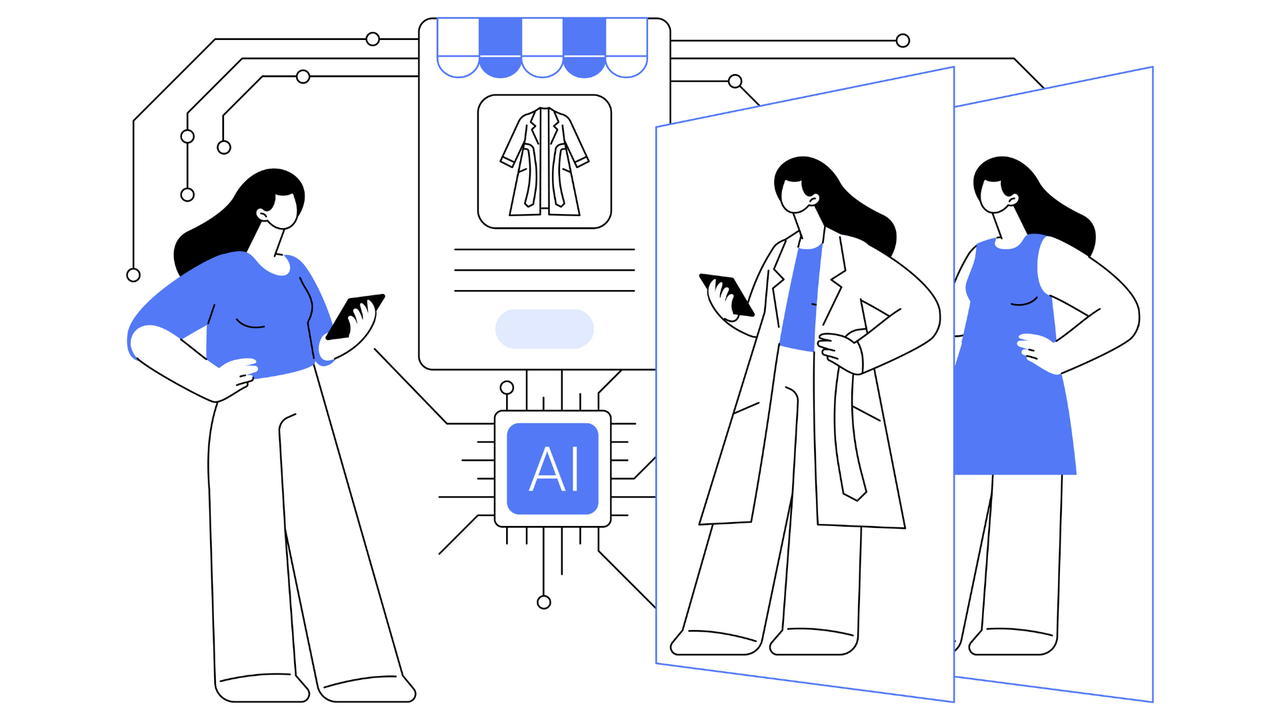
Online shopping has evolved from simple keyword searches to a conversational experience powered by AI. Instead of searching for specific products, shoppers describe their needs and constraints, and AI tools like ChatGPT and Gemini ask clarifying questions to recommend relevant products. This shift is changing consumer behavior and the commerce landscape.
AI recommendations happen in two key stages. First, the model selects products that fit the shopper’s constraints and category — for instance, a shampoo suited for sensitive scalps within a price range — filtering out products that lack clear positioning or data. Then, AI ranks the filtered set, prioritizing items with trustworthy signals like certifications, consistent product data, and reliable reviews. Products with well-structured, AI-friendly content gain much higher visibility.
Brands must adapt by providing precise, verifiable product information that AI can parse and validate across multiple platforms including retail sites and forums. The aim isn’t just SEO keywords but building a robust digital footprint that enables AI to confidently recommend their products. Clear attribute data, use cases, and trust signals are critical for rising in AI-driven recommendations. As AI increasingly shapes what consumers see, having accurate and comprehensive product data will be a competitive advantage.
Kimberly Shenk, cofounder and CEO of Novi, emphasizes that brands need to focus on why they might be excluded from AI recommendations and what it takes to be included, rather than just appearing for specific search prompts.