


Gucci's latest short film, Generation Gucci, directed by Oscar winner Jonathan Glazer, takes viewers on a surreal journey set in a moonlit roadside motel. The two-minute piece blurs the lines between dream and reality with striking visuals, including cars drifting across the night sky. The soundtrack transitions from Mina’s vintage pop to the intense energy of Slipknot’s "(sic)" before melting into Charles Aznavour’s soulful ballad. Slipknot percussionist M. Shawn "Clown" Crahan, inspired by Alexander McQueen, adds a fitting edge to the film’s fusion of fashion and chaos. The project also features Gucci’s 2026 collection, showcasing a seamless blend of high fashion and disruptive creativity.

Luxury brands today are shifting their focus from chasing unattainable perfection to embracing genuine authenticity.
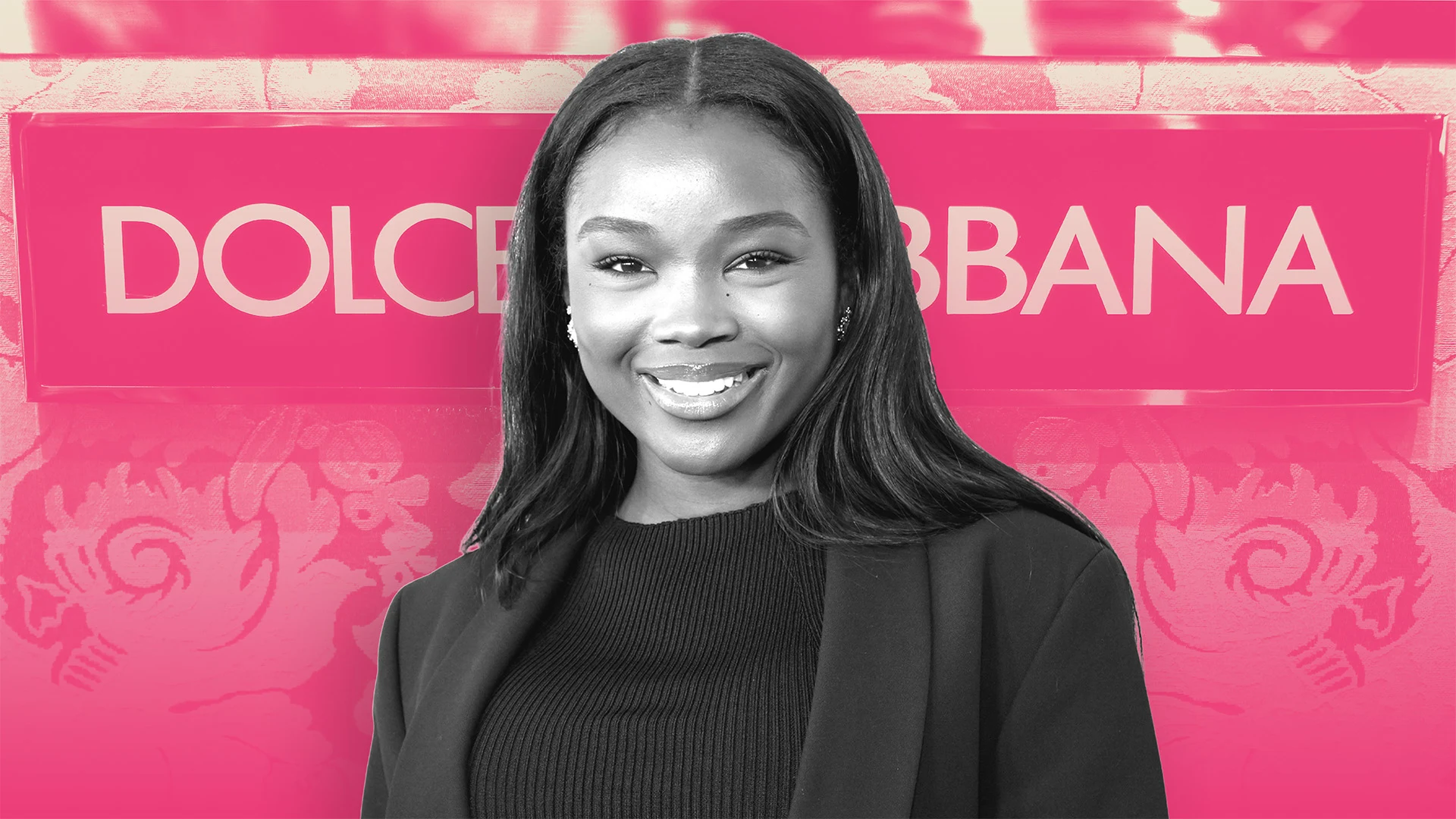
LVMH has officially sold the Marc Jacobs label to WHP Global, signaling a notable change in the luxury fashion sector. While the brand ownership shifts, Marc Jacobs will continue to steer the creative vision of the label. This deal reflects LVMH’s focus on streamlining its brand portfolio and WHP Global’s aim to strengthen its foothold in upscale fashion. Known for its fusion of avant-garde creativity and mass appeal, Marc Jacobs remains a key player in modern fashion. This sale exemplifies the industry's broader trend of consolidation as brands respond to changing customer preferences and shifting global markets.

IBM and Scuderia Ferrari, in collaboration with HP, are transforming the Formula 1 fan experience by leveraging advanced AI technologies. This partnership aims to create more personalized and immersive interactions for superfans, redefining how enthusiasts connect with the sport.


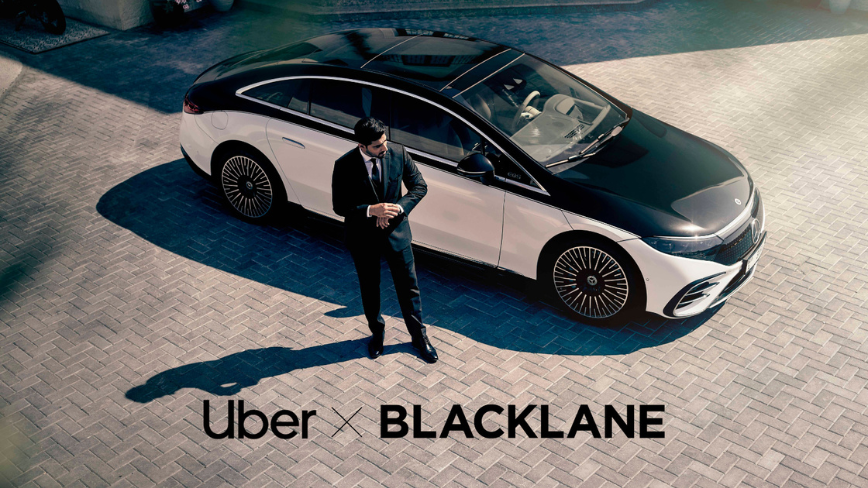
Uber has announced its plan to acquire Blacklane, a global chauffeur service founded in Berlin and supported by Sixt and Mercedes-Benz. Although financial details have not been disclosed, the deal is expected to finalize by the end of 2026. This move comes shortly after Uber introduced its Uber Elite chauffeur offering, signaling the company’s strengthened focus on serving corporate and executive travel markets. The acquisition is set to enhance Uber’s position in the luxury and business travel sector.
The smartest strategy for a brand isn't always about chasing the latest trend, but about staying true to its core values and maintaining alignment with its identity.
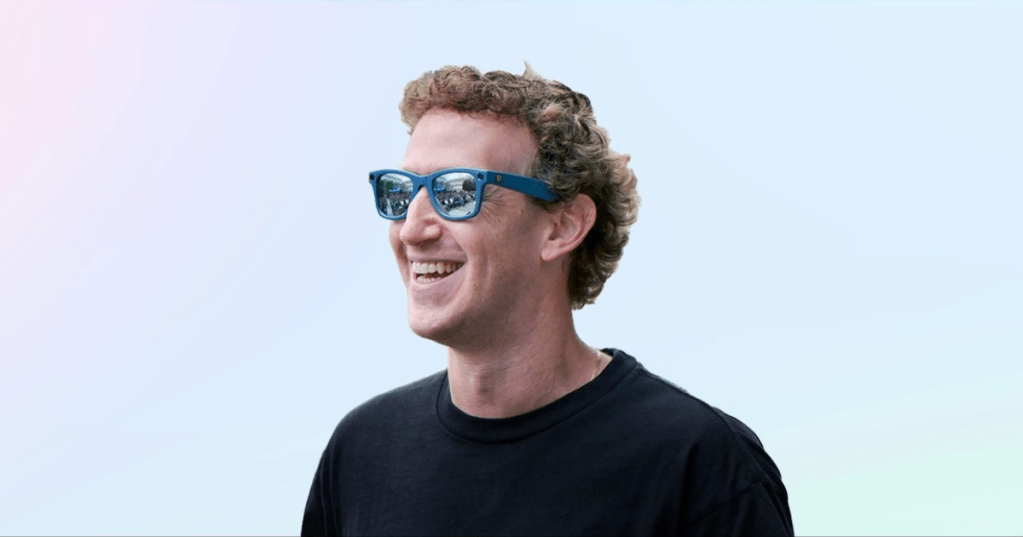
At Milan's Prada fashion week, Mark Zuckerberg's presence sparked speculation about a collaboration between Meta and Prada to launch AI-enhanced glasses.

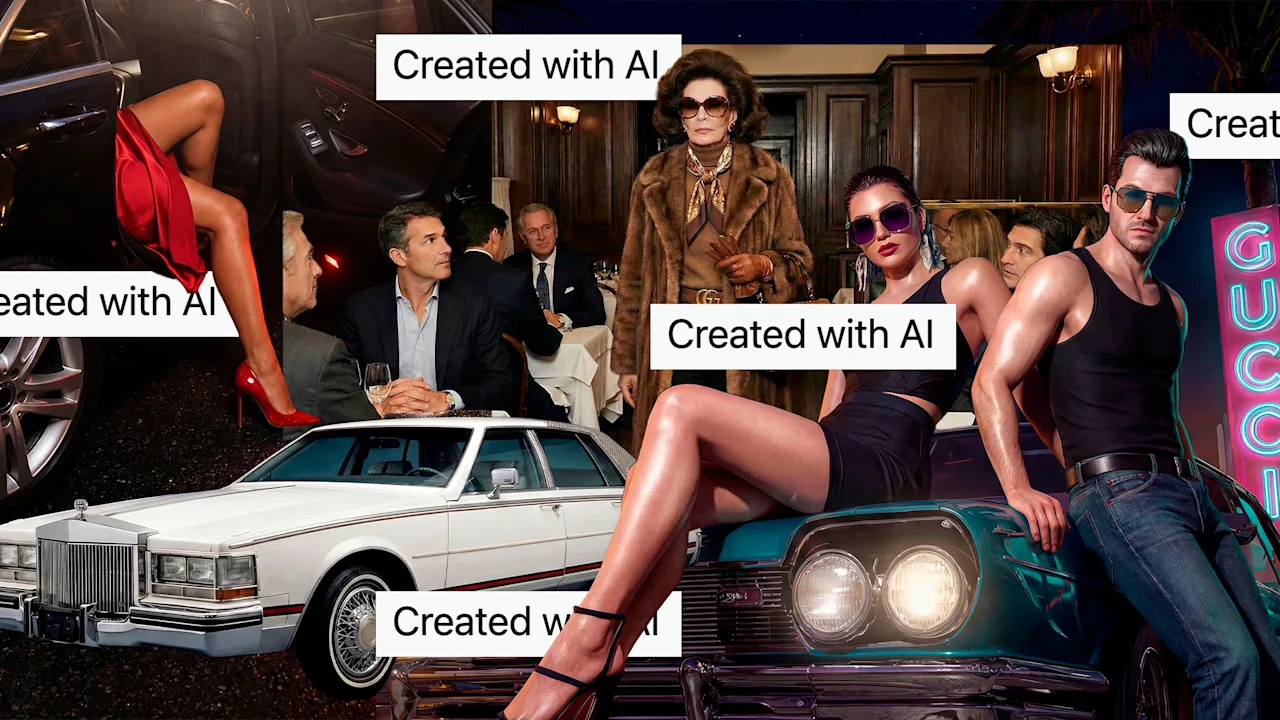
Luxury brands are defined by exclusivity, artisan craftsmanship, and premium pricing. Gucci’s recent use of AI-generated images for its Primavera Fashion Show advertising, however, has sparked criticism. The AI ads featured surreal, computer-created images that disappointed many fashion enthusiasts who expect traditional, high-quality craftsmanship in every aspect of the brand—including its marketing.
While AI can be cost-effective compared to traditional photo shoots, many consumers feel it undermines Gucci’s luxury identity. Online reactions ranged from disappointment to outright rejection, suggesting that luxury consumers expect a higher standard that AI-generated content fails to meet. This backlash highlights the risk luxury brands face when trying to cut corners in their advertising efforts.
When exploring the Hermès website for scarves or handbags, noticing the playful creatures gently floating across the screen offers a delightful digital experience, blending creativity with technology.

Louis Vuitton’s Monogram, a symbol that has matured gracefully over the decades, is celebrating nearly 130 years. The luxury fashion house has unveiled a short visual montage highlighting the journey of the Monogram from a practical design to a globally recognized emblem of luxury. This milestone underscores the Monogram’s unique ability to evolve without losing its iconic status, marking it as one of the most enduring symbols in fashion.
