In rapidly growing markets, founders who prioritize control and long-term stability over sheer speed gain the most lasting advantage.


Several AI startup founders are adopting an inventive valuation approach, allowing them to create the impression of unicorn status by selling equity at two distinct price points.


Founder-CEOs have a unique role in driving change within their organizations, making it critical for them to lead change management efforts rather than delegating this responsibility to HR. This approach ensures alignment, vision, and ownership at the highest level, which are essential to successfully navigating transformation.


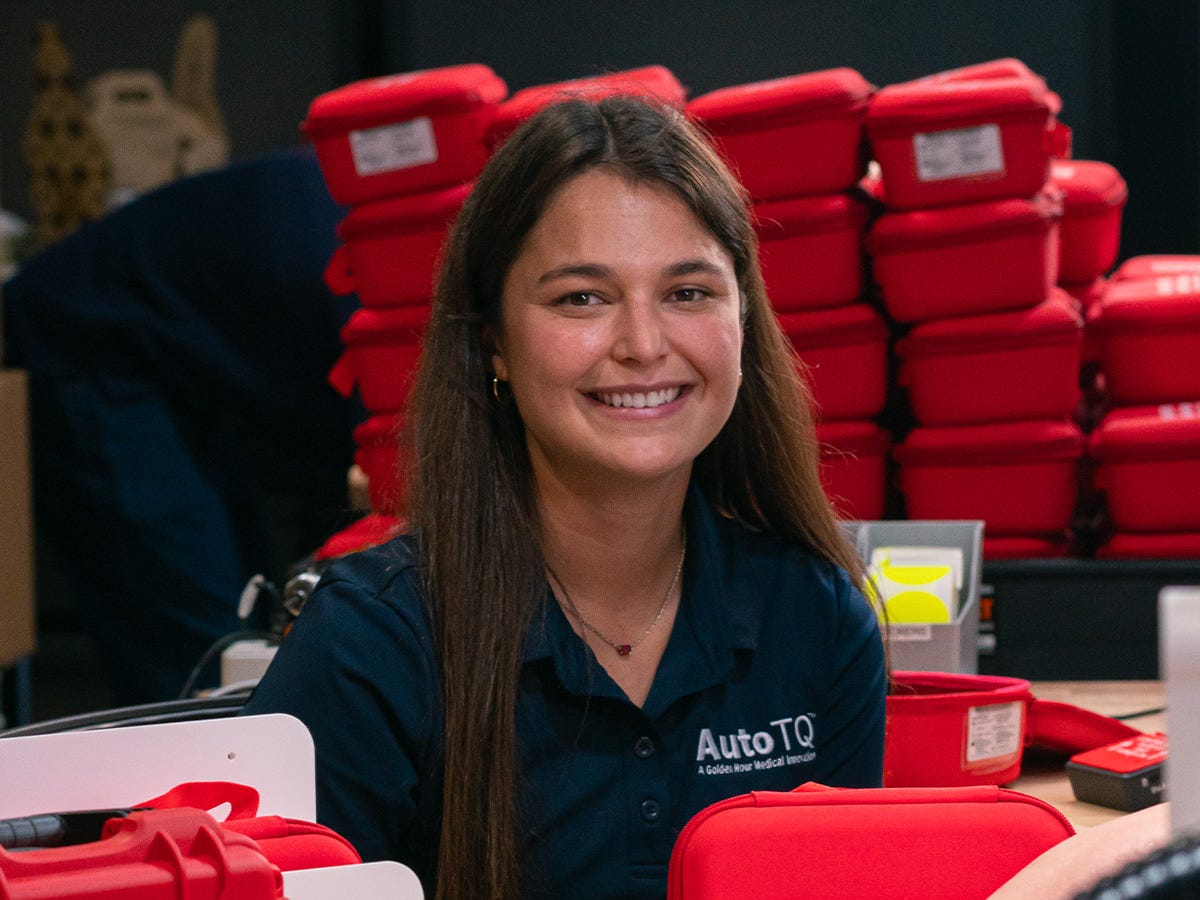
AutoTQ is an innovative automatic tourniquet designed to empower bystanders to quickly control bleeding in emergencies. Golden Hour Medical is advancing trauma care by promoting workplace safety and integrating these life-saving kits in various environments. The product's success has been fueled by word-of-mouth, having already sold hundreds of kits.
The days of a uniform strategy for international growth are behind us. Discover how dynamic companies succeed by adapting quickly and thoughtfully in diverse markets.

A guide for entrepreneurs aiming to expand their businesses profitably while making a tangible and positive impact in their communities and industries.


Venture studios, pioneered by organizations like Google, present a structured and methodical approach to in-house venture creation. These studios bring together ideas, talent, and resources to launch and nurture multiple ventures simultaneously, offering a distinct alternative to traditional corporate venture capital and accelerators by allowing corporations to act as cofounders from inception. Yet, they demand significant resources and face unique challenges including high capital needs, potential founder resistance due to equity stakes, and vulnerability to organizational priorities and governance changes. Successful venture studios leverage one or more core resources—talent, intellectual property, or unique market insights—and require strong governance, leadership commitment, and the ability to blend internal and external assets effectively. Cases like Google X’s Waymo, Philips’s HighTechXL, and Standard Chartered’s SC Ventures illustrate diverse motivations and strategies behind venture studios, ranging from addressing strategic gaps to exploiting proprietary resources. For such studios to thrive, organizations must undertake a rigorous assessment of their strategic fit and resource capabilities, commit to long-term investment, and embrace governance models that facilitate rapid experimentation and decision-making, ultimately fostering innovation and long-term organizational renewal.

Leaders aiming to harness innovation often turn to external hires to inject fresh knowledge into their organizations. However, recent studies reveal that bringing in talent from outside doesn’t guarantee effective knowledge absorption. Here are three essential insights to help organizations fully leverage their new hires' expertise:
-
The existing organizational knowledge framework impacts learning success. Companies with deeply interconnected processes often face challenges in integrating external knowledge. Employees may resist abandoning familiar methods, and in complex environments, aggressive hiring may confuse rather than clarify, especially when conflicting inputs come from multiple new hires. Leaders should be cautious about rapid hiring in such contexts.
-
Generalists play a pivotal role in spreading new knowledge. Talented outsiders' expertise stays isolated unless the organization has versatile employees who can connect different technological areas. Such generalists are invaluable when exploring new technological domains. Before expanding external recruitment, leaders should ensure enough generalists exist to bridge new knowledge across teams.
-
Hiring entrepreneurs can drive innovation if empowered properly. Former startup founders bring unique skills but deliver the most value when placed in middle-management roles with genuine decision-making power. This approach works best in smaller, younger companies already engaged in innovation. Leaders should offer these entrepreneurs autonomy and cross-functional influence to unlock their full potential.

Venture capital can be a powerful growth catalyst, but seeking it prematurely often means sacrificing control and equity in your startup.

Age shouldn't be a barrier to entrepreneurship. Your unique life experiences could be the key ingredient your new business needs to thrive.