In an interview with TechCrunch, Crunchbase’s head of research Gené Teare highlighted that despite Black founders securing the highest quarterly funding since 2022, they still face significant obstacles. The key barriers include limited access to important networks, relationships, and early-stage introductions essential for growth and investment.


The greatest threat to any business is complacency and resistance to change. Entrepreneurs must continuously evolve to stay competitive in a rapidly transforming landscape shaped by AI and disruption.

Delve, a compliance-focused startup, has ended its partnership with the renowned accelerator Y Combinator following recent controversies surrounding the company. This development highlights the challenges startups may face in maintaining support from key industry players amid public scrutiny.


You’re no longer just giving commands; you’re assigning tasks. ChatGPT’s new internet browser enables solo entrepreneurs to automate and manage up to 80% of their business operations by delegating tasks effectively, freeing up time to focus on growth and strategy.
Discover a powerful yet overlooked lesson in leadership inspired by Steve Jobs' remarkable success.


Legora, a startup based in Stockholm, has rapidly grown from a small operation with about $1 million in annual recurring revenue to surpassing $100 million in ARR within 18 months. This achievement is notable in the enterprise software sector, where such growth usually takes several years. The company's CEO, Max Junestrand, who is 26 years old, shared this milestone with Business Insider, highlighting Legora's swift expansion and success.
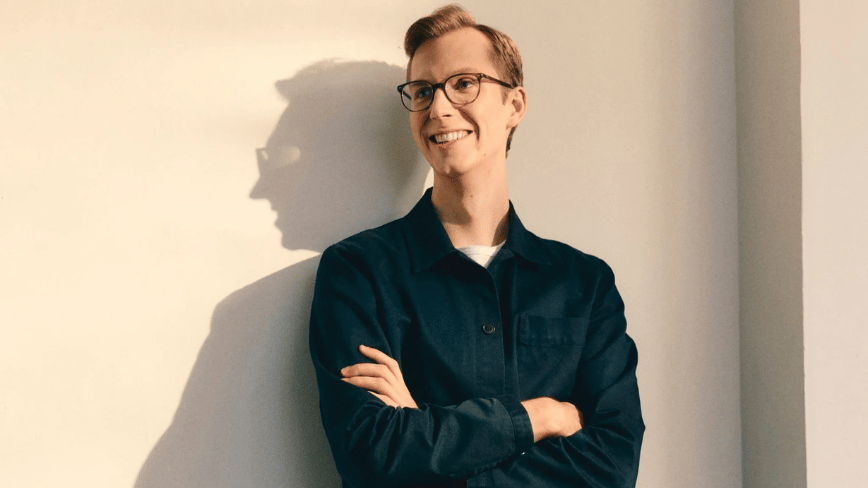
In the latest episode of Inc.'s Your Next Move series, menswear entrepreneur Todd Snyder shares insights on how he expanded his namesake brand from a modest t-shirt side hustle into a flourishing fashion empire.


In a recent public dispute with the Pentagon, Anthropic CEO Dario Amodei emphasized that AI should never be used to make lethal decisions without human involvement. While AI is powerful, it cannot handle unforeseen, chaotic real-world scenarios—a lesson that holds true in warfare and everyday life alike. Recently, organizations are grappling with AI’s limitations in real-world reliability, usability, and impact. AI excels in generating ideas and executing well-defined tasks, but the integration and dependable delivery of these tasks within existing systems still demand human expertise, judgment, and ongoing adjustments. Jobs requiring physical presence and unpredictable decision-making, like cooks and lifeguards, remain less susceptible to automation. Companies struggle to design infrastructure that supports an evolving partnership between AI and humans. Despite increasing automation, humans remain indispensable, compressing their interventions into more precise, impactful moments that improve over time through continuous learning loops. This evolving interaction reshapes human roles rather than making them obsolete, requiring adaptable systems and new frameworks that improve with each AI-human handoff. The true challenge is not just building better AI models but creating dynamic collaboration loops that enhance reliability and evolve alongside AI capabilities, a concept Duckbill has been pioneering in real-world tasks and transactions.

Succession planning remains a significant hurdle for entrepreneurs, even though modern resources provide more solutions than ever before.

Julian Metcalfe created two internationally recognized food brands by applying four key principles that many entrepreneurs often ignore.