


By Louis Blankemeier
In October 2024, my co-founders and I embarked on a mission to translate our Ph.D. research into tangible healthcare solutions. We developed AI models capable of interpreting medical images such as X-rays and CT scans across thousands of potential diagnoses, creating comprehensive radiology reports that mirror radiologists’ clinical reasoning. This represented a major leap at a time when AI in radiology only flagged a few specific conditions.
Less than a year later, we faced a critical decision: continue raising venture capital and advance independently or accept an acquisition from Radiology Partners, the largest radiology practice worldwide. Contrary to the tech norm emphasizing independence, we chose collaboration to significantly boost our chances of transforming healthcare access.
Clinical AI faces complex regulatory hurdles, long sales cycles, and challenging market dynamics that favor well-established players. Joining forces with a major industry player offered resources, extensive data, and clinical integration required to develop reliable, scalable models. Research-scale successes do not guarantee clinical readiness; real-world radiology demands massive, diverse datasets and continuous performance monitoring to handle complex, high-stakes cases.
Moreover, sustainable success in healthcare AI hinges on rigorous evidence from large-scale implementation across diverse populations and environments, not small pilots. Partnering with Radiology Partners provided the infrastructure and credibility essential for trust and adoption, accelerating our mission to expand access to high-quality healthcare worldwide.
Louis Blankemeier is CEO and co-founder of Cognita, part of Radiology Partners. His work bridges AI research and clinical application, driven to improve healthcare accessibility through technology.


The most challenging phase in a founder's journey is learning to delegate and manage a team effectively rather than doing everything themselves.


Unconventional Ventures (UV) has successfully completed the second closing of Fund II amid a tough global economic environment characterized by uncertainty and restricted capital availability. This milestone underscores UV's dedication to backing founders who are often overlooked by traditional investors, aiming to provide support and resources where they are most needed.
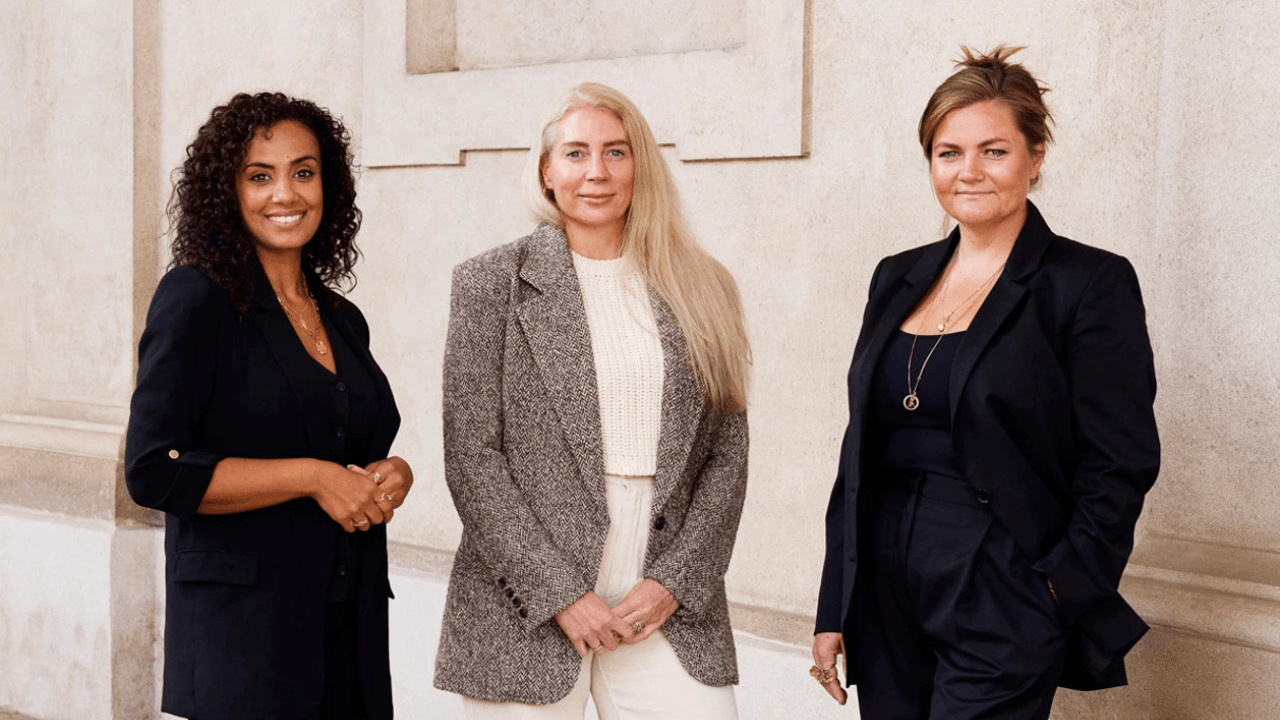

Slash, a vertical banking platform founded by two college dropouts, has secured $100 million in Series C funding led by Khosla Ventures and Ribbit Capital. The San Francisco-based fintech's valuation has nearly quadrupled since its May 2025 Series B round, marking a remarkable comeback after a sudden collapse of its initial market. This latest funding round highlights the company's successful pivot and strong growth trajectory in the fintech space.

Elizabeta Gjorgievska Joshevski's professional journey spans continents and leadership roles, with a deep focus on the intersection of technology and business results. As the founder and CEO of EverCognitive, she navigates an evolving AI landscape, helping enterprises define and implement AI strategies that drive real-world impact.


The 2026 blockbuster, "Project Hail Mary," delivers a powerful message that resonates with the aspirations and challenges faced by today’s new generation of entrepreneurs, reviving lessons that have long been needed.


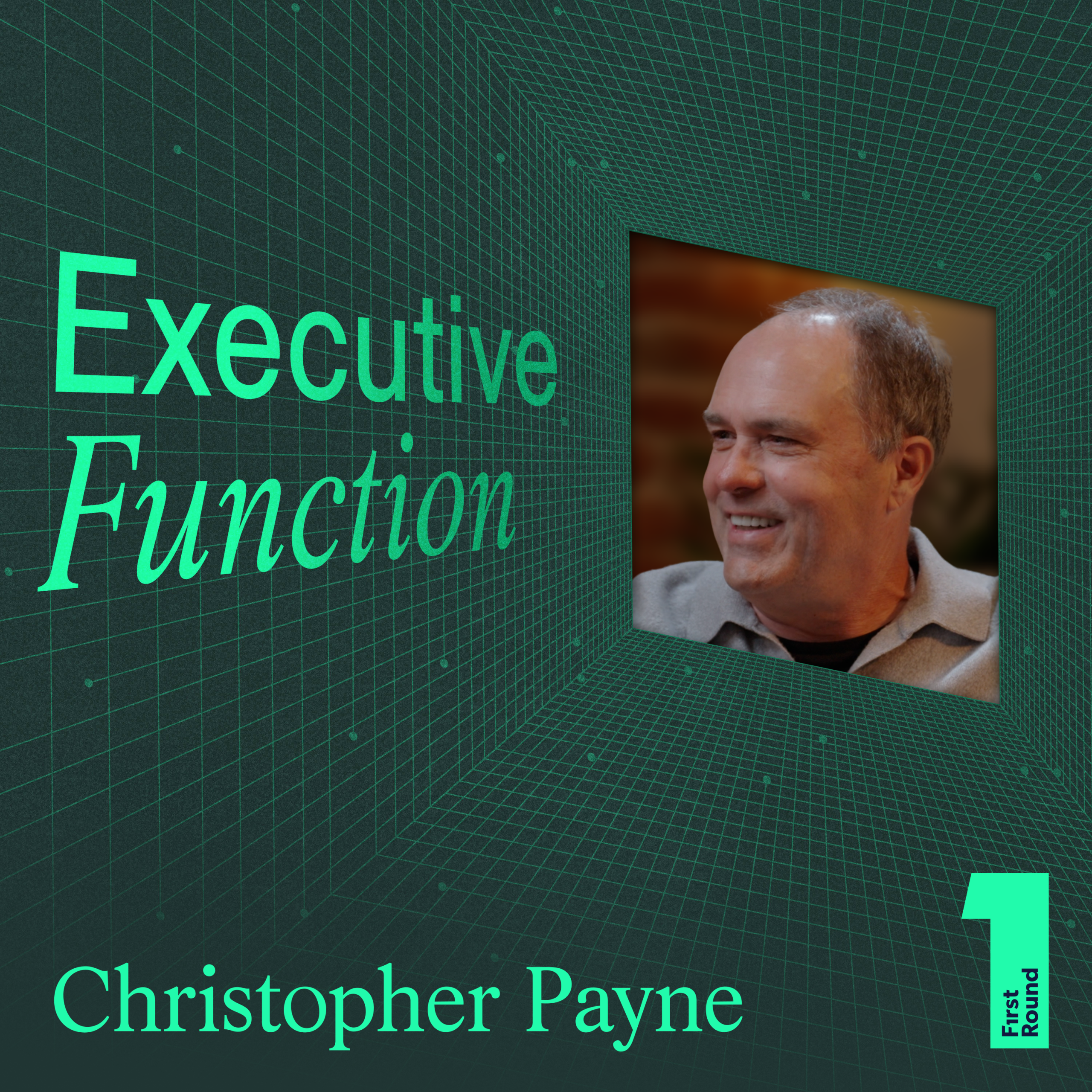
In this episode of Executive Function, Brett interviews Christopher Payne, former President and COO of DoorDash. Christopher shares insights from his decade-long journey scaling DoorDash from a startup with about 70 employees to the leading food delivery platform in the United States. Prior to DoorDash, he held key operational positions at Amazon, bringing valuable experience to his leadership role.

"Founder mode" often highlights speed, control, and relentless activity. While this hands-on style is crucial during a startup's early days, experts warn that beyond initial growth phases, it becomes challenging to sustain without burning out. Industry leaders share twelve practical approaches to managing energy, delegating effectively, and staying aligned with core priorities. These include making space for strategic thinking, shifting gears deliberately to balance momentum with stability, toggling between founder and CEO modes, and cultivating an ownership culture. Successful founders learn to say no to unsustainable demands, evolve from bottlenecks to team builders, maintain close ties with product and market, and resist the trap of manufactured urgency. Moreover, they build systems to prevent burnout and know when to hand over leadership to managers as their companies mature. The consensus is clear: the intensity of founder mode must be balanced with pauses, structure, and empowerment to foster long-term business resilience and growth.

Respecting a family legacy is about growth, not just preservation.


Many AI startups emerge because foundational AI models have yet to penetrate their specific niches. However, as industry insiders often joke, this period of opportunity won't be available indefinitely.
