


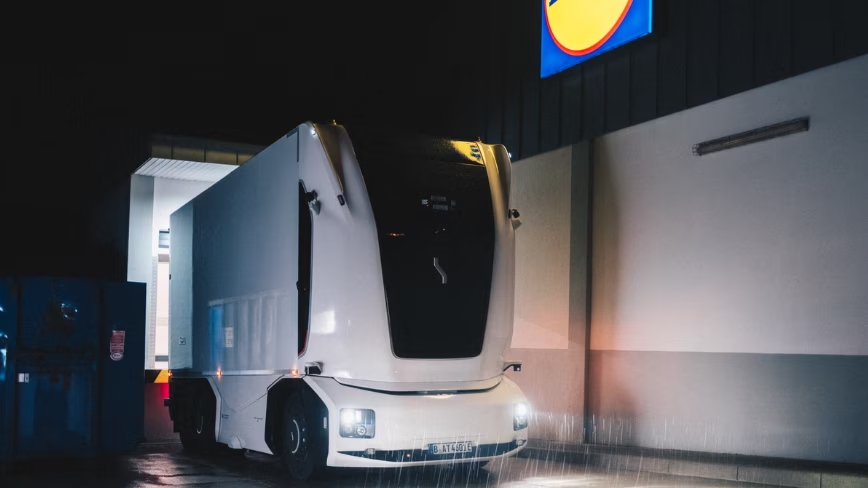
Lidl has introduced Einride’s cab-less Level 4 electric truck into regular service between one of its logistics centers and a nearby store in Germany. This operation is enabled by a unique permit from the federal transport authority, marking a significant milestone for autonomous vehicle deployment. The route is under a mile long and the permit is valid nationwide but does not cover cross-border travel within Europe.

Massachusetts has imposed new clean energy regulations on data center construction, becoming the third state in recent months to introduce such restrictions. These measures aim to ensure data centers adopt more sustainable power sources amid growing environmental concerns.

Google Research together with NASA's Jet Propulsion Laboratory has introduced a new deep learning AI model capable of mapping methane emissions around the world with remarkable detail—down to 60 meters. This advanced technology has revealed approximately 50% more methane plumes than traditional human analysis, identifying 23,000 additional sources, including 24 of the 25 largest landfills known for emissions. This development comes as Europe's Methane Regulation mandates satellite monitoring and super-emitter alerts, although current coverage remains limited.


Critical infrastructure like water systems, electrical grids, and search engines plays an essential role in daily life. People expect such systems to be reliable, secure, and designed to safeguard public well-being. Recent failures—from Flint’s water crisis to Puerto Rico’s power outage—highlight the broad impacts when these systems falter. Digital infrastructure, including search engines and social media, is now equally critical, shaping information access and communication. However, these platforms often prioritize commercial interests over transparency or user well-being, leading to misinformation and exploitation. Just as public health standards govern food safety, digital platforms should also be held accountable through transparency and safeguards to protect users. Designing digital infrastructure with human-centered principles and regulatory oversight can mitigate risks like misinformation, privacy abuses, and online predation. Embracing such an approach will ensure these evolving technologies promote societal welfare and help people thrive in a connected world.

Tata Consultancy Services' HyperVault unit, along with its partners, has committed 700 billion rupees (approximately $7.4 billion) to build a one-gigawatt AI data center campus in Hyderabad. The project will emphasize sustainability, incorporating green energy and water-neutral design to minimize environmental impact. In line with European Union regulations, any data center exceeding 500kW must report its total and drinking water consumption to an EU database.


The 2026 IPO season has seen remarkable activity, led by SpaceX's record-breaking Nasdaq debut raising $86 billion. While the public-market window is closing, a select group of venture-backed startups remain poised for IPOs in the coming months. Crunchbase's predictive intelligence highlights eight diverse companies—including leaders in AI, fintech, crypto, and climate tech—with a strong likelihood of going public within six months. Anthropic, the world's most valuable private venture startup, might take a slightly longer timeline, but remains a key player to watch. Other notable candidates include Oura, Notion, Kraken, SambaNova, Stegra, Stripe, and OpenEvidence, each positioned to make significant market impacts with upcoming listings or plans. This evolving IPO landscape reflects increased investor appetite and strategic moves by private companies to capitalize on public markets in 2026.


John Pearson, CEO of DHL Express since 2019 and a seasoned leader with over three decades at the company, shares insights on how DHL’s corporate purpose "Connecting people, improving lives" drives its culture and performance. At DHL, the approach to excellence begins with people — engaging motivated employees to foster a great work environment. Purpose is fundamental; it defines why employees come to work daily and shapes the company’s impact globally. DHL’s purpose has two facets: the daily mission of connecting people and businesses worldwide, and empowering employees through volunteer programs like GoTeach and GoHelp that generate social impact. This dual focus especially resonates with younger employees who seek meaningful engagement beyond routine work. To embed purpose in leadership, DHL incorporates it into self-assessments for managers, promoting reflection on their contribution to the company’s mission. Pearson emphasizes leveraging company assets, such as its global logistics network, to live its purpose — exemplified by initiatives like the GARD program, which prepares airports worldwide for disaster response in partnership with the U.N. This strategic use of resources highlights how purpose can translate into impactful action.


Years after Paul Newman's passing, the brand’s new Chief Marketing Officer is focusing on highlighting its commitment to quality ingredients and charitable contributions as a way to engage millennial consumers.

We live on a planet covered mostly by water, yet only a tiny fraction of it is usable fresh water—about 0.5%. Growing global demand, population increases, pollution, and climate change are straining this vital resource, making water scarcity and quality urgent concerns for companies and communities alike.
Many businesses currently treat water as a basic utility rather than a strategic asset. This mindset is increasingly risky as droughts, pollution, and regulatory pressures mount globally. Water-intensive industries such as AI data centers, green hydrogen production, mining for critical minerals, food and beverage, and textiles are facing growing challenges. Even smaller businesses and sectors like construction, healthcare, and tourism cannot afford to ignore water risks.
Effective water management requires understanding complex local water cycles and dependencies along supply chains. Uniform policies are insufficient; companies must empower site managers with localized risk assessments and stakeholder engagement.
Strategic responses include shifting water from a utility expense to a priority managed cross-functionally, leveraging tools and standards like the CEO Water Mandate and Aqueduct, investing in efficiency and recycling technologies, and contributing to water source replenishment efforts. Ignoring water’s strategic importance heightens risks to health, economic stability, and corporate resilience.

Tesla plans to establish a large-scale solar panel factory in Texas with an estimated investment of $10 billion. However, the electric carmaker is requesting financial assistance from the state to help offset the construction and operational costs.
