Kevin O’Leary, known for Shark Tank, aims to create a $100 billion AI data center in Utah, promising 10,000 new jobs. However, local residents worry the project could severely impact the Great Salt Lake through high water consumption, increased emissions, and toxic dust risks.


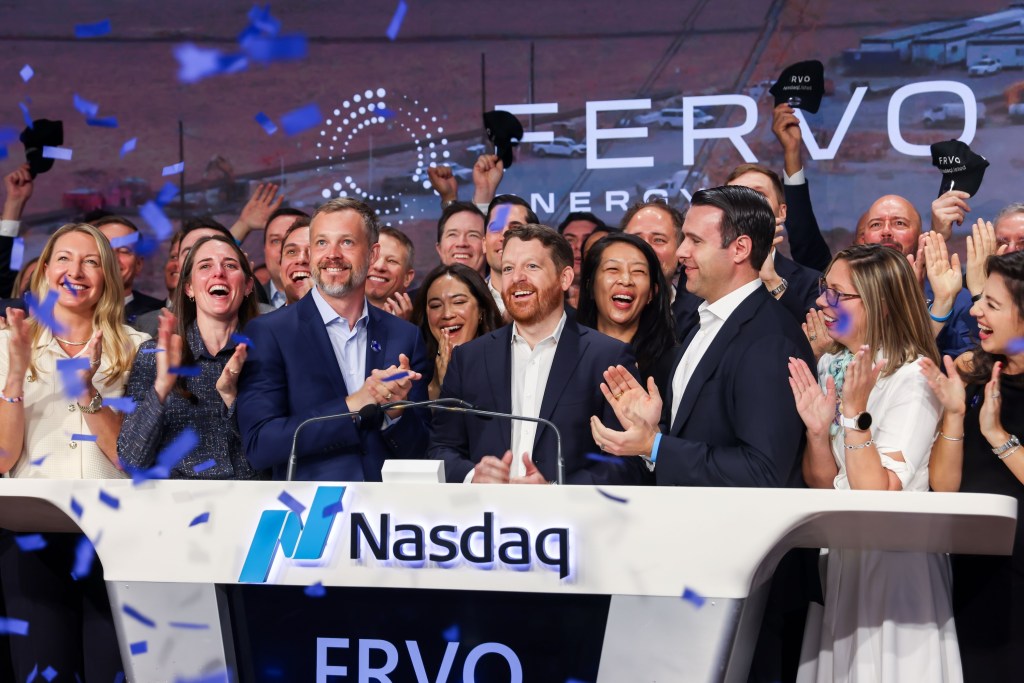
Fervo Energy, a geothermal power developer backed by Bill Gates, has increased its IPO target to $1.82 billion. The company raised its share count by 26% and the top-end price by roughly 8%, as disclosed in a recent SEC filing. This adjustment reflects strong investor interest driven by demand for reliable, clean baseload energy, particularly from AI data center customers.


Fervo Energy, a pioneer in enhanced geothermal technology, saw its IPO demand surge, prompting multiple increases in fundraising. Investors were eager, questioning why the company hadn't raised a larger sum initially, reflecting strong confidence in the sector fueled by AI data center expansion.
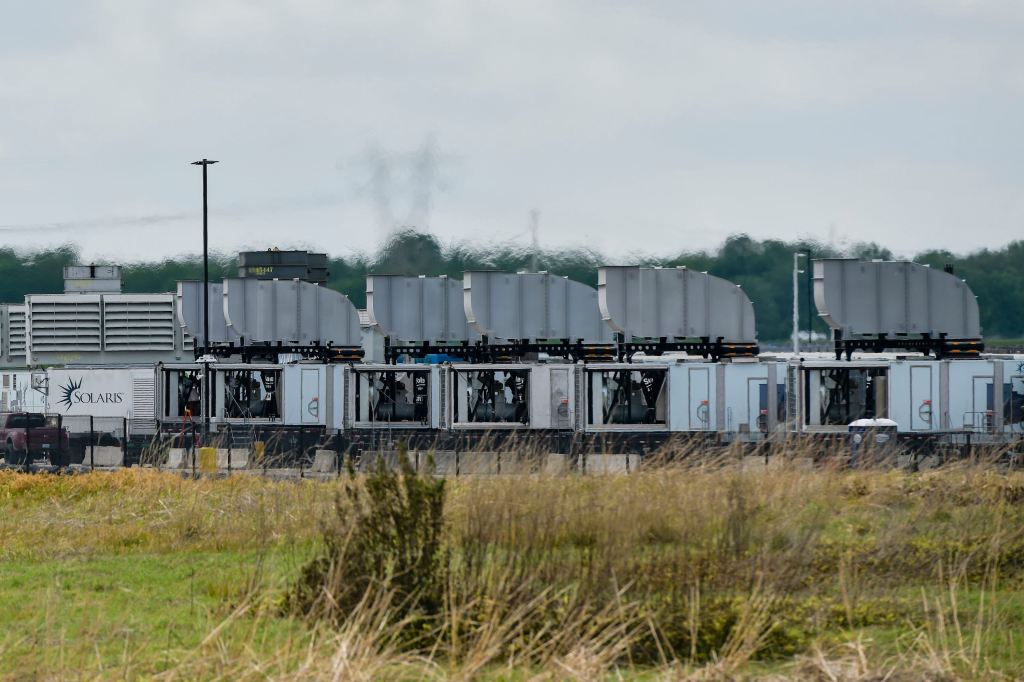
The Colossus 2 data center operated by xAI in Mississippi is facing legal action due to its deployment of nearly 50 mobile gas turbines functioning as power plants without proper oversight. The lawsuit raises concerns about the unmonitored operation of these turbines, which are critical to the facility's energy supply but may pose environmental and regulatory issues.
Honda has abandoned its ambitious goal to go all-electric by 2040, choosing instead to refocus on hybrid gasoline-electric technology—a move that marks a significant shift from its previous plans and signals a pause in the EV race for the Japanese automaker.


This monthly roundup highlights five noteworthy startup funding deals that may have slipped past the spotlight recently. While AI and software continue to dominate venture funding, many notable companies are innovating in tangible, real-world sectors away from traditional tech hubs. These include: Firestorm Labs, which secured $82 million to develop modular manufacturing systems for military fronts; Manifest OS, a legal tech startup raising $60 million to build an AI-driven operating system for outcome-based law firms; ROSI, obtaining $23 million to tackle large-scale solar panel recycling in Europe; Opalia, a cell-based milk producer raising $2.3 million to serve the dairy supply chain; and C-Infinity, with $16 million to automate manufacturing process planning using AI.
These deals represent growing investor interest across physical tech innovations, legal AI applications, sustainability efforts, alternative food production, and manufacturing automation, emphasizing a shift toward integrating technology closely with traditional industries and real-world challenges.


The rapid advancement of AI, especially generative AI, poses significant uncertainty about the future of entry-level white-collar jobs, with a large portion potentially disappearing soon. Industry leaders like Dario Amodei of Anthropic predict major reductions in hiring, while companies like Goldman Sachs are already cutting thousands of jobs each month. Former Google CEO Eric Schmidt raises concerns about AI's unpredictable capabilities and suggests extreme caution, even recommending halting AI development if necessary. This situation presents a dilemma where executives, insulated by their status, prioritize short-term profits and shareholder value, overlooking long-term societal impacts and the essential role of nurturing new talent. Drawing parallels to the sluggish corporate response to climate change, the author argues for a shift in corporate strategy to maintain jobs and invest in human capital rather than relying excessively on AI-driven automation. Companies that retain and develop their workforce may gain a competitive advantage in the future. The piece calls for thoughtful business decisions and policy intervention to manage AI's disruptive effects responsibly, emphasizing the importance of balancing innovation with collective well-being and sustainable economic growth.

B2B sales in the industrial equipment sector is fiercely competitive, requiring vendors to offer tailored value-based solutions that demonstrate clear benefits to customers. However, many companies struggle to scale these solutions beyond pilot projects. Industrial equipment manufacturers (IEMs) face challenges such as heightened competition and growing environmental regulations, pushing them towards value-based models that deliver profitability and sustainability. Successful value-based solutions are customized integrations of products, services, and digital technologies designed to improve operational efficiency and reduce environmental impact. Our extensive research involving 157 interviews and case studies of major global manufacturers and their ecosystems reveals that while initiating value-based solutions is feasible, scaling requires developing specific capabilities across two phases: establishing a strong strategic foundation and executing at scale through ecosystem management, financial viability, and market expansion. Key hurdles include aligning the value proposition with customer expectations, modularizing solutions efficiently, managing partner ecosystems, innovating revenue models, and adapting delivery organizations. Companies that methodically address these practices are better positioned to scale solutions profitably while meeting customer needs and regulatory demands.


AI data centers require massive amounts of electricity, far beyond what clean energy sources can currently provide at scale. As a result, major tech companies are exploring nuclear power as a reliable alternative to meet these soaring demands. This shift could have significant implications for energy policy and the future of technology in America.

Elon Musk's xAI division has pivoted toward natural gas, while SpaceX is channeling efforts into developing orbital data centers. This marks a significant change from Musk's earlier vision of a 'solar-electric economy.' What led to this shift away from solar energy?